“This post contains affiliate links. As an Amazon Associate, I earn from qualifying purchases”
If you’re thinking about how to raise chickens at home, you’re in for a rewarding experience! Raising chickens can be fun and fulfilling, providing you with fresh eggs and a unique hobby. This guide will walk you through everything you need to know, from starting your flock to caring for your feathery friends. Whether you’re a complete beginner or just looking to brush up on your chicken-raising skills, this guide has got you covered.
Key Takeaways
- Start with either hatching eggs, chicks, or adult hens based on your comfort level.
- Always source your chickens from trusted suppliers to avoid health issues.
- Ensure you have the right supplies, including a coop, feeders, and health supplies.
- Understand chicken behavior to provide better care and maintain a happy flock.
- Regularly check your chickens’ health and maintain biosecurity to prevent disease.
Starting Your Backyard Chicken Flock
So, you’re thinking about getting chickens? Awesome! It’s a really rewarding experience. But before you rush out and buy a bunch of chicks, there are a few things you should consider. Let’s get into it.
Choosing Between Hatching Eggs, Chicks, or Hens
Okay, first things first: how do you want to start your flock? You’ve got three main options: hatching eggs, buying baby chicks, or getting older hens that are already laying. Each has its pros and cons.
- Hatching Eggs: This is the most involved option. You’ll need an incubator and a brooder, and you’ll have to wait for the eggs to hatch (about 21 days). It’s super cool to watch, but it requires patience and a bit of know-how. Plus, you won’t know the sex of the chicks until they’re older, so you might end up with more roosters than you bargained for.
- Baby Chicks: This is a popular choice for beginners. You can buy chicks from a hatchery or a local farm supply store. They’re adorable, but they need special care, including a heat lamp and chick starter feed. You’ll also have to wait several months for them to start laying eggs.
- Hens: If you want eggs right away, getting older hens is the way to go. You can often find them for sale on local classifieds or at farm swaps. The downside is that they might take some time to adjust to their new home, and you won’t have as much time to bond with them.
Starting with chicks is often recommended for beginners because you get to raise them from a young age and get them accustomed to you. However, older hens will give you eggs sooner, so it really depends on your priorities.
Finding Reputable Sources for Chickens
Where you get your chickens is super important. You want to make sure they’re healthy and come from a good environment. Here are a few options:
- Hatcheries: Large hatcheries offer a wide variety of breeds and ship chicks directly to your door. Do some research to find a reputable hatchery with good reviews.
- Local Breeders: Buying from a local breeder can be a great way to support your community and get chickens that are well-suited to your climate. Ask around at local feed stores or check online classifieds.
- Farm Supply Stores: Many farm supply stores sell chicks in the spring. These are usually from large hatcheries, but it’s a convenient option if you don’t want to order online.
Selecting Breeds Based on Temperament and Purpose
Not all chickens are created equal! Different breeds have different temperaments, egg-laying abilities, and appearances. Think about what you want from your flock before you choose a breed.
| Breed | Egg Color | Egg Production | Temperament | Notes |
|---|---|---|---|---|
| Rhode Island Red | Brown | High | Docile | Great for beginners, good egg layers |
| Leghorn | White | High | Active | Can be flighty, prolific layers |
| Orpington | Brown | Medium | Friendly | Good for families, dual-purpose (meat and eggs) |
| Easter Egger | Varies | Medium | Docile | Lays blue or green eggs, good for beginners |
| Silkie | Cream | Low | Very Docile | Great pets, not great egg layers, require special care due to feathers |
Consider your climate, space, and goals when selecting breeds. For example, if you live in a cold climate, choose cold-hardy breeds like Rhode Island Reds or Orpingtons. If you have limited space, consider smaller breeds like bantams. And if you want lots of eggs, choose high-producing breeds like Leghorns or Rhode Island Reds.
Essential Supplies for Raising Chickens
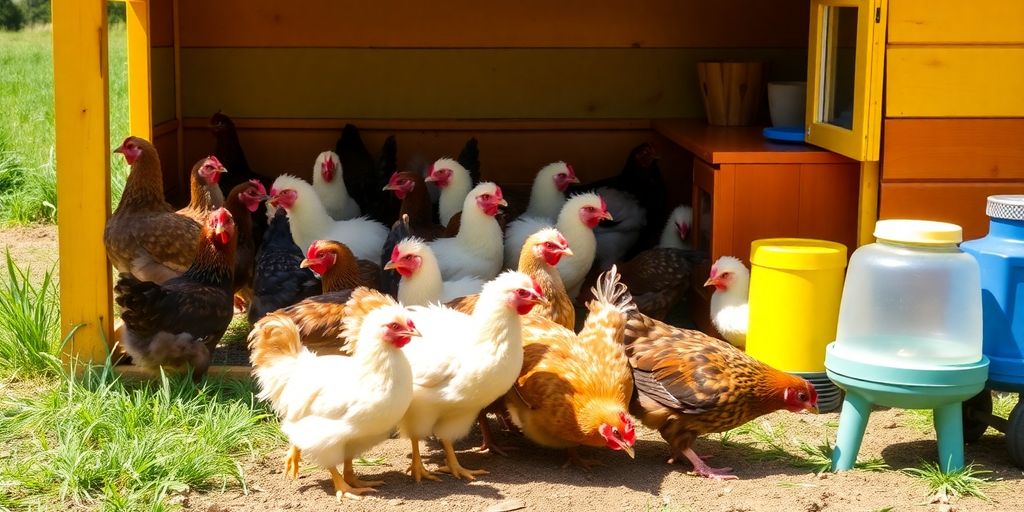
Raising chickens requires more than just a coop and some feed. You need to think about their daily needs, health, and safety. Getting the right supplies from the start will make your life easier and keep your flock happy and healthy.
Coop Requirements and Design
Your coop is more than just a house; it’s a safe haven for your chickens. It needs to protect them from the elements and predators. Here’s what to consider:
- Size: Make sure you have enough space. A good rule of thumb is at least 4 square feet per chicken inside the coop and 8-10 square feet in the chicken run. Overcrowding leads to stress and disease.
- Roosting Bars: Chickens like to sleep off the ground. Provide roosting bars that are easy to grip and high enough off the ground.
- Nesting Boxes: You’ll need one nesting box for every 3-4 hens. Keep them dark, quiet, and filled with clean bedding like straw or wood shavings.
Think about the location of your coop. It should be in a well-drained area, away from standing water. Consider sunlight exposure, too. Some shade in the summer is good, but chickens also need sunlight, especially in the winter.
Feeding and Watering Essentials
Proper feeding and watering are key to healthy chickens. Here’s what you’ll need:
- Feeders: Choose a feeder that minimizes waste and keeps the feed dry. There are many types available, from simple troughs to automatic feeders.
- Waterers: Just like feeders, waterers should be easy to clean and keep the water fresh. Nipple waterers are a good option because they prevent chickens from soiling the water.
- Feed: Start with a chick starter feed if you’re raising chicks. As they grow, switch to a grower feed and then a layer feed once they start laying eggs. Always provide fresh, clean feed.
Health and Safety Supplies
Keeping your chickens healthy requires some basic supplies. It’s better to be prepared than to scramble when a problem arises.
- First Aid Kit: Include items like antiseptic spray, wound care ointment, bandages, and tweezers. A good first aid kit can handle minor injuries.
- Electrolyte and Probiotic Supplements: These can help chickens recover from stress or illness. Keep them on hand for emergencies.
- Parasite Control: Be prepared to deal with mites, lice, and worms. Consult with a vet or experienced chicken keeper for the best treatment options in your area.
| Supply | Purpose |
|---|---|
| Antiseptic Spray | Cleaning wounds |
| Wound Ointment | Promoting healing |
| Electrolytes | Helping with hydration during stress |
| Dewormer | Treating internal parasites |
| Mite/Lice Treatment | Controlling external parasites |
Understanding Chicken Behavior and Care
Daily Care Routines
Establishing a daily routine is key to happy and healthy chickens. It’s not just about throwing some feed out there! Think of it as setting the stage for their well-being. Here’s what my typical day looks like:
- Morning Check-In: First thing, I open the coop and check on everyone. I’m looking for any signs of illness or distress. A quick head count ensures no one’s missing.
- Feeding and Watering: I make sure their feeders are full of healthy food and their water is clean and fresh. Chickens need constant access to both, especially during hot weather.
- Coop Cleaning: I do a quick spot clean, removing any droppings from the roosting bars and replacing soiled bedding. A clean coop is a happy coop!
- Evening Tuck-In: As dusk approaches, I make sure everyone’s back in the coop and secure it for the night, protecting them from predators.
Consistency is important. Chickens thrive on routine, so try to stick to a similar schedule each day. It makes them feel secure and reduces stress.
Recognizing Signs of Illness
Catching illnesses early can make a huge difference in your flock’s health. Knowing what to look for is half the battle. Here are some common signs of illness in chickens:
- Lethargy: A chicken that’s unusually quiet, inactive, or isolating itself from the flock.
- Changes in Droppings: Diarrhea, unusual colors, or blood in the droppings can indicate a problem.
- Respiratory Issues: Coughing, sneezing, or difficulty breathing are red flags.
- Changes in Appetite or Thirst: A sudden decrease in food or water consumption.
- Abnormal Posture or Gait: Limping, drooping wings, or an inability to stand properly.
If you notice any of these signs, it’s important to isolate the affected bird and consult with a vet who specializes in poultry. Early intervention can save lives!
Social Structure and Pecking Order
Chickens have a complex social structure, often referred to as the “pecking order.” It’s all about establishing dominance within the flock. Here’s what you need to know:
- Establishing the Pecking Order: When new chickens are introduced, there’s usually a period of adjustment as they figure out their place in the hierarchy. This can involve some pecking and chasing.
- Maintaining Harmony: Once the pecking order is established, things usually settle down. However, it’s important to provide enough space and resources (food, water, roosting space) to minimize conflict.
- Intervention: Sometimes, the pecking order can become overly aggressive, leading to injuries. If you see excessive bullying, you may need to intervene by separating the aggressor or providing more space and enrichment.
| Behavior | Description be aware that chicken breeds are different and have different behaviors.
Feeding Your Chickens for Optimal Health
Choosing the Right Feed
Okay, so picking the right chicken feed can feel like a big deal, but it doesn’t have to be! The main thing is to make sure you’re giving them feed that matches their age and what they’re doing (laying eggs, growing, etc.).
- Starter Feed: This is for chicks, usually super high in protein to help them grow fast.
- Grower Feed: Once they’re a bit older, switch to grower feed. It’s still got protein, but not as much as starter.
- Layer Feed: When your hens start laying eggs, they need layer feed. It’s got extra calcium for strong eggshells. If you notice that your chickens’ egg shells are brittle, it may be time to add some calcium to their diet.
I usually just grab the layer pellets from the feed store. It takes the guesswork out of making a good blend that meets the nutritional needs of my flock.
Supplementing with Treats
Chickens love treats! But don’t go overboard. Think of treats as, well, treats – not their main meal. Too many treats can actually mess up their diet and keep them from getting the nutrients they need from their feed. Here are some ideas:
- Kitchen Scraps: Veggie scraps, fruit cores, stale bread – chickens will eat almost anything. Just avoid giving them anything moldy or rotten.
- Grains: You can give them some scratch grain blend as a treat, but remember it’s not a substitute for their regular feed.
- Bugs: Chickens love bugs! Let them forage around in the yard, and they’ll find plenty of tasty insects to eat.
Understanding Nutritional Needs
Chickens need a balanced diet to stay healthy and lay eggs. Here’s a quick rundown of what they need:
- Protein: For growth and egg production. Aim for 12-20% protein in their diet.
- Carbohydrates: For energy. They get this from grains and other plant-based foods.
- Vitamins and Minerals: For overall health. Layer feed is usually fortified with these.
Also, make sure they always have access to fresh, clean water. A reliable chicken feeder simplifies feeding, minimizes waste, and ensures proper nutrition for your flock. If you’re not sure if your chickens are getting enough nutrition, just watch them. If they’re leaving food on the ground, you can probably scale back a bit. If the ground is always bare, try giving them a little more. It’s all about finding the right balance.
Maintaining Biosecurity in Your Flock
Biosecurity is super important for keeping your chickens healthy and preventing the spread of disease. It’s not always the first thing people think about, but it can save you a lot of trouble (and heartache) down the road. A good biosecurity plan minimizes the risk of diseases entering your flock.
Importance of Quarantine for New Birds
Bringing new chickens into your existing flock can be exciting, but it also carries risks. New birds might be carrying diseases that aren’t immediately obvious. That’s why quarantine is essential. Here’s what I usually do:
- Keep new chickens separate from your existing flock for at least 30 days. This gives you time to observe them for any signs of illness.
- Use separate equipment (feeders, waterers, cleaning tools) for the quarantine area to avoid cross-contamination.
- Wear dedicated clothing and footwear when working with quarantined birds, and wash your hands thoroughly afterward.
Quarantine isn’t just about protecting your current flock; it’s also about protecting the new birds. It gives them a chance to adjust to their new environment without the added stress of interacting with other chickens, which can weaken their immune systems.
Preventing Disease Spread
Even without introducing new birds, diseases can still spread within your flock or be introduced from outside sources. Here are some ways to minimize the risk:
- Practice good hygiene: Regularly clean and disinfect your coop, feeders, and waterers. Remove manure promptly.
- Control pests: Rodents and wild birds can carry diseases. Implement measures to keep them away from your chickens and their feed.
- Limit visitors: If you have visitors who also keep chickens, ask them to wear clean footwear or provide disposable boot covers.
Regular Health Checks and Vaccinations
Regularly checking your chickens for signs of illness is crucial for early detection and treatment. Also, consider vaccinations. I found some biosecurity resources that might help.
- Observe your chickens daily for changes in behavior, appetite, or egg production.
- Look for signs of illness, such as coughing, sneezing, diarrhea, or lethargy.
- Consult with a veterinarian about appropriate vaccinations for your area and flock size.
Here’s a simple table to help you keep track of your flock’s health:
| Chicken ID | Date of Last Check | Any Symptoms? | Action Taken |
|---|---|---|---|
| Hen 1 | 2025-05-09 | None | N/A |
| Hen 2 | 2025-05-09 | Slight cough | Isolated |
| Hen 3 | 2025-05-09 | None | N/A |
Creating a Safe and Comfortable Coop Environment
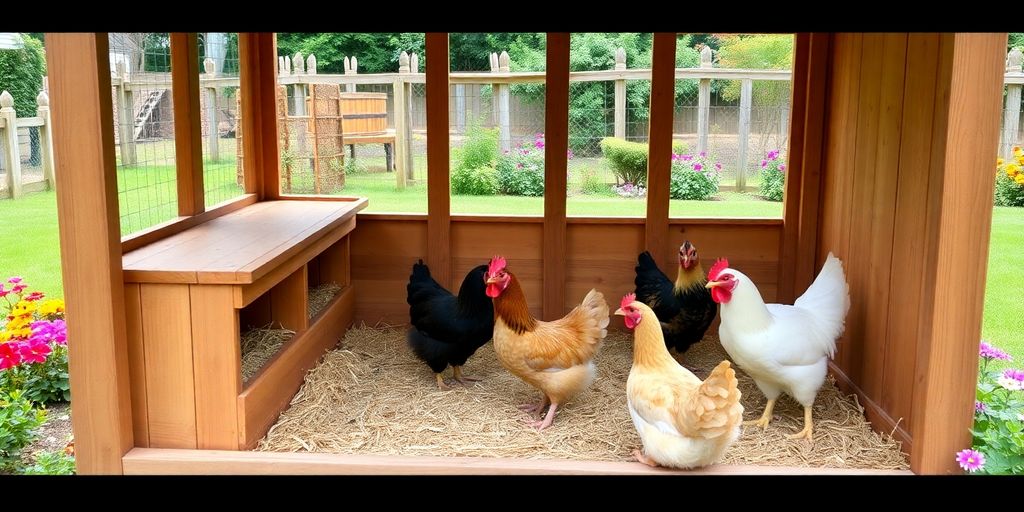
Making sure your chickens have a good coop is more than just building a structure; it’s about creating a secure and pleasant home for them. A well-designed coop protects them from weather and predators, and it also promotes their health and happiness. Let’s look at the key things to consider when setting up your chicken coop.
Ventilation and Temperature Control
Good airflow is super important in a chicken coop. It helps prevent moisture buildup, which can lead to respiratory problems. Proper ventilation keeps the coop dry and reduces the risk of ammonia buildup from droppings. You can achieve this with vents near the roof or adjustable windows. In the summer, ventilation helps keep the coop cool, while in the winter, you’ll want to minimize drafts while still allowing for some airflow. Here’s a simple guide:
- Summer: Maximize ventilation; open windows and vents fully.
- Winter: Minimize drafts; partially close vents, but ensure some airflow.
- All Seasons: Regularly check for moisture buildup and adjust ventilation as needed.
Bedding and Nesting Boxes
The right bedding makes a big difference in coop comfort. Straw, pine shavings, or hemp bedding are popular choices. They absorb moisture and provide insulation. Nesting boxes should be cozy and private, encouraging hens to lay eggs comfortably. A good rule of thumb is one nesting box for every four to five hens. Make sure to keep the bedding clean and dry to prevent the growth of bacteria and mites. Clean bedding also reduces odors and keeps your chickens healthier. You can even use old t-shirts or towels as nesting material, just make sure they are clean!
Predator Protection Strategies
Protecting your chickens from predators is a top priority. Proper fencing is a must. Foxes, raccoons, hawks, and even neighborhood dogs can pose a threat. Here are some ways to keep your flock safe:
- Secure Fencing: Use strong wire mesh with small openings to prevent animals from getting in.
- Buried Fencing: Bury the fence a foot or two deep to stop digging predators.
- Roofing: Cover the run with netting or solid roofing to protect against aerial predators.
- Secure Doors and Latches: Use latches that predators can’t easily open.
- Motion-Activated Lights: Install lights to deter nocturnal predators.
Creating a safe and comfortable coop environment is an ongoing process. Regularly inspect the coop for any signs of wear and tear, and make adjustments as needed. Your chickens will thank you for it with healthy lives and plenty of fresh eggs.
Benefits of Raising Chickens at Home
Fresh Eggs and Sustainable Living
One of the biggest draws to raising chickens is, without a doubt, the access to fresh eggs. There’s a certain satisfaction in collecting eggs from your own backyard, knowing exactly where they came from and how the chickens were raised. Plus, the taste is noticeably better than store-bought eggs! Beyond the eggs, raising chickens promotes a more sustainable lifestyle. You’re reducing your reliance on industrial agriculture and taking a step towards self-sufficiency. It’s a rewarding experience to start your backyard chicken flock and contribute to a more sustainable way of living.
Educational Opportunities for Families
Raising chickens can be a fantastic learning experience for the whole family. Kids can learn about animal care, the life cycle of chickens, and where their food comes from. It’s a hands-on way to teach responsibility and foster a connection with nature. You can even incorporate chicken care into science lessons, teaching about biology and nutrition. It’s a fun and engaging way to learn outside of the classroom.
Enhancing Your Garden with Chicken Manure
Chicken manure is a valuable resource for any gardener. It’s rich in nutrients like nitrogen, phosphorus, and potassium, which are essential for plant growth. However, it’s important to compost the manure before using it in your garden, as fresh manure can be too strong and burn plants. Composted chicken manure can be used as a soil amendment, adding organic matter and improving soil structure. It’s a natural and effective way to improve your garden and reduce your reliance on chemical fertilizers.
Raising chickens offers a unique opportunity to connect with nature, learn about sustainable living, and enjoy fresh, delicious eggs. It’s a rewarding experience that can benefit your family and your garden.
Wrapping It Up
So there you have it! Raising chickens at home can be a fun and rewarding experience. Whether you’re in it for fresh eggs or just to enjoy their quirky personalities, starting your own flock is totally doable. Remember to keep it simple at first—get the basics right, and don’t stress too much. You’ll learn as you go, and every chicken keeper has their own stories and tips to share. If you hit a bump in the road, don’t hesitate to reach out to fellow chicken enthusiasts or local groups for advice. Happy chicken raising!
Frequently Asked Questions
What do I need to start raising chickens?
To begin, you’ll need a few key items: a chicken coop for shelter, food and water containers, bedding like straw or wood shavings, and a heat source for baby chicks.
Should I get chicks, eggs, or adult hens?
Chicks are often easier to start with, but you can also buy eggs to hatch or adult hens if you want eggs right away.
How much space do chickens need?
Chickens need enough space to roam and be comfortable. A good rule is at least 4 square feet per chicken in the coop and 10 square feet in an outdoor run.
What do chickens eat?
Chickens mainly eat commercial feed that provides balanced nutrition. You can also give them kitchen scraps and treats like fruits and vegetables.
How do I keep my chickens healthy?
Regularly check your chickens for signs of illness, provide fresh food and water, and ensure they have a clean living space. You may also need to vaccinate them.
Can I let my chickens roam free?
Yes, letting chickens roam can be beneficial as they enjoy scratching in the dirt and eating bugs, but make sure they are safe from predators.