“This post contains affiliate links. As an Amazon Associate, I earn from qualifying purchases”
Thinking about raising chickens in your backyard? You’re in for a treat! Not only can you enjoy the freshest eggs right from your own coop, but chickens can also be a lot of fun. This guide will walk you through everything you need to know about how to raise chickens in the backyard, from setting up their space to choosing the right breeds and keeping them healthy. Let’s get started!
Key Takeaways
- Check local laws before getting chickens to avoid any surprises.
- Choose chicken breeds that suit your lifestyle and egg preferences.
- Prepare a safe and comfortable coop for your chickens to thrive.
- Feed your chickens a balanced diet to ensure good health and egg production.
- Be ready to tackle common issues like predators and health problems.
Preparing Your Backyard For Chickens
Okay, so you’re thinking about getting chickens? Awesome! But before you bring home those fluffy little balls of joy, you gotta get your backyard ready. It’s not just about throwing up a coop and hoping for the best. There’s a bit more to it than that. Let’s break it down.
Understanding Local Regulations
Seriously, this is step one. Don’t skip it. You might be dreaming of fresh eggs, but your town might have other ideas. Many places have rules about how many chickens you can have, whether you can have a rooster (trust me, your neighbors will care about that one), and how far the coop needs to be from property lines. Check with your local government or homeowner’s association before you even think about buying chicks. Imagine building a fancy coop only to be told you have to tear it down! That would be a bummer. You can check your local laws to ensure you are allowed to keep backyard chickens.
Setting Up the Chicken Coop
Alright, time to talk about the chicken mansion. Your coop needs to be more than just a pretty box. It needs to be functional, safe, and comfortable for your feathered friends. Think about these things:
- Size: How many chickens are you planning on getting? They need enough space to move around comfortably. A good rule of thumb is at least 4 square feet per chicken inside the coop and 8-10 square feet per chicken in the outdoor run.
- Ventilation: Chickens produce a lot of moisture, so good ventilation is key to prevent respiratory problems. Make sure there are vents near the top of the coop, but avoid drafts.
- Nesting Boxes: You’ll need nesting boxes where the hens can lay their eggs. One nesting box for every 3-4 hens is usually sufficient. Make sure they’re in a dark, quiet spot.
- Roosting Bars: Chickens like to sleep up high, so provide roosting bars that are at least 2 inches wide and rounded for comfortable perching.
Consider the climate where you live. If you have harsh winters, you’ll need to insulate the coop and provide a heat source. If you have hot summers, make sure the coop is well-ventilated and has plenty of shade. Also, think about ease of cleaning. You’ll be cleaning the coop regularly, so make sure it’s easy to access and has a removable floor or litter tray.
Creating a Safe Outdoor Space
Chickens need to be able to roam around and scratch in the dirt, but you also need to protect them from predators. A secure outdoor run is essential. Here’s what to consider:
- Fencing: Use strong, durable fencing to keep predators out. Hardware cloth is a better option than chicken wire, as it’s more resistant to digging and chewing. Bury the fencing at least 12 inches deep to prevent animals from digging underneath. You can predator proof your coop by burying the fence outwards.
- Covering: If you live in an area with hawks or other aerial predators, you’ll need to cover the top of the run with netting or hardware cloth.
- Dust Bathing Area: Chickens need to take dust baths to keep their feathers clean and free of parasites. Provide a designated area with dry dirt or sand.
- Vegetation: Chickens love to forage for bugs and greens, so consider planting some chicken-friendly plants in the run. Just be aware that they’ll likely destroy any delicate plants.
Also, think about your garden! Chickens can be great for pest control, but they can also wreak havoc on your flower beds. You might want to fence off your garden to keep them out. And be mindful of mulch – chickens love to scratch in it, scattering it everywhere. You can keep them out of harms way by keeping them in a secure run. You can also consider the type of starter feed you will provide for your chicks.
Choosing The Right Chicken Breeds
Okay, so you’re ready to get some chickens! That’s awesome. But before you rush out and grab the first fluffy chick you see, let’s talk about breeds. It’s not just about looks; different breeds have different personalities, egg-laying abilities, and care requirements. Choosing the right breed can make a huge difference in your backyard chicken experience.
Popular Breeds for Beginners
For those just starting out, some breeds are known for being docile, hardy, and good layers. These are generally easier to manage and more forgiving if you make a mistake or two (which, let’s be honest, we all do!).
Here are a few popular choices:
- Rhode Island Reds: These are super reliable layers and pretty hardy. They’re also relatively friendly, making them a good choice for families.
- Orpingtons: These fluffy chickens are known for their gentle nature and good egg production. They come in a variety of colors, too, which is a bonus.
- Plymouth Rocks: Another great all-around breed, Plymouth Rocks are known for their hardiness and consistent egg laying. They’re also pretty calm and easy to handle.
I remember when I first started, I was so overwhelmed by all the different breeds. I ended up going with Rhode Island Reds because everyone said they were easy, and they were! They’re not the fanciest chickens, but they get the job done, and they’re pretty low-maintenance.
Egg Production and Breed Selection
If your main goal is to have a steady supply of fresh eggs, then you’ll want to pay close attention to egg production when choosing your breed. Some breeds are egg-laying machines, while others are more laid-back (pun intended!).
Here’s a quick look at some breeds known for their egg production:
| Breed | Average Eggs Per Year | Egg Color | Notes Consider your climate, your space, and your lifestyle. Do you want chickens that are friendly and good with kids? Or are you more interested in maximum egg production? Thinking about these things upfront will help you narrow down your choices and find the perfect breeds for your flock.
Temperament and Care Needs
Beyond egg production, it’s important to consider the temperament and care needs of different breeds. Some breeds are naturally more docile and friendly, while others are more independent and can even be a bit aggressive. Some breeds are better suited to cold climates, while others thrive in warmer weather.
- Temperament: If you have kids or other pets, you’ll want to choose a breed that’s known for being gentle and friendly. Some breeds are also more prone to broodiness, which means they’ll want to sit on eggs and hatch chicks. If you’re not planning on breeding chickens, this can be a bit of a hassle.
- Climate: Some breeds are better suited to cold climates, while others thrive in warmer weather. If you live in an area with harsh winters, you’ll want to choose a breed that can tolerate the cold. Similarly, if you live in a hot climate, you’ll want to choose a breed that can handle the heat.
- Space: Some breeds are more active and require more space to roam, while others are content to stay in a smaller area. If you have a small backyard, you’ll want to choose a breed that doesn’t need a lot of space. The best chicken breed for you will depend on your specific circumstances.
Choosing the right chicken breeds is a big decision, but it’s also a fun one! Take your time, do your research, and think about what you want from your backyard chicken flock. With a little planning, you can find the perfect breeds to bring you years of fresh eggs and backyard fun.
Starting Your Backyard Chicken Flock
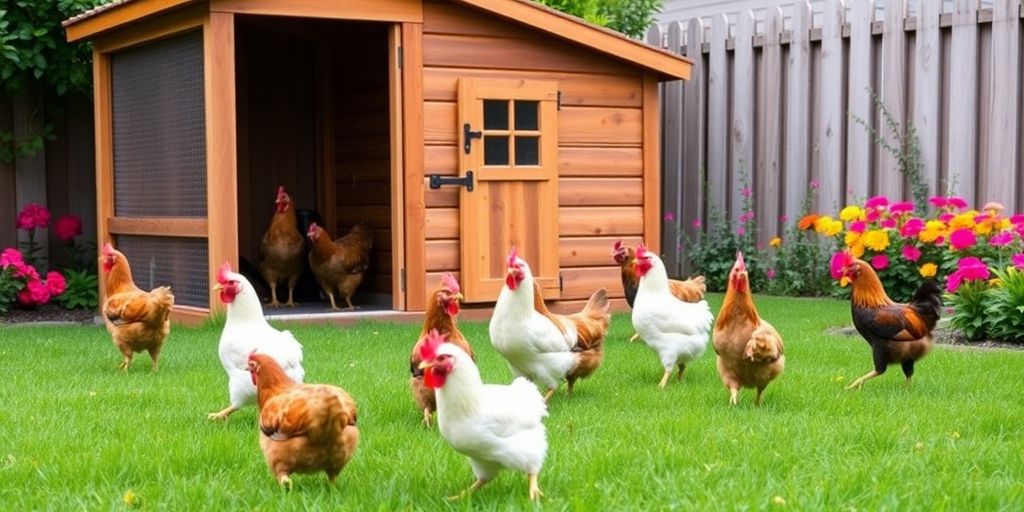
So, you’re ready to jump into the world of backyard chickens? Awesome! Getting your flock started is a super exciting time. There are a few ways to go about it, and each has its own perks. Let’s explore the options.
Hatching Eggs vs. Buying Chicks
Okay, first things first: are you going to hatch your own eggs, or are you going to buy chicks? Hatching eggs is definitely a longer process, but it’s pretty cool to see those little guys emerge. You’ll need an incubator and a whole lot of patience. Buying chicks is faster and easier, but you don’t get to experience the hatching process. It’s really a matter of preference and how much time you have.
- Hatching Eggs: Requires an incubator, careful monitoring of temperature and humidity, and about 21 days of incubation. You’ll need to monitor the temperature closely.
- Buying Chicks: Faster and more convenient, but you miss out on the hatching experience. You can usually find chicks at local feed stores or online hatcheries.
- Consider Breed Availability: Some breeds are easier to find as chicks than as hatching eggs, and vice versa.
Caring for New Chicks
Alright, you’ve got your chicks! Now what? They need a warm, safe place to live, called a brooder. This can be a large box, a plastic tub, or even a spare room. You’ll need a heat lamp to keep them warm, chick starter feed, and fresh water. Make sure the brooder is draft-free and clean. Change the bedding regularly to prevent the buildup of ammonia.
Here’s a quick guide to brooder temperatures:
| Week | Temperature (Fahrenheit) |
|---|---|
| 1 | 95 |
| 2 | 90 |
| 3 | 85 |
| 4 | 80 |
| 5 | 75 |
| 6 | 70 |
Remember to observe your chicks closely. If they’re huddled together under the heat lamp, they’re too cold. If they’re spread out and panting, they’re too hot. Adjust the height of the heat lamp accordingly.
Transitioning to Outdoor Living
Once your chicks are fully feathered (usually around 6-8 weeks), they’re ready to move to the coop. But don’t just toss them out there! You need to acclimate them to the outdoors gradually. Start by letting them spend a few hours outside each day, increasing the time as they get used to the weather. Make sure they have access to shelter and shade. This helps them adjust to the temperature changes and the new environment. It’s also a good idea to keep them separated from any adult chickens for a week or two, so they can get used to each other without any bullying.
Here are some tips for a smooth transition:
- Gradual Introduction: Start with short outdoor visits and gradually increase the time.
- Safe Outdoor Space: Ensure the outdoor area is secure from predators and has adequate shelter.
- Monitor Interactions: Observe how the chicks interact with the existing flock to prevent bullying.
Feeding and Caring For Your Chickens
Essential Nutritional Needs
Okay, so you’ve got your chickens, now what do you feed them? It’s not just about tossing them some scraps! Chickens need a balanced diet to stay healthy and lay those delicious eggs. Think of it like this: you wouldn’t eat pizza for every meal, right? Same goes for your feathered friends.
- Starter Feed: Baby chicks need a special feed, usually around 20% protein, to help them grow big and strong. Look for a chick starter at your local feed store.
- Grower Feed: As they get a little older, switch to a grower feed. This has a bit less protein than starter feed.
- Layer Feed: Once they start laying eggs (around 5-6 months), it’s time for layer feed. This is packed with calcium to help them produce strong eggshells.
Don’t forget the water! Fresh, clean water is a must-have at all times.
Treats and Supplements
Chickens love treats! It’s a great way to bond with them and keep them entertained. But remember, treats should only be a small part of their diet. Think of them as dessert – a little bit is okay, but too much is not good.
Here are some ideas:
- Mealworms: Chickens go crazy for these! They’re a great source of protein.
- Fruits and Vegetables: Watermelon, berries, leafy greens – most chickens love them. Just avoid things like avocado and raw potatoes, which can be harmful.
- Scratch Grains: These are a mix of different grains that chickens enjoy pecking at. It encourages their natural foraging behavior.
Also, consider supplements like grit and oyster shells. Grit helps them digest their food, and oyster shells provide extra calcium, especially important for laying hens.
Maintaining Health and Hygiene
Keeping your chickens healthy is all about prevention. A clean coop and run are essential.
- Clean the Coop Regularly: Remove soiled bedding and replace it with fresh bedding. This helps prevent the buildup of ammonia, which can be harmful to chickens.
- Provide Dust Baths: Chickens need to dust bathe to keep their feathers clean and free of parasites. A simple box filled with sand and dirt will do the trick.
- Check for Parasites: Regularly check your chickens for mites, lice, and other parasites. If you find any, treat them promptly with an appropriate insecticide.
A healthy chicken is a happy chicken! Make sure they have plenty of space, fresh air, and a balanced diet. If you notice any signs of illness, like lethargy, loss of appetite, or unusual droppings, consult with a veterinarian who specializes in poultry. Early detection and treatment are key to keeping your flock healthy and productive.
Collecting and Storing Fresh Eggs
Best Practices for Egg Collection
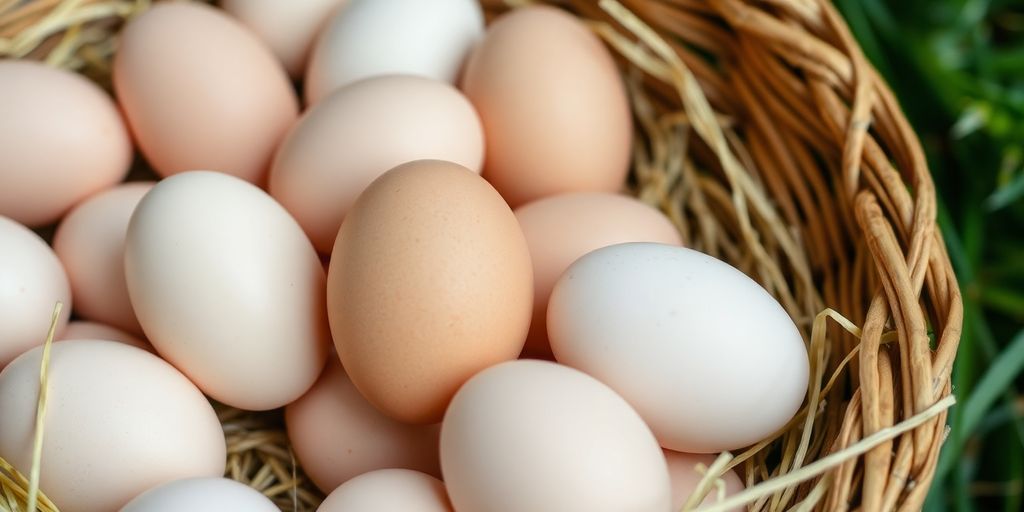
Okay, so you’ve got chickens, and they’re laying eggs. Awesome! But now what? Getting those eggs from the coop to your kitchen safely is key. First off, aim to collect eggs daily. This reduces the chance of breakage, keeps them cleaner, and discourages broodiness (when a hen wants to sit on the eggs to hatch them). I usually go out in the late afternoon.
- Use an egg basket or a container that’s easy to carry.
- Check for cracked or dirty eggs. Set those aside (we’ll talk about them later).
- If you find a broody hen, gently discourage her by removing the eggs and limiting her time in the nest.
Cleaning and Storing Eggs
Alright, you’ve gathered your eggs. Now, about cleaning. The general rule is: don’t wash them unless they’re visibly dirty. Washing removes the natural “bloom” or cuticle that protects the egg from bacteria. If there’s just a little dirt, gently wipe it off with a dry cloth. If they’re really messy, wash them with warm (not hot) water right before you use them. To store farm-fresh eggs, keep them in the fridge. They’ll last much longer that way – up to several weeks. Store them pointy-end down to help keep the yolk centered.
Understanding Egg Production Cycles
Chickens don’t lay eggs every single day of their lives. Their production goes in cycles. Here’s what to expect:
- Pullets (young hens): They start laying around 6 months old, and their first year is usually their most productive.
- Seasonal changes: Egg production slows down in the fall and winter due to less daylight. You can supplement with artificial light in the coop to help maintain production.
- Molting: Chickens molt (lose and regrow their feathers) once a year, usually in the fall. During this time, they’ll stop laying eggs as their bodies focus on feather production.
- Older hens: Egg production declines as hens get older. After a few years, they may only lay a few eggs a week, or stop altogether. You can still keep them as pets, though!
One thing I’ve learned is that every chicken is different. Some are super consistent layers, while others are a bit more…erratic. Don’t be surprised if you have a few “slackers” in your flock. It’s all part of the fun!
Dealing With Common Chicken Challenges
Backyard chicken keeping isn’t always sunshine and eggs. You’re bound to run into some snags along the way. From sneaky predators to chicken squabbles, knowing how to handle these issues can make all the difference in keeping your flock happy and healthy. Being proactive and informed is key to preventing many common problems.
Predator Protection Strategies
Predators are a real concern for backyard chickens. Weasels, foxes, raccoons, and even neighborhood dogs can pose a threat. Securing your coop is the first line of defense. Make sure you use strong hardware cloth, not chicken wire, for the coop and run. Chicken wire is easily torn apart by determined predators. Bury the hardware cloth a foot deep to prevent digging.
Here are some other things to consider:
- Install motion-activated lights around the coop. These can startle nocturnal predators.
- Use a secure coop door that automatically closes at dusk and opens at dawn.
- Consider a poultry netting fence to expand their safe roaming area during the day.
Keeping your chickens safe requires constant vigilance. Regularly inspect your coop and run for any signs of damage or potential entry points. A little prevention goes a long way in protecting your flock.
Health Issues and Solutions
Chickens, like any animal, can get sick. Common ailments include mites, lice, coccidiosis, and respiratory infections. Early detection is crucial. Regularly observe your chickens for signs of illness, such as lethargy, loss of appetite, changes in droppings, or respiratory distress. Dust baths are a great way to combat mites. Provide a designated area with dirt or sand, and consider adding diatomaceous earth (DE) for extra pest control. If you suspect a serious illness, consult with a veterinarian experienced in poultry care. Sometimes, isolating a sick bird is necessary to prevent the spread of disease. Also, make sure you are feeding pet chickens properly.
Behavioral Problems and Solutions
Sometimes, chickens exhibit behavioral problems like feather pecking, bullying, or egg eating. These issues can often be addressed by making changes to their environment or routine. For example, feather pecking can be a sign of boredom or overcrowding. Providing more space, enrichment activities (like hanging a cabbage for them to peck at), or adding more distractions can help. Bullying often occurs when new chickens are introduced to the flock. Introduce new birds slowly and in pairs to minimize stress. Egg eating can be a tricky habit to break. Make sure your chickens have enough calcium in their diet, as calcium deficiency can lead to egg eating. Collect eggs frequently to reduce the temptation. A wide range of colors can also help with behavioral problems.
Enjoying The Benefits of Backyard Chickens
So, you’ve got your coop set up, your chickens are clucking happily, and you’re starting to get fresh eggs. What’s next? Well, it’s time to really enjoy the perks of having backyard chickens! It’s more than just eggs; it’s a whole lifestyle thing.
Fresh Eggs Daily
Okay, this one’s obvious, but it’s worth emphasizing. There’s nothing quite like the taste of a fresh egg from your own backyard. The yolks are richer, the whites are firmer, and you know exactly where they came from. Plus, you can collect them warm from the nest! We even use the eggshells as a calcium supplement for the chickens.
Natural Pest Control
Chickens are like little feathered vacuum cleaners for your yard. They love to eat bugs, grubs, and weeds. Letting them roam around (safely, of course) can really help keep your garden pest-free. Just be careful they don’t get into areas you don’t want them to, like your prize-winning tomato plants. Some people don’t mind sharing their plants with their chickens, but I’m not one of them. Chickens do less eating of garden plants, and more digging and damaging of roots.
Educational Opportunities for Kids
Raising chickens is a fantastic way to teach kids about responsibility, where food comes from, and the natural world. They can help with feeding, collecting eggs, and cleaning the coop. It’s a hands-on learning experience that they’ll never forget. My kids enjoy feeding them mealworms by the handful.
Having chickens around is just plain fun. They have such unique personalities, and it’s relaxing to watch them peck around the yard. Plus, they’re great company when you’re gardening or just hanging out outside.
Wrapping It Up: Your Chicken Journey Begins
So, there you have it! Raising chickens in your backyard can be a blast and super rewarding. Fresh eggs, a bit of fun, and a chance to connect with nature right outside your door. Sure, there’s a learning curve, but don’t let that scare you off. Start small, get your coop ready, and pick out some friendly chicks. Before you know it, you’ll be enjoying those delicious eggs and maybe even sharing them with friends. Just remember, every chicken keeper has their own story, and yours is just beginning. Go ahead, take the plunge—you won’t regret it!
Frequently Asked Questions
What do I need to start raising chickens?
To start raising chickens, you need a safe coop, food, water, and a little space for them to roam.
How many chickens should I get?
For beginners, starting with 3 to 6 hens is a good idea. This way, you can enjoy fresh eggs without being overwhelmed.
What are the best chicken breeds for beginners?
Some good breeds for beginners are Rhode Island Reds, Leghorns, and Buff Orpingtons. They are friendly and lay lots of eggs.
How often do chickens lay eggs?
Most hens lay eggs about 4 to 6 times a week, depending on the breed and their age.
What should I feed my chickens?
Chickens need a balanced diet of chicken feed, grains, and fresh vegetables. They also enjoy treats like mealworms.
How can I keep my chickens safe from predators?
To protect your chickens, make sure their coop is sturdy, use fencing, and close them up at night to keep them safe from predators.