“This post contains affiliate links. As an Amazon Associate, I earn from qualifying purchases”
If you see crescent-shaped mounds and tunnels in your yard, gophers are likely damaging your plants. Here’s how I stop them:
– Use castor oil around the garden to repel them.
– Cover plant roots with hardware cloth for protection.
– Set up gopher traps to catch them.
– Install raised beds with wire mesh at the bottom.
Mounds and tunnels
Gophers cause trouble in yards by digging underground tunnels and creating crescent-shaped mounds. These signs mean you probably have a gopher problem. They dig to build homes and look for food, often damaging plant roots.
This quickly ruins gardens and lawns. The visible mounds are small dirt piles, but the tunnels are hidden beneath the surface. Gophers move a lot of soil each day.
I’ve learned to keep an eye out for new mounds or any changes that might indicate poor garden health. It’s important to address this issue without harming the animals.
A healthy garden depends on knowing what’s happening below the surface.
Damage to plants and gardens
Last summer, my garden plants started looking sick. I discovered gophers were eating the roots. These pests damage plants from below, causing gaps and loose soil. This can lead to other plants tipping over or dying.
To protect my garden, I looked into pest control for gophers. I learned planting certain flowers and using castor oil helps keep them away. Also, placing wire mesh under the soil acts as a barrier against these critters, safeguarding plant roots.
Humane Methods to Get Rid of Gophers
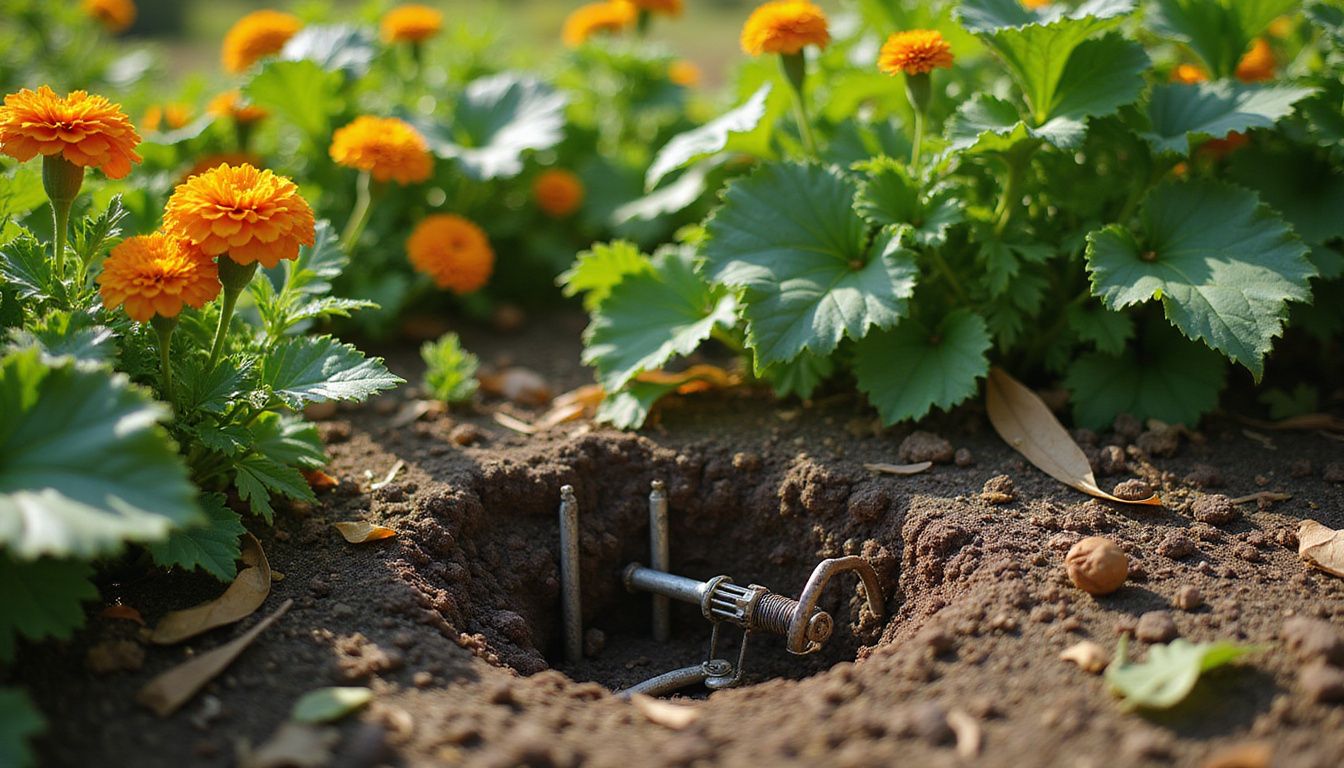
To keep your garden safe from gophers, you can catch them or use natural methods to encourage them to leave. Here’s how:
– Live-trap gophers and release them elsewhere.
– Apply castor oil around your garden; it naturally repels gophers without harming them.
– Install hardware cloth under raised beds and wire mesh over plant roots to block underground tunnels.
– Use gopher traps in active tunnels for effective pest control.
Live trapping
I catch gophers by using live traps, which means I trap them without causing harm and then release them far away from homes or gardens. It took some time to learn the right way to set these traps.
I found that placing them near their crescent-shaped mounds works well. Peanut butter is the most effective bait for me.
Checking the trap at least daily is crucial. After catching a gopher, releasing it in a place where it won’t cause damage is important. This approach protects my plants while avoiding harm to animals.
Now, looking into natural repellents could help keep these pests at bay…
Natural repellents
Castor oil aids in deterring gophers. I combine castor oil with water and dispense it into the soil. This blend encourages gophers to vacate due to their aversion to its scent and flavor, yet it remains harmless to plants.
To maintain a gopher-free environment, I distribute this blend throughout my yard periodically.
I also use coffee grounds as another strategy. By scattering these grounds in the garden, they serve dual purposes; they enhance the fertility of the soil and simultaneously repel the pests owing to its potent aroma that they dislike.
The use of coffee grounds promotes plant vitality and aids in lawn upkeep by ameliorating soil conditions over time.
Effective Deterrents for Gophers
To keep gophers at bay, I use barriers and plant deterrents that effectively protect my backyard.
– Installing hardware cloth around garden beds stops gophers from reaching plant roots.
– Growing plants they dislike helps keep my lawn safe from underground tunnels and crescent-shaped mounds.
Installing barriers or fencing
Building fences or barriers keeps gophers away because they damage lawns by digging. For this, I use hardware cloth or wire mesh to create underground barriers. These barriers must be deep and tall as gophers can dig well.
I’ve also made raised flower beds with a wire mesh at the bottom. This prevents gophers from eating plant roots. Placing the barrier around two feet under works best since gophers dig deep tunnels.
It’s effortful, but it protects the lawn and maintains soil health.
Planting gopher-repellent plants
I use marigolds and castor beans to keep gophers away from my garden. These plants give off smells or tastes that gophers dislike. I plant them around the edges of my garden and near vulnerable plants.
To protect plant roots, I also use raised beds with wire mesh at the bottom. This method prevents gophers from reaching the plants from underground. It requires effort to install but effectively safeguards my vegetables and flowers against gopher damage.
Conclusion
Dealing with gophers requires patience. I notice crescent-shaped mounds and damaged plants first, signaling their presence. To get rid of them, I start with live traps or castor oil in the yard as natural deterrents.
If those methods fail, I switch to installing wire barriers deep around gardens or adding plants gophers dislike. This variety of tactics helps protect my lawn and keeps it healthy.
Staying persistent with these methods is key to keeping gophers at bay.
FAQs
1. What are the signs of a gopher infestation in my backyard?
Gopher infestations can be identified by crescent-shaped mounds and underground tunnels that damage plant roots and lawn health.
2. How can I get rid of gophers from my backyard?
You can use pest control methods like castor oil, hardware cloth, wire mesh or even set up gopher traps to protect your lawn against these pests.
3. Can raised beds help prevent gophers?
Yes! Raised beds lined with wire mesh or hardware cloth can deter pocket gophers and meadow voles from causing any mole damage to your plants’ roots.
4. Is there a way to protect my soil health while dealing with a gopher problem?
Absolutely! While maintaining lawn maintenance, using non-toxic solutions like castor oil is effective for both pest control and preserving soil health.
5. How do I ensure long-term protection against future gopher damage?
Regular monitoring for signs such as crescent-shaped mounds, field mice nests or damaged plant roots will help you address any new threats promptly.