“This post contains affiliate links. As an Amazon Associate, I earn from qualifying purchases”
Having frogs in my backyard was entertaining initially. Then, it became an issue. I discovered that stagnant water acts as a magnet for them. So, I initiated the task to get rid of any standing water to make my yard less attractive to these amphibians.
I also gained knowledge about other techniques to decrease frog count harmlessly and with zero injuries. For example, minimizing outdoor lighting is beneficial as it entices fewer insects, which act as a food source for frogs.
Keeping the lawn trim and eradicating tall weeds diminish their hiding spots.
Moreover, rigorous care of ponds and usage of lids deter frogs from setting their habitats there. Setting up frog traps and relocating them helps in direct control of the numbers if needed.
Employing eco-friendly deterrents like coffee grounds around the garden acts as another harmless technique to discourage them without impacting the environment or other fauna negatively.
By adhering to these steps, my backyard ceased to sustain a vast group of unsolicited frogs.
Key Takeaways
- Remove standing water to prevent frogs. Fix leaks and empty out any containers with water.
- Reduce outdoor lighting at night. Installing motion sensors on lights can decrease bugs, which draw in frogs.
- Clean up the yard regularly. Trim the grass and clear out debris to eliminate frog hiding spots.
- Use natural repellents like a mix of vinegar and water or coffee grounds to safely drive away frogs.
- Build barriers such as mesh fences or stone walls around gardens to keep frogs out.
Identify Why Frogs Are Attracted to Your Backyard
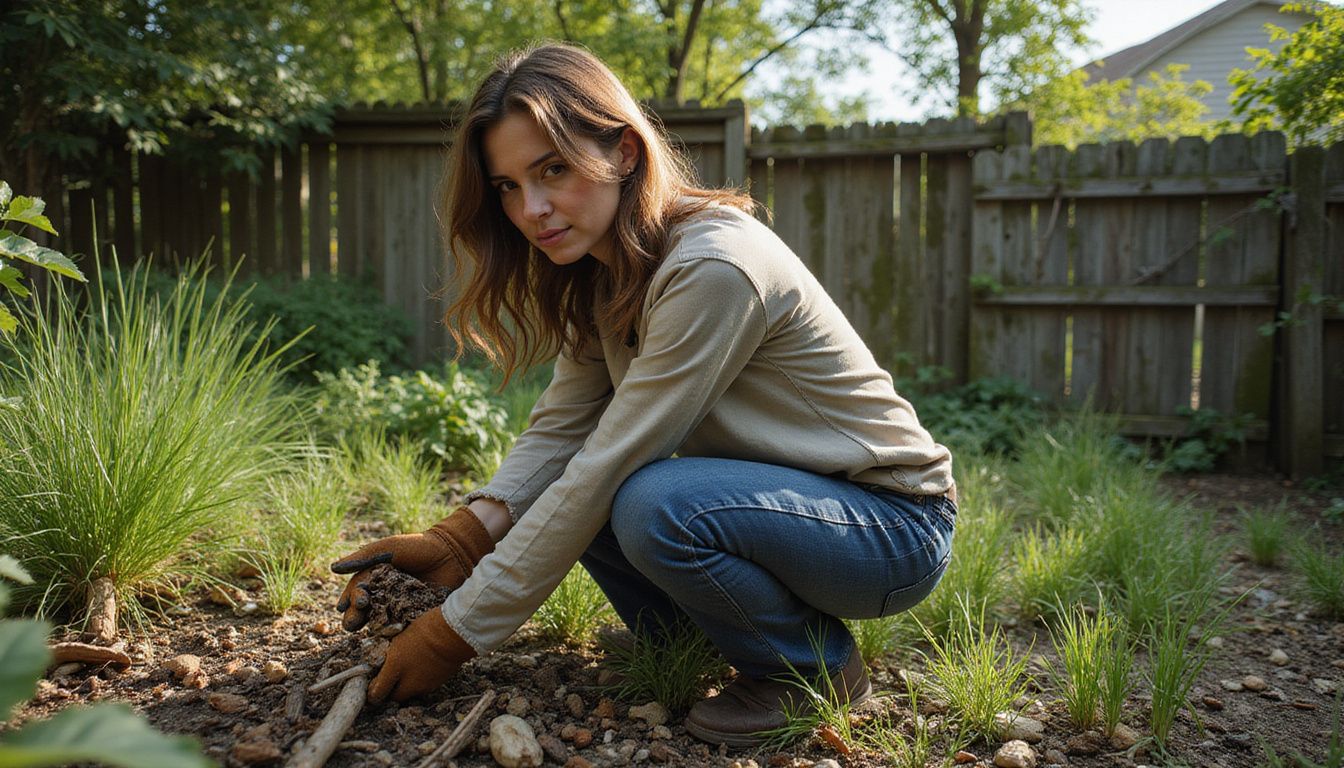
Frogs come to my backyard because they find what they need. Standing water and birdbaths attract them since they need water to live and lay eggs. My garden has tall grass and lots of insects, perfect for frogs to hunt food.
Outdoor lights at night bring in bugs, which then draw in frogs looking for a meal.
Some plants also make my yard appealing to frogs by offering shelter from predators and the sun. To keep frogs away, I remove debris where they might hide. So, managing insect populations and keeping the yard clean are effective strategies.
Eliminate Excess Moisture
To keep frogs away from the backyard, it’s crucial to eliminate excess moisture. This means managing ponds, bird baths, and clearing out leaf piles which can trap water. Good drainage and dry conditions deter frogs.
I always empty any containers that collect rainwater such as flowerpots and buckets. Fixing leaks in outdoor faucets also reduces standing water, making the area less inviting for frogs.
Keeping the garden dry discourages them from settling in.
Clean Up Your Landscaping
I clear my yard to deter frogs by removing their hiding spots such as clutter and tall grass. Here’s how:
– I clean up debris and cut down tall vegetation.
– This reduces frog-friendly environments, helping with pest control.
Remove debris and excessive vegetation
To keep frogs away, cleaning the yard is key. Removing clutter like fallen leaves and wood piles cuts down on places where frogs and insects can live. Keeping grass short and bushes trimmed also helps.
Frogs find it harder to hide without tall grass or thick plants.
Trimming branches that reach the ground reduces shelter for frogs near my house. The goal is to make the backyard unattractive to them but still enjoyable for us. Using rubber snakes in the garden deters some frogs because they look like predators.
Combined with cleaning, this method works well in preventing frog infestations.
Trim low-hanging plants and shrubs
I trim the low plants and bushes in my yard because frogs use them as hiding spots. They seek out these cool, moist areas for shelter. By cutting back these plants, I make my yard less inviting to them.
I use garden shears to keep the yard tidy. Cutting tall grass is important too, as it reduces the number of insects available for frogs to eat. With fewer insects in my yard, there are fewer frogs coming to feed.
Reduce Outdoor Lighting
Frogs are drawn to light because it attracts their prey, like bugs. I noticed more frogs near my house’s porch and garage lights. By turning off these lights at night, I saw fewer frogs.
I also started using motion sensor lights. Now, the lights only turn on when there is movement, reducing the time for bugs and frogs to come near. This change has kept frogs away from my backyard effectively.
Remove Frog Food Sources
Cutting down on what frogs eat is a smart move. If we keep bugs in check and don’t leave dog or cat food outside, frogs won’t find our yards so inviting.
Control insect populations
To reduce frog numbers, it’s essential to lower their food source – insects. My backyard attracts frogs because of the critters running around. So, pest management is key. This involves removing standing water that mosquitoes use for laying eggs and using insect zappers.
For garden pests, I avoid harsh chemicals and opt for natural solutions instead. Planting bug-repelling plants and spreading coffee grounds deters both insects and frogs from my yard.
Avoid leaving pet food outside
I left pet food outside once and it attracted frogs and insects quickly. These pests were drawn to the easy meal, resulting in more frog food sources in my backyard.
To cut down on these unwanted guests, I now feed pets inside or immediately pick up dishes after outdoor meals. This change led to a noticeable reduction in yard pests. Cleaning around the feeding area also plays a key role in controlling outdoor critters invading my space.
Use Natural Frog Repellents
Trying natural ways to keep frogs away works well. Mixing vinegar with water or spreading coffee leftovers around your yard can make frogs leave.
Vinegar and water spray
To keep frogs away from my backyard, I mix vinegar with water in a spray bottle. The mixture is one part vinegar to one part water. Frogs don’t like this because it can harm their skin, so they avoid sprayed areas.
I apply this around the yard edges and frog spots.
This approach is safe for frogs and other wildlife, which matters to me. It’s also affordable and quick to do. I just need to reapply it after rain or watering the plants since it washes off.
Coffee grounds and other natural deterrents
I use coffee grounds in my garden. They stop frogs from coming and help plants grow by adding nutrients to the soil. The texture and smell of coffee grounds make frogs stay away.
I also mix vinegar with water as a frog repellent. It doesn’t hurt my garden or pets. Spraying this mixture where frogs hang out makes them leave those areas.
Create Physical Barriers
To keep frogs away, you can put up barriers around your yard. Mesh fences and stone walls work well to stop them from coming in.
Install a mesh fence
I placed a mesh fence around my garden to deter frogs. The mesh has minuscule openings that frogs cannot pass through. I embedded the base a few inches into the soil and ensured it was tall enough to discourage frogs from leaping over.
This obstruction encompasses all of my garden, neglecting no gaps.
Establishing this fence decreased the population of frogs in my green space. A tangible obstruction such as this is a successful method to repel frogs and other garden nuisances.
Build a stone barrier
Upon setting up a mesh fence, I similarly constructed a stone barrier to deter frogs. Stones function excellently since frogs are unable to clear or slip through them when positioned properly.
For construction, pick the location where frogs ingress the most. Initiate with big rocks adjacent to each other along this space. Subsequently, plug the nooks with tinier stones ensuring no crevices remain.
This strategy halts uninvited frogs and toads from intruding and simultaneously augments your garden’s visual appeal. Its efficacy is validated; no frog has succeeded in bypassing since the culmination of the barrier.
This technique validates that a properly constructed stone barrier can efficaciously block frog ingress.
Safely Remove Frogs
To safely get frogs out of your yard, use kind traps. Then, take them to a place they belong.
Use humane traps
I use humane traps for frog removal. These traps don’t harm the frogs. I bait them with insects, as that’s what frogs eat. When a frog enters, the trap door closes without hurting it.
I relocate the frogs away from my home to reduce backyard infestations while ensuring their safety in suitable habitats. This method keeps both my yard and the frogs safe.
Relocate frogs to a suitable habitat
After catching frogs with gentle traps, it’s time to relocate them. They need an environment similar to their natural habitat. This includes areas near water sources and places with lots of insects for food.
Forests or wetlands make ideal new homes for these frogs. It’s crucial to choose a relocation spot that doesn’t already have a lot of frogs. This practice helps maintain balance and prevents disease spread within frog populations.
Conclusion
To get rid of frogs in my backyard, I focus on what attracts them and address these issues. I reduce moisture, clean the yard to eliminate frog habitat, turn off outdoor lighting at night, and stop unintentionally providing a food source for them.
If these actions don’t work, spraying vinegar water or spreading coffee grounds deters them further. For persistent frogs, installing a mesh fence or relocating them might be necessary.
This way, my outdoor area will soon be free of frogs again.
FAQs
1. How can I remove frogs from my backyard?
You can remove frogs from your backyard by eliminating their food source, which is mostly insect pests, and removing standing or stagnant water sources. Using pest control strategies to manage garden pests will reduce the frog’s food supply.
2. What are some effective ways of controlling invasive species like Cuban tree frogs and cane toads?
Invasive species such as Cuban tree frogs and cane toads can be controlled by using frog traps or employing wildlife control services for professional frog removal.
3. Can altering outdoor lighting help in managing a frog infestation?
Yes, reducing outdoor lighting may discourage insects that attract native frogs, American bullfrogs, coqui frogs and other types of amphibians prone to invasion.
4. Are there any homemade solutions that deter frogs?
Homemade solutions such as coffee grounds spread around your yard can serve as an excellent deterrent for garden snakes and garter snakes which are predators of frogs. Rubber snakes also work well as a snake repellent.
5. How does maintaining my pond help in getting rid of unwanted amphibians?
Regular pond maintenance helps prevent the growth of tall grasses and weeds that create ideal habitats for invasive species like cane toads or Cuban tree frogs.
6. Why is it important to relocate rather than kill the invading amphibians?
Frogs play an essential role in our ecosystem by controlling insect populations; relocating them preserves their natural habitats while protecting your yard from infestations.