“This post contains affiliate links. As an Amazon Associate, I earn from qualifying purchases”
Cane toads in my backyard were an issue. I discovered these amphibians are invasive, which was unexpected. I searched for methods to eliminate them and encountered some uncomplicated procedures.
These measures serve the dual purpose of eliminating cane toads and keeping them from coming back.
Initially, switch off external lights at night. These light sources draw insects, which subsequently lure cane toads. Subsequently, eradicate stagnant water where cane toad eggs and tadpoles flourish.
When you execute both these measures, you lessen the likelihood of your yard becoming a haven for cane toads.
This strategy is sensible for managing these nuisances and guarding indigenous species from the menace of cane toads. Plus, it’s a safe method to tackle the problem without needing to directly euthanize them.
Key Takeaways
- Turn off outdoor lights at night to reduce bugs, which attract cane toads.
- Eliminate standing water in your yard to stop cane toads from laying eggs.
- Remove cane toad eggs from ponds or slow waters.
- Install high barriers and fences that cane toads cannot jump over.
- Wear gloves when touching adult cane toads and learn the safe way to euthanize them.
What Are Cane Toads and Why Are They a Problem?
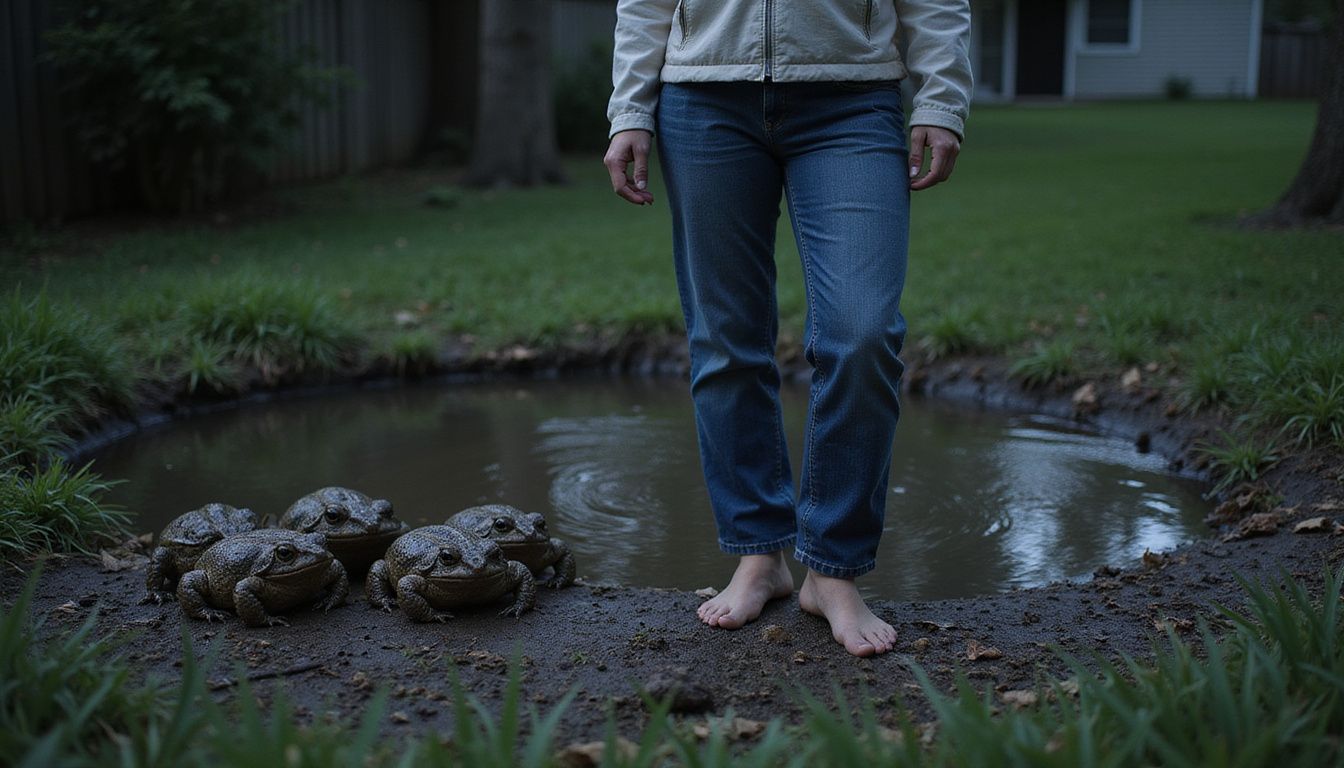
In 1935, people brought cane toads here to fight pests in sugar cane fields. This plan failed. Now, these invasive species are a problem because they spread widely and harm local wildlife.
They compete with native species for food and space since they eat almost anything. Their toxic skin poses a deadly threat to pets and wildlife that try to eat them.
To deal with this issue, I’ve found some solutions. Since standing water attracts cane toads for laying eggs, I make sure my backyard doesn’t have any. Also, turning off outside lights seems effective; it reduces bugs which means less food for the toads and fewer places for them to lay eggs or raise their young ones, known as ‘toadpoles.’ These steps help control the population of cane toads in my area.
Effective Methods to Remove Cane Toads from Your Backyard
Cane toads are a problem, so here’s how I deal with them in my yard.
- I turn off outside lights at night. This reduces bugs, which attracts fewer cane toads.
- I get rid of standing water. Without it, cane toads can’t lay eggs or live comfortably.
- I find and remove any toad eggs from ponds. They look like long strings of jelly with black dots.
- I set up pest control barriers. This keeps cane toads out.
- At night, when they’re most active, I wear gloves and use a container to pick up the toads gently. Then, I follow wildlife expert advice on how to euthanize them properly.
- To prevent their entry further, I install garden mesh or fences high enough they can’t jump over.
- Lastly, I make my yard welcoming for native species that eat cane toads – some snakes and birds.
These actions help control cane toad populations without harming local ecosystems too much.https://www.youtube.com/watch?v=h48gtHvbNSs
Preventing Cane Toads from Returning
Toads cause problems in backyards by harming local wildlife and spreading quickly. Here’s how to keep them away:
- I turn off outside lights at night because they attract bugs, which then attract toads. Using motion sensor lights helps reduce their numbers.
- Eliminate standing water like pools or buckets to prevent toad eggs from turning your yard into a breeding ground. I empty containers after rain and fix any leaks.
- Before adding new plants to the garden, I inspect them for toad eggs or young ones hitching a ride.
- For pond owners, setting up barriers can block toads from entering or leaving the water. A fine mesh around my pond proved effective.
- Planting native species makes the yard less inviting for cane toads since these plants compete with them for resources.
- Informing neighbors about cane toad control has made our community less attractive to these pests.
Following these steps has kept my backyard cane-toad-free and enjoyable once again.https://www.youtube.com/watch?v=nyH5hpFQCi4
Conclusion
To remove cane toads from your backyard, start by eliminating their favorite conditions: turn off outside lights at night and get rid of standing water. These steps make your yard less appealing to them.
Next, find and remove any toad eggs from ponds or slow-moving waters nearby. If you encounter adult cane toads, learn the proper method to euthanize them humanely while wearing gloves for protection against their toxins, which are dangerous to humans and pets.
Stay vigilant for these invasive species attempting a comeback. By taking these actions, I’ve made my backyard safer for native species without damaging the environment. Our efforts help protect local wildlife and our gardens from pests like cane toads.
FAQs
1. What is a cane toad and why is it considered an invasive species?
A cane toad is a type of large, poisonous amphibian native to Central and South America. It’s considered an invasive species because when introduced into new environments, they multiply rapidly, crowd out native species and disrupt the ecosystem balance.
2. How can I identify if there are cane toads in my backyard?
Cane Toads are attracted by outside lights that lure their prey – insects. Look for them near these light sources or around standing water where they may lay their eggs.
3. What steps can I take to get rid of cane toads from my yard?
To eliminate cane toads, you need first remove any outside lights and standing water areas which attract them. This will discourage the laying of more eggs and reduce the attractiveness of your backyard as a habitat.
4. Is it necessary or legal to euthanise cane toads found in my backyard?
In some places where they pose significant threats, it might be necessary and even encouraged by local authorities for homeowners themselves or professionals alikeeuthanise these creatures responsibly so as not further harm other wildlife.