“This post contains affiliate links. As an Amazon Associate, I earn from qualifying purchases”
When it comes to cooking, the debate between milk and heavy cream can get a bit heated. Both ingredients have their own unique flavors and textures, but they also come with different nutritional profiles. If you’re trying to eat healthier or just want to know which one to use in your recipes, this article will break down the key differences between milk and heavy cream, focusing on their health impacts, culinary uses, and more. Let’s get into the details of milk vs heavy cream health.
Key Takeaways
- Milk is generally lower in calories and fat compared to heavy cream, making it a healthier everyday option.
- Heavy cream offers a rich texture and flavor, perfect for special dishes but should be used in moderation due to its high fat content.
- Both milk and heavy cream have their unique culinary uses, so the choice depends on the dish you’re preparing.
- Consider your health goals when choosing between the two; milk is better for lighter meals, while heavy cream is great for indulgent recipes.
- There are several alternatives to heavy cream, like plant-based creams and homemade substitutes, if you’re looking for lighter options.
Nutritional Comparison of Milk and Heavy Cream
Caloric Content Analysis
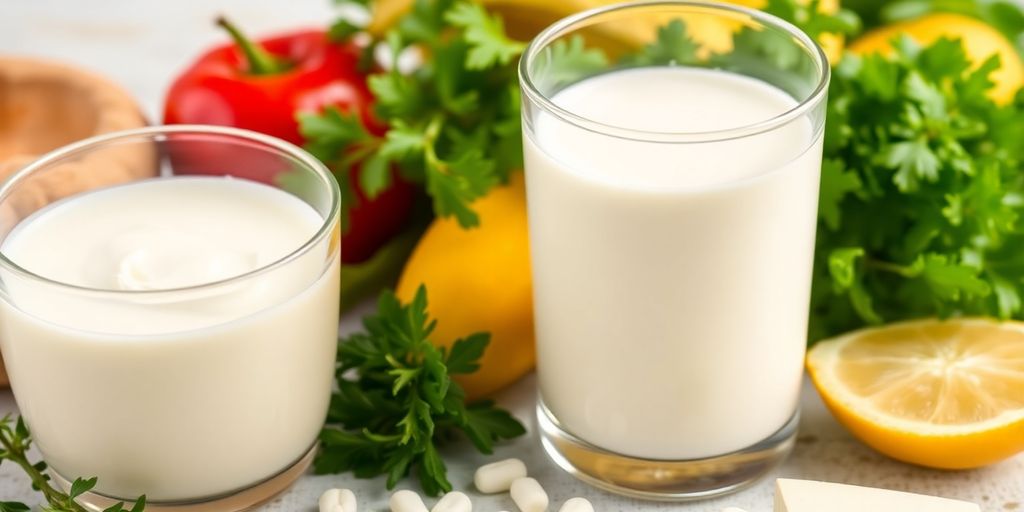
When you’re trying to eat healthier, it’s good to know the calorie differences between milk and heavy cream. Heavy cream is way more calorie-dense than milk. A cup of heavy cream can have around 800 calories, while a cup of whole milk is closer to 150. If you’re watching your calorie intake, milk is the clear winner. Skim milk is even lower in calories, making it an even better choice.
Fat Composition Differences
The type of fat in milk and heavy cream is also different. Heavy cream is mostly saturated fat, which some people try to limit in their diet. Milk has less fat overall, and a portion of it is unsaturated fat, which is generally considered healthier. Here’s a quick breakdown:
- Heavy Cream: High in saturated fat.
- Whole Milk: Contains a mix of saturated and unsaturated fats.
- Skim Milk: Very low in fat, mostly unsaturated.
Vitamins and Minerals Overview
Both milk and heavy cream have vitamins and minerals, but milk has more. Milk is a good source of calcium, vitamin D, and some B vitamins. Heavy cream doesn’t have as much of these nutrients. If you’re looking for essential nutrients, milk is the better option. Heavy cream is more about adding richness and flavor than providing a lot of vitamins and minerals.
Choosing between milk and heavy cream isn’t just about calories and fat. It’s also about what nutrients you’re getting. Milk offers more in terms of vitamins and minerals, while heavy cream is mainly a source of fat. Think about what you need most in your diet when you’re deciding which to use.
Culinary Applications of Milk and Heavy Cream
Everyday Cooking Uses
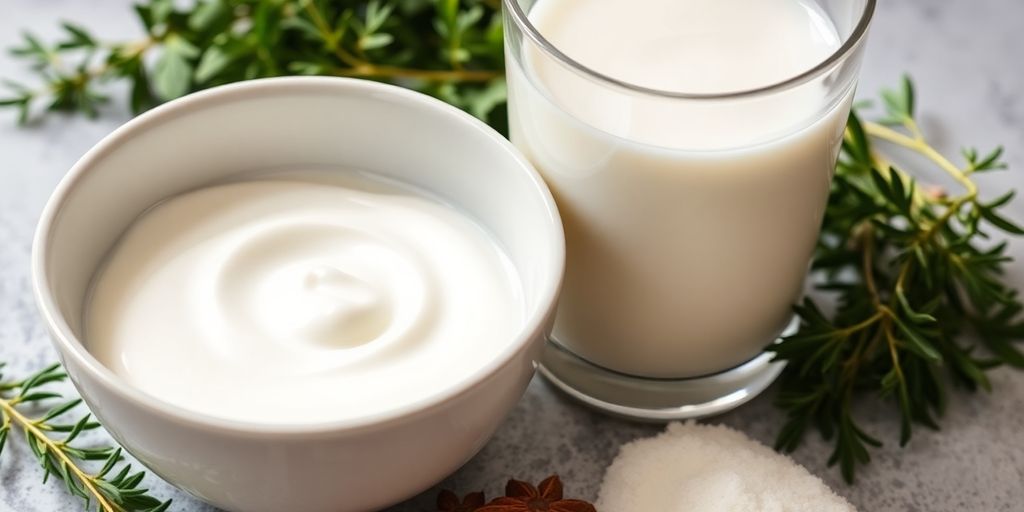
Milk and heavy cream both have their places in everyday cooking, but they serve different purposes. Milk is great for things like thinning sauces, adding moisture to baked goods, or making a quick cream sauce for pasta. It’s a lighter option that doesn’t add a ton of fat. Heavy cream, on the other hand, is used when you want richness and a velvety texture. Think creamy soups, decadent scrambled eggs, or adding a dollop to your coffee. The higher fat content in heavy cream makes it ideal for achieving a luxurious mouthfeel in dishes.
Special Occasion Dishes
When it comes to special occasion dishes, heavy cream really shines. It’s the key ingredient in many desserts, like mousses, panna cotta, and rich chocolate sauces. It can be whipped into a stable topping for pies and cakes, or used to create a luscious pasta sauces for a fancy dinner. Milk can still play a role, but it’s often relegated to supporting roles, like adding a touch of moisture to a cake or lightening up a custard. The richness of heavy cream makes dishes feel more indulgent and celebratory.
Substitutions in Recipes
Sometimes you might find yourself needing to substitute milk for heavy cream, or vice versa. If you’re substituting milk for heavy cream, you’ll likely lose some of the richness and thickness. You can compensate by adding a little butter or cornstarch to thicken the sauce. If you’re substituting heavy cream for milk, be mindful of the added fat. You might want to use a lower-fat milk to balance things out. Here are some things to consider:
- Fat Content: Heavy cream has significantly more fat than milk, which affects the final texture and flavor.
- Cooking Properties: Heavy cream can be whipped and is more stable at high temperatures than milk.
- Recipe Adjustments: When substituting, you may need to adjust other ingredients to achieve the desired consistency and taste.
I once tried to make a chocolate mousse using milk instead of heavy cream. It was a complete disaster. The mousse was thin, watery, and lacked that rich, decadent flavor that makes mousse so special. It taught me a valuable lesson about the importance of using the right ingredients for the right job.
Health Benefits of Milk
Lower Calorie Option
Okay, so milk is definitely the lighter choice when you’re comparing it to heavy cream. I mean, it’s pretty obvious, right? But it’s not just about fewer calories. It’s about what you get for those calories. You can enjoy a glass of milk without feeling like you’ve totally blown your diet for the day. It’s a simple swap that can make a real difference if you’re watching your weight or just trying to make healthier choices. Plus, it’s easier to drink a whole glass of milk than a whole glass of heavy cream, let’s be honest!
Rich in Nutrients
Milk is packed with good stuff. It’s not just empty calories; it’s actually doing something for your body. We’re talking about vitamins and minerals that you need every day. It’s a good source of protein, which is important for building and repairing tissues. And don’t forget about the calcium and vitamin D, which are super important for strong bones. It’s like a little nutritional powerhouse in a glass. Whole milk is a great option, especially when fortified.
Here’s a quick rundown of some key nutrients in milk:
- Calcium: Essential for bone health.
- Vitamin D: Helps your body absorb calcium.
- Protein: Important for muscle building and repair.
- Potassium: Helps regulate blood pressure.
Supports Bone Health
Milk is a classic for a reason: it’s great for your bones. The calcium in milk is a big deal when it comes to keeping your bones strong and healthy. And the vitamin D helps your body actually use that calcium. It’s like a perfect team working together to keep your skeleton in good shape. This is especially important for kids and teenagers who are still growing, but it’s also important for adults to maintain bone density as they get older. So, drink up!
I always thought milk was just something kids drank, but now I realize it’s important for everyone. I’ve started adding it to my daily routine, and I feel good knowing I’m doing something to support my bone health. It’s an easy way to get some extra nutrients without having to think too much about it.
Health Considerations of Heavy Cream
High Saturated Fat Content
Heavy cream is undeniably delicious, but it’s also packed with saturated fat. A single serving can contribute a significant portion of your daily recommended intake. This is something to keep in mind, especially if you’re watching your overall fat consumption.
Impact on Heart Health
Because of its high saturated fat content, regular and excessive consumption of heavy cream could have an impact on heart health. It’s not about demonizing a single ingredient, but more about being mindful of how it fits into your overall dietary pattern. If you have concerns about cholesterol levels, it’s worth discussing with your doctor or a registered dietitian. They can provide personalized advice based on your specific health profile. Consider low-fat dairy options as an alternative.
Caloric Density and Weight Gain
Heavy cream is incredibly calorie-dense. Just a small amount can add a substantial number of calories to your meal or beverage. This isn’t necessarily a bad thing if you’re using it sparingly or trying to gain weight, but it’s something to be aware of if you’re trying to manage your weight or reduce your caloric intake.
It’s all about balance. Enjoy heavy cream in moderation as part of a varied and healthy diet. Don’t feel like you need to completely eliminate it, but be mindful of portion sizes and how often you’re including it in your meals.
Flavor Profiles: Milk vs Heavy Cream
Taste Differences
Okay, so let’s talk about how these two actually taste. Milk, especially lower-fat kinds, has a pretty mild, slightly sweet flavor. It’s refreshing and clean. Heavy cream, on the other hand, is super rich and decadent. It’s got a distinct buttery flavor because of all that fat. Think about it: you wouldn’t drink a whole glass of heavy cream, but milk? Totally normal. The difference in fat content really changes the whole experience.
Texture and Mouthfeel
Texture is a big deal when you’re cooking. Milk is thin and light. It adds moisture, but not a lot of body. Heavy cream is thick and coats your mouth. It makes things feel luxurious. That’s why it’s used in things like ice cream and fancy sauces. The high fat content gives it that velvety texture that milk just can’t match. If you’re looking for something light, milk is the way to go. But if you want richness, heavy cream wins every time.
Pairing with Other Ingredients
Milk is pretty versatile. It works well with almost anything. Cereal, coffee, baked goods – it’s a solid all-around player. Heavy cream is more specialized. It’s amazing with chocolate, berries, and coffee, but it can overpower lighter flavors. Think about using heavy cream in a rich pasta sauce versus milk in a light vinaigrette. It’s all about balance. Here are some common pairings:
- Milk:
- Cereal
- Coffee
- Oatmeal
- Heavy Cream:
- Berries
- Chocolate
- Coffee
When you’re deciding between milk and heavy cream, think about what you’re trying to achieve. Do you want something light and refreshing, or something rich and indulgent? The flavor and texture will make a big difference in the final result. Consider how the dairy will interact with the other ingredients in your recipe. Sometimes, the subtle flavor of milk is perfect, while other times, you need the bold richness of heavy cream to really make a dish shine. It’s all about finding the right balance for your taste.
Choosing Between Milk and Heavy Cream
It’s decision time! Milk and heavy cream each bring something unique to the table. The best choice really depends on what you’re trying to achieve in your cooking and what your individual needs are. Let’s break it down.
Personal Health Goals
Are you watching your calorie intake or trying to reduce fat? Then milk is probably the better option. It’s lighter and offers essential nutrients without the high fat content of heavy cream. If you’re not too concerned about calories and want a richer flavor, heavy cream might be just what you need. Consider your overall dietary pattern. Are you generally eating healthy and just want a treat? Or are you trying to make healthier choices across the board?
Dietary Restrictions
Do you have any dietary restrictions? If you’re lactose intolerant, both milk and heavy cream might cause issues, though some people find they can tolerate heavy cream in small amounts due to its higher fat content slowing down lactose absorption. There are also lactose-free milk options available. If you’re following a vegan diet, neither is an option, and you’ll need to explore plant-based alternatives.
Recipe Requirements
Some recipes simply work better with one or the other. For example, if you’re making a light sauce or soup, milk will likely be perfect. But if you’re aiming for a decadent dessert or a rich, creamy sauce, heavy cream is the way to go. Think about the texture and flavor you want to achieve. Consider these points:
- Will the recipe be baked? Some baked goods need the fat in heavy cream for the right texture.
- Does the recipe require whipping? Milk won’t whip, but heavy cream will.
- What is the desired consistency? Heavy cream will create a thicker, richer result.
Ultimately, there’s no single right answer. It’s about balancing flavor, texture, and your own health needs. Experiment and see what works best for you in different recipes. Don’t be afraid to try substitutions, but be aware that it might change the final outcome.
When exploring the world of dairy products, understanding the differences between milk and heavy cream is key to making informed choices in the kitchen. If you are aiming for a lower-calorie option, evaporated milk is likely the better choice, especially for everyday cooking.
Alternatives to Heavy Cream
Sometimes you need a substitute for heavy cream. Maybe you’re out, maybe you’re trying to cut back on fat, or maybe you’re vegan. Whatever the reason, there are plenty of options to explore. It’s all about knowing what works best in different recipes.
Plant-Based Creams
Plant-based creams are a great option for those avoiding dairy. Coconut cream is probably the most popular, and for good reason. It’s rich and can even be whipped like heavy cream. Other options include cashew cream and oat milk, which offer different textures and flavors. These can be used in both sweet and savory dishes, offering a similar creamy consistency without the dairy.
Low-Fat Dairy Options
If you’re not avoiding dairy altogether but want to cut back on fat, there are several low-fat dairy alternatives. Evaporated skim milk can work in some recipes, though it won’t be as rich. Greek yogurt, especially when thinned with milk, is another good choice. It adds a slight tang, which can be nice in certain dishes. Half-and-half is also an option, though it still contains more fat than milk or yogurt.
Homemade Substitutes
Sometimes, the best option is to make your own substitute. One popular method is to combine milk with cornstarch or flour to thicken it. Another is to blend cottage cheese until smooth, creating a creamy base that’s lower in fat than heavy cream. These homemade substitutes allow you to control the ingredients and adjust the consistency to your liking. Experimenting with different combinations can lead to some surprisingly good results.
I once tried making a chocolate mousse with blended silken tofu instead of heavy cream. It was surprisingly good! It didn’t have the exact same richness, but it was still creamy and delicious, and I felt a lot better about eating it. It’s all about being willing to experiment and see what works.
Here’s a quick comparison of some popular alternatives:
| Alternative | Fat Content | Notes |
|---|---|---|
| Coconut Cream | High | Rich, can be whipped, good for desserts and sauces. |
| Greek Yogurt | Low to Med | Tangy flavor, best when thinned, good for soups and sauces. |
| Evaporated Skim Milk | Very Low | Lighter option, may not provide the same richness. |
| Silken Tofu | Low | Blends well, neutral flavor, good for vegan desserts and sauces. |
| Cashew Cream | Med | Creamy texture, slightly nutty flavor, good for both sweet and savory. |
When choosing an alternative, consider the recipe and your personal preferences. Some alternatives will work better than others depending on the dish. For example, plant milk might be great in a soup but not so great in a whipped topping. It’s all about finding what works best for you.
Final Thoughts on Milk vs. Heavy Cream
In the end, choosing between evaporated milk and heavy cream really depends on what you’re cooking and your health goals. If you want something lighter, evaporated milk is a solid pick. It gives you that creamy texture without piling on the calories. But if you’re making something special and want that rich, indulgent flavor, heavy cream is hard to beat. Both have their spots in the kitchen, so it’s all about balancing taste and nutrition. Knowing what each can do helps you make the best choice for your meals, ensuring they’re both delicious and satisfying.
Frequently Asked Questions
What is the main difference between milk and heavy cream?
The main difference is the fat content. Heavy cream has a lot more fat, making it richer and creamier than regular milk.
Can I use milk instead of heavy cream in recipes?
Yes, you can use milk in place of heavy cream, but the dish may not be as rich or creamy.
Is heavy cream unhealthy?
Heavy cream is high in calories and saturated fat, so it should be eaten in moderation if you’re watching your weight or heart health.
What are the health benefits of milk?
Milk is lower in calories and fat compared to heavy cream. It also provides important nutrients like calcium, which is good for bones.
How do I choose between milk and heavy cream for cooking?
Choose milk for everyday meals to keep it lighter, and use heavy cream for special dishes where you want a rich flavor.
Are there good substitutes for heavy cream?
Yes! You can use plant-based creams, low-fat dairy options, or make your own substitutes at home.