“This post contains affiliate links. As an Amazon Associate, I earn from qualifying purchases”
If you find yourself out of heavy cream or just want a lighter option, using milk instead of heavy cream can be a game-changer in your cooking and baking. This guide will walk you through the ins and outs of making the switch, from understanding the differences to practical tips for using milk in your favorite recipes. Whether you’re making a creamy pasta or whipping up a dessert, you’ll learn how to adapt your dishes without sacrificing flavor or texture.
Key Takeaways
- Milk can be a healthier alternative to heavy cream with fewer calories and less fat.
- Adjusting the consistency of milk for recipes is easy with thickening agents like cornstarch or flour.
- Milk works well in a variety of dishes, including sauces, soups, and baked goods.
- You can substitute milk for heavy cream in a 3:1 ratio, using three parts milk to one part butter for added richness.
- Alternative options like half-and-half and evaporated milk can also serve as substitutes when heavy cream is not available.
Understanding Milk As A Substitute
Nutritional Comparison
Okay, so you’re thinking about swapping heavy cream for milk. Smart move if you’re watching calories or fat! Let’s break down the nutritional differences. Milk, even whole milk, generally has fewer calories and significantly less fat than heavy cream. This can be a big win if you’re trying to lighten up a recipe without sacrificing too much flavor. Here’s a quick comparison:
| Nutrient | 1 tbsp Heavy Cream | 1 tbsp Whole Milk |
|---|---|---|
| Calories | 51 | 8 |
| Total Fat (g) | 5.7 | 0.5 |
| Saturated Fat (g) | 3.6 | 0.3 |
As you can see, the difference is pretty significant. Of course, milk also provides calcium and protein, which are added bonuses. But remember, the lower fat content will affect the final texture and richness of your dish. You might need to make some adjustments to compensate, which we’ll get into later.
Flavor Profile
Heavy cream has a rich, almost buttery flavor that comes from its high fat content. Milk, on the other hand, has a much milder flavor. This means that when you substitute milk for heavy cream, you’re going to lose some of that intense richness. The type of milk you use will also affect the flavor. Whole milk will be richer than skim milk, for example.
Consider this:
- Whole milk offers a slightly richer taste compared to lower-fat options.
- Skim milk will provide the least amount of flavor.
- Nut milks (like almond or oat milk) can add a distinct flavor profile, which might complement some dishes but clash with others.
When I first tried using milk in my coffee instead of heavy cream, I was surprised by how much it changed the taste. It wasn’t bad, just different. I had to adjust the amount of sugar I used to get it just right. It’s all about experimenting to find what works for you.
Texture Differences
Texture is where you’ll notice the biggest difference. Heavy cream is thick and luxurious, giving dishes a smooth, velvety texture. Milk is much thinner, so substituting it directly will result in a less creamy consistency. This is especially noticeable in sauces and desserts. To compensate, you might need to use thickening agents like flour or cornstarch. Also, milk is more prone to curdling at high temperatures than heavy cream. So, you’ll need to be careful when cooking with it. You can also try using dairy substitutions like yogurt to help thicken the milk.
How To Substitute Milk Instead Of Heavy Cream
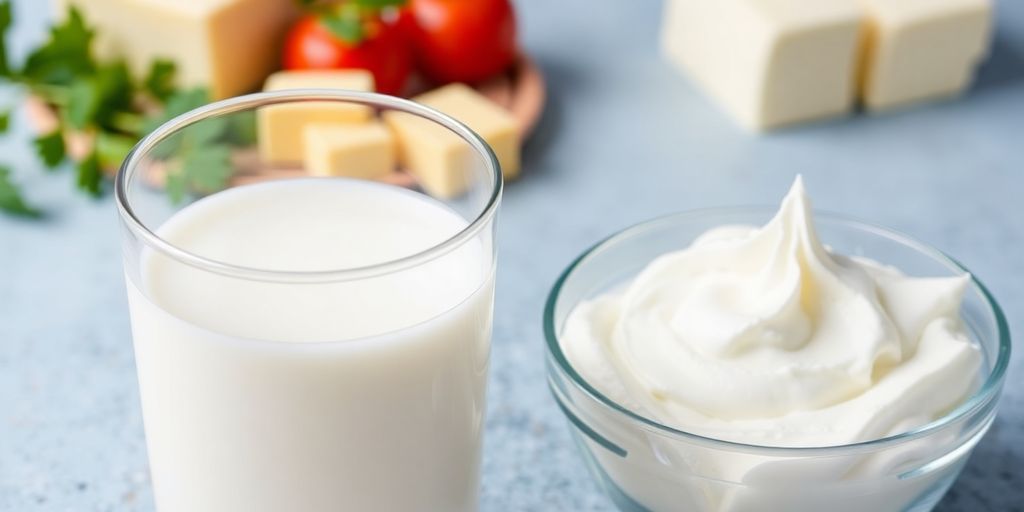
So, you’re out of heavy cream? Don’t sweat it! Milk can totally work in a pinch, but there are a few things to keep in mind to get the best results. It’s not a straight swap, but with a little know-how, you can still whip up something delicious.
Basic Substitution Ratios
Okay, so you can’t just pour milk in and expect it to act like heavy cream. It’s all about adjusting the recipe a bit. The key is to compensate for the lower fat content in milk. Here’s a simple breakdown:
- For every 1 cup of heavy cream, try using 1 cup of milk mixed with 2 tablespoons of melted butter. This adds back some of the fat you’re missing.
- Another option is to use 3/4 cup of milk and 1/4 cup of plain yogurt. The yogurt adds a bit of thickness.
- If you’re feeling adventurous, you can use 1 cup of milk thickened with 1-2 tablespoons of cornstarch. Just make sure to mix the cornstarch with a little cold milk before adding it to the rest, to avoid clumps.
Thickening Techniques
Milk is thinner than heavy cream, obviously. So, you might need to thicken it up a bit to get the right consistency. Here are a few tricks I’ve used:
- Cornstarch Slurry: Mix 1-2 tablespoons of cornstarch with an equal amount of cold milk to form a slurry. Whisk this into your milk and heat gently until it thickens. This is great for sauces.
- Flour Power: Similar to cornstarch, you can use flour. Just be sure to cook it a little longer to get rid of that flour-y taste. About 1 tablespoon per cup of milk should do the trick.
- Reduction: Gently simmer the milk on low heat to reduce the liquid. This concentrates the flavor and thickens it naturally. Keep a close eye on it so it doesn’t scorch!
Combining Ingredients
Sometimes, milk alone just doesn’t cut it. That’s when you need to bring in some reinforcements. Here are some combos I’ve found work well:
- Milk and Butter: As mentioned before, this is a classic. The butter adds back the fat that milk lacks. Use about 2 tablespoons of melted butter per cup of milk.
- Milk and Yogurt: Greek yogurt is your friend here. It’s thick and tangy, and it adds a nice richness. Use equal parts milk and yogurt. This is great for lighter savory dishes, such as salad dressings.
- Milk and Cream Cheese: This one’s a bit unconventional, but it works! Soften the cream cheese first, then whisk it into the milk until smooth. It adds a lovely creaminess and a slight tang. Use a 1:1 ratio.
Substituting milk for heavy cream is all about understanding the fat content difference. You’re essentially trying to mimic the richness and thickness of heavy cream using a lighter ingredient. It might take a little experimenting, but it’s totally doable. Just remember to adjust your recipes accordingly and don’t be afraid to get creative!
Culinary Uses For Milk Instead Of Heavy Cream
In Sauces and Soups
Milk can be a surprisingly versatile substitute for heavy cream in many sauces and soups. It won’t give you the exact same richness, but with a few tricks, you can get pretty close. For example, when making a creamy tomato soup, using milk instead of heavy cream cuts down on the fat content without sacrificing too much flavor. The key is to add a thickening agent like a cornstarch slurry or a roux to give the milk more body. You can also use a combination of milk and a small amount of butter to mimic the richness of cream. Just be careful not to boil milk directly, as it can curdle. Adding it at the end of the cooking process, off the heat, is usually best. I’ve found that using whole milk yields better results than skim or low-fat milk in these applications.
In Baking and Desserts
Substituting milk for heavy cream in baking and desserts requires a bit more finesse, but it’s definitely doable. In recipes like cakes or muffins, milk can often be swapped directly for heavy cream, though the final product might be slightly less moist and dense. For richer desserts like custards or puddings, you’ll need to consider the fat content. One option is to use whole milk and add a tablespoon or two of melted butter to compensate for the missing fat. Another trick is to use a combination of milk and yogurt to add both moisture and a bit of tang. I recently tried making a chocolate mousse using milk instead of cream, and while it wasn’t quite as decadent, it was still delicious and significantly lighter. Here are some things to keep in mind:
- Consider the fat content of the milk you’re using. Whole milk will always give you a richer result than skim milk.
- Don’t be afraid to experiment with thickening agents like cornstarch or gelatin to improve the texture.
- Adjust the amount of sugar in the recipe to balance the flavor, as milk is less sweet than heavy cream.
In Coffee and Beverages
Using milk instead of heavy cream in coffee and other beverages is probably the easiest substitution of all. While heavy cream will give your coffee a luxurious, velvety texture, milk provides a lighter, more refreshing alternative. For a richer flavor, consider using whole milk or adding a splash of half-and-half. You can also froth milk to create a latte-like experience without the added fat and calories of heavy cream. I often use milk in my iced coffee during the summer months, and I find it to be a perfect way to enjoy a creamy beverage without feeling weighed down. You can also try these options:
- Almond Milk
- Oat Milk
- Soy Milk
When substituting milk for heavy cream, it’s important to remember that you’re not going to get an exact replica of the original dish. However, with a little creativity and experimentation, you can create delicious and satisfying meals and beverages that are lighter and healthier without sacrificing too much flavor.
Alternative Dairy Options To Heavy Cream
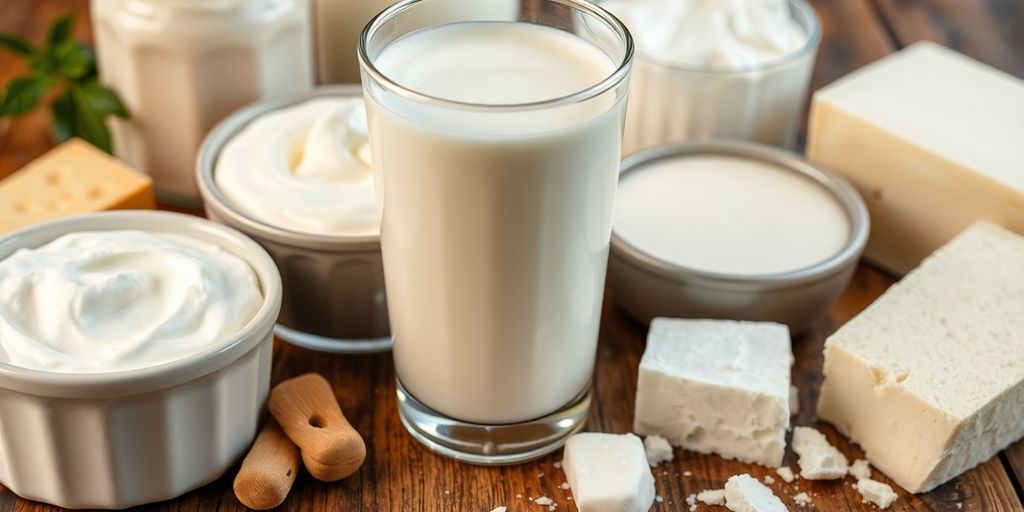
Sometimes you just don’t have heavy cream on hand, or maybe you’re looking for a lighter alternative. Luckily, there are several other dairy products that can step in, each with its own unique characteristics. Let’s explore some of these options.
Half-and-Half
Half-and-half is a simple mix of equal parts milk and cream. It’s a common substitute for heavy cream, especially when you want to reduce the fat content. It won’t whip into stiff peaks like heavy cream, but it works well in sauces and coffee. It’s readily available in most grocery stores, making it a convenient choice. It’s not as rich as heavy cream, so keep that in mind when using it in recipes where richness is key.
Evaporated Milk
Evaporated milk is milk that has about 60% of its water content removed. This gives it a slightly thicker consistency and a more concentrated flavor than regular milk. It can be a good substitute for heavy cream in cooking and baking, especially in recipes where you want a creamy texture without the extra fat. You can even whip chilled evaporated milk, though it won’t be quite as stable as whipped heavy cream. For a richer flavor, consider using whole milk evaporated milk.
Cream Cheese
Cream cheese might seem like an odd substitute, but it can actually work well in certain situations. It’s especially useful in recipes where you want a tangy flavor and a very thick texture. Before using it, make sure to soften the cream cheese and blend it well to avoid lumps. You can thin it out with a little milk or water to achieve the desired consistency. It’s great in things like creamy pasta sauces or even some desserts. For example, you can use it to make creamy pasta dishes that are both rich and flavorful.
Using alternative dairy products can significantly alter the final outcome of your dish. Always consider the flavor profile and texture you’re aiming for, and adjust your recipe accordingly. Experimentation is key to finding the perfect substitute for your needs.
Health Benefits Of Using Milk
Lower Caloric Content
Okay, so let’s talk calories. When you swap out heavy cream for milk, you’re making a pretty significant cut in calories. Heavy cream is, well, heavy on the calorie front. Milk, on the other hand, is much lighter. This can be a real win if you’re trying to keep an eye on your overall calorie intake without sacrificing the creamy texture in your favorite dishes. It’s a simple swap that can add up over time.
Reduced Saturated Fat
One of the biggest advantages of using milk instead of heavy cream is the reduction in saturated fat. Heavy cream is loaded with it, and while some saturated fat is okay, too much isn’t great for your heart. Milk, especially if you go for a lower-fat option like 1% or skim, has way less saturated fat. This is a smart move if you’re trying to be more heart-healthy. I’ve been trying to cut back on saturated fats myself, and this swap has been super helpful.
Increased Calcium Intake
Here’s a bonus you might not have thought about: milk is a great source of calcium. Heavy cream? Not so much. Calcium is super important for strong bones and teeth, and it plays a role in other body functions too. So, by using milk, you’re not just cutting back on bad stuff; you’re also adding in something good. It’s a simple way to explore healthier alternatives and boost your nutrient intake.
I’ve found that switching to milk has made a noticeable difference in how I feel. It’s not just about the numbers on the scale; it’s about making choices that are good for my body in the long run. Plus, knowing I’m getting extra calcium is always a good feeling.
Common Recipes Using Milk Instead Of Heavy Cream
Creamy Pasta Dishes
Okay, so you want creamy pasta without the heavy cream guilt? I get it. It’s totally doable! The trick is to build flavor and use thickening agents smartly. Instead of just pouring milk straight in, try a roux (butter and flour) or a cornstarch slurry to give it some body. Also, don’t be afraid to use flavorful cheeses like Parmesan or Romano – a little goes a long way in creating that rich, creamy vibe. Don’t forget to season well! Salt, pepper, and a pinch of nutmeg can really elevate the dish.
Rich Soups
Soups are another great place to swap milk for heavy cream. Think about it: creamy tomato soup, potato soup, or even a decadent butternut squash soup. The key here is to blend a portion of the soup to give it a naturally thicker texture. You can also add a dollop of Greek yogurt or sour cream at the end for extra richness and tang. Just remember not to boil the soup after adding the dairy, or it might curdle. Nobody wants that! For a dairy-free option, try using cashew cream – it’s surprisingly delicious and adds a lovely richness.
Decadent Desserts
Alright, let’s talk desserts. This is where things get a little trickier, but it’s still possible to make amazing desserts using milk instead of heavy cream. Puddings, custards, and even some cakes can be adapted. For puddings and custards, use whole milk for the best results and consider adding an extra egg yolk for richness. For cakes, you might need to adjust the amount of liquid and fat to maintain the right texture. And hey, don’t be afraid to experiment! Sometimes, the best recipes are the ones you tweak yourself. You can even try making homemade ricotta with milk for a lighter cheesecake filling.
Swapping heavy cream for milk is a great way to cut down on calories and fat without sacrificing flavor. It might take a little experimentation to get the consistency just right, but it’s definitely worth it in the end. Plus, you can feel good about making healthier choices without giving up your favorite comfort foods.
Tips For Cooking With Milk Instead Of Heavy Cream
Adjusting Cooking Times
When you’re swapping out heavy cream for milk, keep an eye on your cooking times. Since milk has a higher water content, things might take a little longer to thicken up. I’ve noticed that sauces, in particular, need a bit more time to reach that perfect consistency. Don’t rush it! Low and slow is the way to go. Also, remember that different types of milk will behave differently. Skim milk will take longer to reduce than whole milk, so adjust accordingly. If you’re using a thickening agent like flour or cornstarch, make sure to whisk it in thoroughly to avoid lumps. Nobody wants a lumpy sauce!
Monitoring Consistency
The consistency is key when using milk instead of heavy cream. You’ll want to keep a close watch on your dish as it cooks. Milk tends to be thinner than heavy cream, so you might need to adjust the amount of liquid you add. If your sauce is too thin, try simmering it for a bit longer to let it reduce. On the other hand, if it gets too thick, you can always add a splash more milk to thin it out. It’s all about finding that sweet spot. Here’s a quick guide:
| Situation | Action |
|---|---|
| Too Thin | Simmer longer to reduce |
| Too Thick | Add a splash more milk |
| Just Right | Keep stirring occasionally |
Flavor Enhancements
Since milk doesn’t have the same richness as heavy cream, you might want to boost the flavor a bit. Here are a few ideas:
- Add a pat of butter: This can help add some of that missing richness. Just a tablespoon or two can make a big difference.
- Use flavorful cheeses: A sprinkle of Parmesan or a dollop of cream cheese can add depth and complexity to your dish. Remember that you can use cream cheese in a 1:1 ratio.
- Incorporate herbs and spices: Fresh herbs like thyme or rosemary, or spices like nutmeg or paprika, can really elevate the flavor profile.
When using milk instead of heavy cream, consider adding a small amount of cornstarch or flour to help thicken the mixture. This will help mimic the texture of heavy cream and prevent the sauce from being too thin. Also, be careful not to boil milk for too long, as it can scorch easily. Stir frequently and use a low heat to avoid any mishaps.
Wrapping It Up
So, there you have it! Using milk instead of heavy cream can really save you some cash and lighten up your meals without sacrificing too much flavor. Whether you’re making a creamy pasta sauce or a rich dessert, there are plenty of ways to adapt your recipes. Just remember, you might need to tweak the amounts a bit or add a thickener like cornstarch to get that creamy texture. And hey, don’t be afraid to experiment with different types of milk or even yogurt. Cooking is all about finding what works for you. So next time you’re in the kitchen, give milk a shot instead of reaching for that heavy cream. You might just find a new favorite way to cook!
Frequently Asked Questions
Can I use milk instead of heavy cream in recipes?
Yes, you can use milk as a substitute for heavy cream in many recipes. Just keep in mind that it might not be as thick or creamy.
What is the best way to thicken milk for recipes?
To thicken milk, you can mix in a bit of cornstarch or flour. About one tablespoon per cup of milk should work well.
How can I make milk taste richer like heavy cream?
You can add melted butter to milk. For every cup of milk, use about a quarter cup of melted butter to give it a richer taste.
Are there other dairy options I can use instead of heavy cream?
Yes, options like half-and-half, evaporated milk, and even cream cheese can be good substitutes for heavy cream.
Is using milk healthier than using heavy cream?
Generally, yes. Milk has fewer calories and less saturated fat than heavy cream, making it a healthier choice.
What types of dishes can I make with milk instead of heavy cream?
You can use milk in sauces, soups, baked goods, and even in your coffee to replace heavy cream.