“This post contains affiliate links. As an Amazon Associate, I earn from qualifying purchases”
Taming flyaway hair is no small feat for many. These small, unruly tendrils prove to be quite unmanageable. Data indicates that frizz and flyaways are often signs of damaged or dry hair.
To amend this, a well-structured hair care regimen is required. Here are my top strategies to reign in those unruly strands and achieve sleek, smooth hair.
Initiate the process by employing a wide-tooth comb. This tool proves to be less harsh on your hair compared to other brushes. Following this, opt for microfiber towels for drying purposes, these are less abrasive compared to standard towels.
For hydration benefits, regular use of a superior quality hair mask is beneficial – it aids in controlling frizz.
Inclusion of a leave-in conditioner in your regimen is beneficial; it retains moisture throughout the day. A silk pillowcase could also substantially aid in preventing breakage while preserving smoothness during the night.
While styling, make sure to select products formulated specifically for frizzy hair, like serums or creams. These products help in maintaining those obstinate new-grown hairs and control static electricity without causing your hair to feel heavy.
Don’t overlook the basics: minimize the use of high heat appliances like blow dryers or straighteners, as they tend to inflict more damage over a long period.
Key Takeaways
- Use a wide-tooth comb and microfiber towels to avoid damaging and frizzing your hair.
- For quick flyaway control, apply serums or oils, and try using a dryer sheet.
- Sleep on silk pillowcases to prevent breakage and maintain smooth hair.
- Limit the use of heat styling tools. Choose ones with ionic technology for less damage.
- Keep your hair moisturized with deep conditioners, leave-in treatments, and products that fight humidity.
What Causes Flyaways?
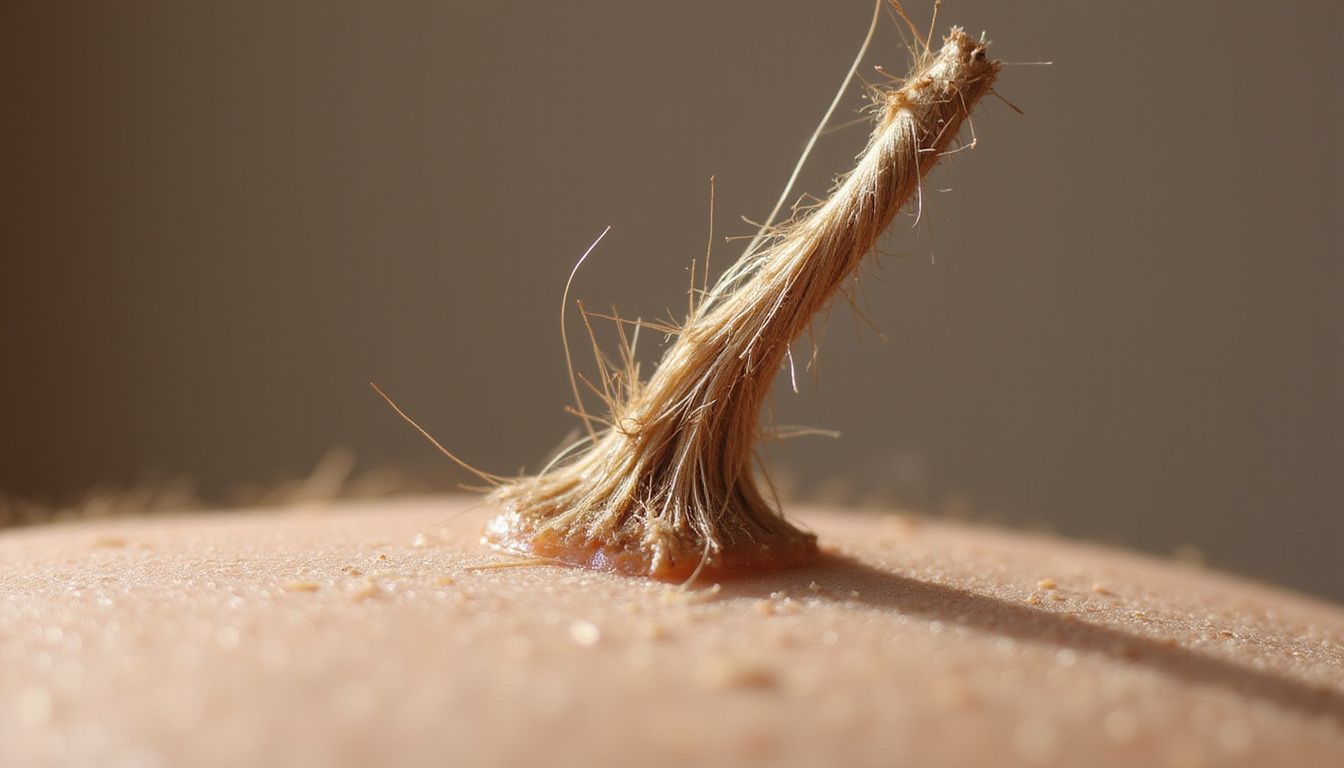
Dry hair often leads to frizz and flyaways because it pulls moisture from the air. Keeping your hair well-hydrated is essential. Damage, from split ends or breakage due to heat styling or rough handling when wet, makes strands stick out.
Static electricity also causes hair to stand on end, especially in winter months.
To fight flyaways, you need to know they come from dryness, damage, and static electricity.
Quick Fixes for Taming Flyaways
Taming flyaways can be simple if you know the right tricks. For a quick fix, try smoothing your hair with a little bit of hair smoothener or lightly rub it with something soft and thin like dryer paper.
Use a hair serum or oil
Using a hair serum or oil helps control flyaway hair and adds moisture. These products smooth the hair and repair frizzy or damaged areas. I find that a few drops after washing don’t make my hair greasy.
Finding the right one required testing different types. Natural ingredient serums are softer on my scalp and smell great. Before blow drying or styling, I apply a bit to manage baby hairs or split ends, keeping my style sleek all day.
Smooth flyaways with a dryer sheet
I tried a hair serum for frizzy hair but discovered a simpler trick. I used a dryer sheet on my hair to tame flyaways. The sheets combat static electricity, making them great for controlling frizz.
Dryer sheets quickly smooth out hair and leave it smelling fresh. They’re an easy and cost-effective solution that fits into my daily hair care routine, using items from around the house to manage static or humidity effects on my style.
Spritz an edge brush with hairspray
I found a trick to keep baby hairs in place. Using an edge brush and hairspray works well. First, spray the hairspray on the brush. Then, gently comb down flyaways. It’s quick and efficient.
This method became part of my daily hair care routine for combating frizz on humid days. A small step like this helps maintain sleek, controlled hair effortlessly.
Best Practices to Prevent Flyaways
To reduce flyaways and frizz, I use deep conditioners for hydration and sleep on a silk pillowcase to lessen hair friction. Products that fight humidity help keep my hair smooth when outdoors.
Hydrate your hair with deep conditioners
Keeping hair hydrated reduces flyaways. I use a weekly deep conditioning treatment. It locks moisture into the hair, making it smooth and less frizzy. My products have natural oils and hydration boosters like shea butter or argan oil.
Sleeping on a silk pillowcase keeps my hair moisturized. This switch fights dryness, which can cause split ends and breakage. Also, drying my hair with a microfiber towel instead of a rough cotton one decreases damage after washing.
These steps improve my hair’s health and shine while managing flyaways.
Sleep on a silk or satin pillowcase
I noticed improvements in my hair after switching to a silk pillowcase. Silk reduces friction, leading to less hair breakage and fewer split ends. My hair stays smoother too. A silk pillowcase is an easy addition to any hair care routine for those dealing with frizzy or dry hair.
Unlike cotton, silk doesn’t absorb moisture which helps maintain the natural oils in my hair. As a result, my hair feels softer each morning.
Use humidity-resistant hair products
Living in a humid place means normal shampoos and conditioners don’t work well. I found hair products that resist humidity. These include items labeled “anti-frizz” or “humidity control.” They prevent hair from becoming frizzy.
I also use leave-in conditioners and serums to fight humidity. Applying these to damp hair after a shower keeps my hair smooth and easy to manage, even on rainy days.
Styling Tips to Minimize Flyaways
To keep your hair smooth and free from those annoying flyaways, think about how you style it. Cutting back on tools that make your hair very hot can help, and when you do comb it, try using a wide-tooth one for less frizz.
Reduce heat styling or use ionic technology
Heat damages my hair, causing split ends and breakage. I limit using hot tools. When I do use them, I pick ones with ionic technology to keep my hair moist and reduce frizz.
I use a wide-tooth comb to gently untangle my hair. This prevents pulling and reduces flyaways.
Comb instead of brushing
After cutting down on heat styling, switching to a wide-tooth comb helped a lot. Brushes made my hair frizzy and broke it easily. The wide-tooth comb was gentler and didn’t damage my hair.
Using this method after washing my hair worked well when it was fragile. I used a microfiber towel instead of rubbing with a regular towel. This gently removed water without causing frizz or damage.
Then, using the wide-tooth comb, I could detangle without pulling too hard or breaking strands like brushes often do. This also reduced static electricity which usually makes flyaway hair worse in dry weather.
Conclusion
Taming flyaway hair is straightforward. I use serums or oils, and they work well. Sometimes, a dryer sheet smooths strands quickly. Keeping my hair hydrated stops these hairs from standing up again.
For styling, I prefer less heat and use wide-tooth combs to avoid damage. This approach keeps my hair smooth and controls flyaways effectively.
FAQs
1. What is flyaway hair and what causes it?
Flyaway hair refers to frizzy or baby hairs that stick out due to static electricity, damaged hair, or split ends. It’s often caused by hair breakage and lack of hydration.
2. How can I prevent flyaway hair?
Preventing flyaways starts with a good hair care routine. Using a wide-tooth comb instead of a brush helps reduce breakage. Also, drying your hair with a microfiber towel rather than an ordinary one can minimize damage.
3. Are there specific products that help control frizz?
Yes, certain products like frizz control serums and leave-in conditioners are designed to tame frizzy or flyaway hairs. Regular use of hydrating masks also keeps the strands healthy thus reducing chances for them to become unruly.
4. Can my sleeping habits affect my flyaways?
Absolutely! Sleeping on silk pillowcases can reduce friction which often contributes to damaged, dry locks leading to more flyaways.
5. Is there any hairstyle that hides my baby hairs effectively?
Yes, hairstyles such as updos and beehives can hide your baby hairs effectively while giving you a stylish look.