“This post contains affiliate links. As an Amazon Associate, I earn from qualifying purchases”
Getting rid of poison ivy in the backyard can be tough. I faced this issue and learned that urushiol oil in poison ivy causes the itch. I found effective ways to deal with it and will share them here.
Key Takeaways
- Wear long sleeves, pants, and gloves to protect against poison ivy’s itchy rash.
- Kill poison ivy using boiling water, pulling by hand, chemicals, covering with plastic sheets or homemade sprays.
- Clean all tools and clothes with soap or rubbing alcohol to remove the plant’s oil.
- Always throw away poison ivy in plastic bags. Do not burn it because the smoke is dangerous.
- Prevent regrowth by maintaining a healthy yard and using mulch barriers.
How to Identify Poison Ivy
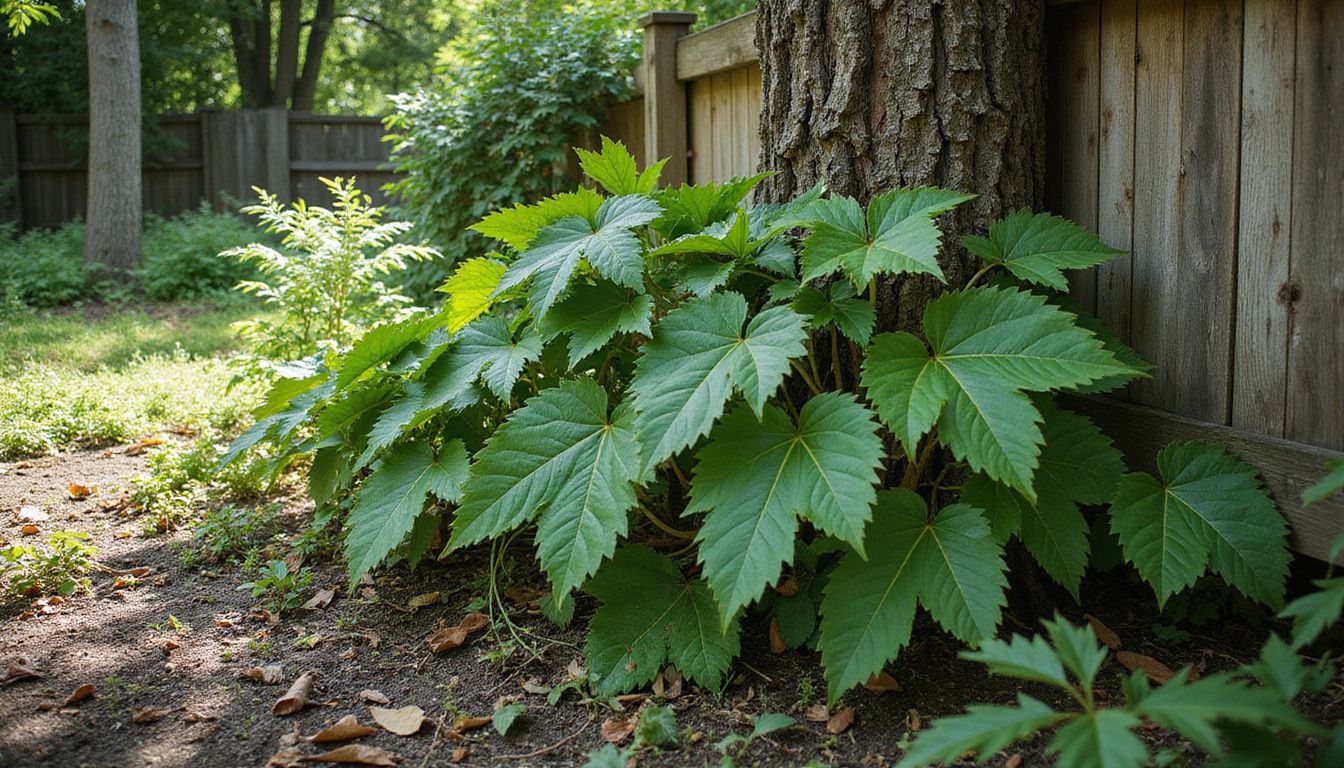
I keep my backyard safe by spotting poison ivy quickly. This plant blends in with other plants but has distinctive leaves of three on short stems connected to a larger stem. The leaf edges may be smooth or notched.
As seasons change, so does poison ivy. Its leaves start reddish in spring, turn green in summer, and become yellow, orange, or red in fall. White berries also appear. Poison ivy can grow low or climb trees and fences with aerial roots.
I stay alert for these signs to avoid contact with urushiol oil from the plant, which leads to an itchy rash known as contact dermatitis.
Methods to Remove Poison Ivy
I used many methods to remove poison ivy, including pulling it out by hand, applying homemade mixtures, chemical sprays, and boiling water. I always wore gloves and protective clothing for safety.
Pulling Poison Ivy by Hand
Poison ivy, recognizable by its three leaves and woody vine form, is a common intruder in backyards. Here’s my process:
- I recognize poison ivy by its distinct three-leaf arrangement.
- I prefer to work on cool, cloudy days to minimize the chance of spreading urushiol oil through perspiration.
- I ensure to wear long sleeves, pants, rubber gloves, and boots for protection.
- I try to extract the plant gradually to make sure the entire root system is removed, which hinders regrowth.
- I always avoid touching the plant directly, gloves on or not.
- I use tools like shovels or garden forks to dig around the roots without causing damage.
- I always clean my tools and gloves with soap and water afterward to remove traces of urushiol oil.
- I instantly clean any skin that might have come into contact with poison ivy, using rubbing alcohol or dish soap and water.
- I dispose of the plants straight away in a plastic bag once pulled from the ground.
By adhering to this method carefully, I’m able to safely rid my yard of poison ivy without triggering an itchy rash or allowing it to propagate.
Applying Chemical Treatments
I found chemical treatments to work well for getting rid of poison ivy. They can kill the plant, roots and all. Here’s what I did:
- Pick a herbicide meant for poison ivy, like glyphosate or triclopyr. It’s strong enough to take out tough plants.
- Always read the safety and mix instructions on the label to avoid any harm.
- Dress in protective gear: long sleeves, pants, rubber gloves, and boots protect skin from both chemicals and the plant.
- If necessary, mix the herbicide with water; some are ready-to-use while others are concentrates.
- On a windless day, spray the mixture directly on the poison ivy’s leaves and stems to avoid hitting other plants by mistake.
- After a few days, check if the plant is dead. Sometimes you might need more than one round of spraying.
- Keep everyone and pets away from areas where you’ve sprayed until everything is dry.
Now for boiling water as another way to deal with this invasive species:
Using Boiling Water
To get rid of poison ivy, use boiling water. This method avoids harsh chemicals.
- Boil a big pot of water based on the amount of poison ivy you need to remove.
- Wear long pants and boots for protection, then go to the poison ivy area.
- Pour the hot water over the poison ivy’s base to target the roots.
- You may need to repeat this process if the plant doesn’t die after the first try.
Boiling water can kill nearby plants too, so be careful where you pour it. This method works quickly by destroying both the plant and its roots. Always keep pets and children away when handling boiling water for safety.
Smothering the Plants
Dealing with poison ivy in my yard, I use a simple method without chemicals.
- First, I buy heavy-duty plastic sheets from the store. These cover the poison ivy well.
- Then, I lay the sheets flat over the poison ivy, ensuring no parts of the plant stick out.
- Next, I secure the edges of the sheets with rocks or bricks to keep them in place.
- I leave these sheets on for weeks or months to block sunlight and air from reaching the plants, which kills them.
- After a month, I check under the plastic. The plants should be brown and dry if they’re dead.
- Wearing gloves, I safely pull up any dead poison ivy. This avoids contact with urushiol oil that causes rashes.
- Finally, I clean all tools and gloves with dish soap and water to eliminate any remaining urushiol oil.
This approach keeps my yard free of poison ivy safely for pets and kids.
Using Homemade Weed Killers
Here are some homemade ways to kill poison ivy:
- Combine vinegar, salt, and dish soap. This mixture dries out the plant quickly. Use a gallon of white vinegar, a cup of salt, and a tablespoon of dish soap.
- Pour boiling water directly on the plants but be careful as it kills any plant it touches.
- Make a solution with baking soda for sensitive areas. Mix a teaspoon with a quart of water.
- Spray lemon juice on leaves when sunny. The acid plus sunlight destroys the leaves.
- Use rubbing alcohol in a spray bottle for small spots, but limit its use because it can harm soil.
- Spread cornmeal to prevent growth; it feeds fungi that compete with poison ivy.
Always wear protective gear like long sleeves, pants, and rubber gloves to avoid contact with urushiol oil from poison ivy which causes rashes. Clean all tools or clothes that might touch the plant with dish soap.
These methods help control poison ivy safely without harsh chemicals while taking care of my lawn.
Safety Tips for Handling Poison Ivy
When handling poison ivy, I wear protective clothing like long sleeves, pants, and rubber gloves to prevent direct contact with the plant.
Wear Protective Clothing
I learned wearing long sleeves, long pants, and rubber gloves is key for poison ivy removal in the yard. These items act as a barrier against urushiol oil, which causes itchy rashes from poison ivy contact.
Dressing this way helps avoid skin irritation.
After working with these plants, I wash my clothes in warm water and dish soap to get rid of any oil left on them. This has become an effective strategy to protect myself from the discomfort of poison ivy rashes.
Avoid Skin Contact
To stay safe from poison ivy, I wear protective clothing like long sleeves, pants, and rubber gloves. This plant has urushiol oil that causes a severe rash. If my skin gets exposed to it, I wash the area quickly with soap and water.
Rubbing alcohol also helps in removing urushiol oil from the skin. After handling poison ivy, I make sure to wash all tools and gloves to prevent spreading the oil. Shoes get cleaned as well since they can bring the oil inside.
Proper Disposal of Poison Ivy
To safely dispose of poison ivy, I wear gloves and long sleeves to avoid touching it directly. I place the removed plant into plastic bags for disposal. It is crucial not to burn poison ivy because the smoke can release harmful chemicals that may cause breathing issues.
Cleaning tools with rubbing alcohol or soapy water helps remove urushiol oil, preventing its spread in my yard or onto my skin later. This step is important for avoiding future contact with the oil that leads to an itchy rash.
Preventing Poison Ivy from Growing Back
After getting rid of poison ivy, I work to stop it from coming back. Keeping the grass and plants healthy in my yard helps. Poison ivy struggles to grow where other plants are doing well.
I mow regularly and plant new things in bare spots.
I pull up any new poison ivy sprouts right away.
I also use a pre-emergent herbicide at the start of the growing season. This prevents the seeds from sprouting. For hard-to-mow areas like fence lines and around trees, mulching works well for me.
Mulch stops sunlight from reaching the soil, preventing poison ivy growth.
Conclusion
Removing poison ivy from the backyard requires effort. I wear gloves and long clothing for protection. I pour boiling water on the plants, pull them out by hand, or use a weed killer that’s effective against poison ivy.
After killing the plants, I dispose of them safely to keep my yard clear of this irritating plant.
FAQs
1. What is poison ivy and how can I identify it in my backyard?
Poison ivy, or toxicodendron radicans, is a climbing vine with leaves of three. It often has white berries and grows along fence lines or riparian areas.
2. How can I protect myself while removing poison ivy?
To avoid an itchy rash or contact dermatitis from the urushiol oil in poison ivy, wear protective clothing like long sleeves, long pants, and rubber gloves when doing lawn care.
3. What are some effective methods for getting rid of poison ivy?
You can get rid of this plant by using boiling water on its roots or applying commercial herbicides to the foliage. Be careful not to mistake it for Virginia creeper (parthenocissus quinquefolia), another climber that’s harmless but looks similar.
4. Is burning poison ivy a good idea?
No! Burning poison ivy releases the urushiol oil into the air which could cause severe reactions if inhaled.
5. If I’ve touched Poison Ivy what should I do?
Wash your skin immediately with dish soap and cool water to remove any remaining urushiol oil to prevent developing a red, itchy rash – a sign of contact dermatitis caused by Poison Ivy exposure.
6. Are there natural remedies available if I get exposed to Poison Ivy?
Yes! Applying rubbing alcohol, sodium bicarbonate (baking soda) paste on affected area may help soothe itchiness after self-care measures such as washing thoroughly have been taken.