“This post contains affiliate links. As an Amazon Associate, I earn from qualifying purchases”
Handling lawn weeds can be a challenge. Some weeds, surprisingly, can distribute up to 250,000 seeds. This knowledge has led me to be more focused on weed management. This piece will explore all tactics, ranging from manual removal to the application of pre-emergent herbicides for a clean yard.
To start with, manual weed removal is effective but consumes a lot of time. A more efficient option would be pre-emergent herbicides. These are effective in preventing weed germination before it initiates.
Keep in mind the aim: an attractive, weed-free lawn. Employing suitable methods and being consistent substantially contributes to the success of lawn care and upkeep.
Key Takeaways
- Pull weeds by hand or with tools when soil is wet for complete root removal.
- Apply vinegar, baking soda, or boiling water as pet and child-friendly weed killers.
- Use mulch in your garden to prevent weed seeds from getting sunlight.
- For direct areas, pick herbicides that don’t hurt grass. Always check labels for safety.
- Maintain a healthy lawn through frequent mowing, aeration, and overseeding to deter weeds.
Identify the Types of Weeds in Your Backyard
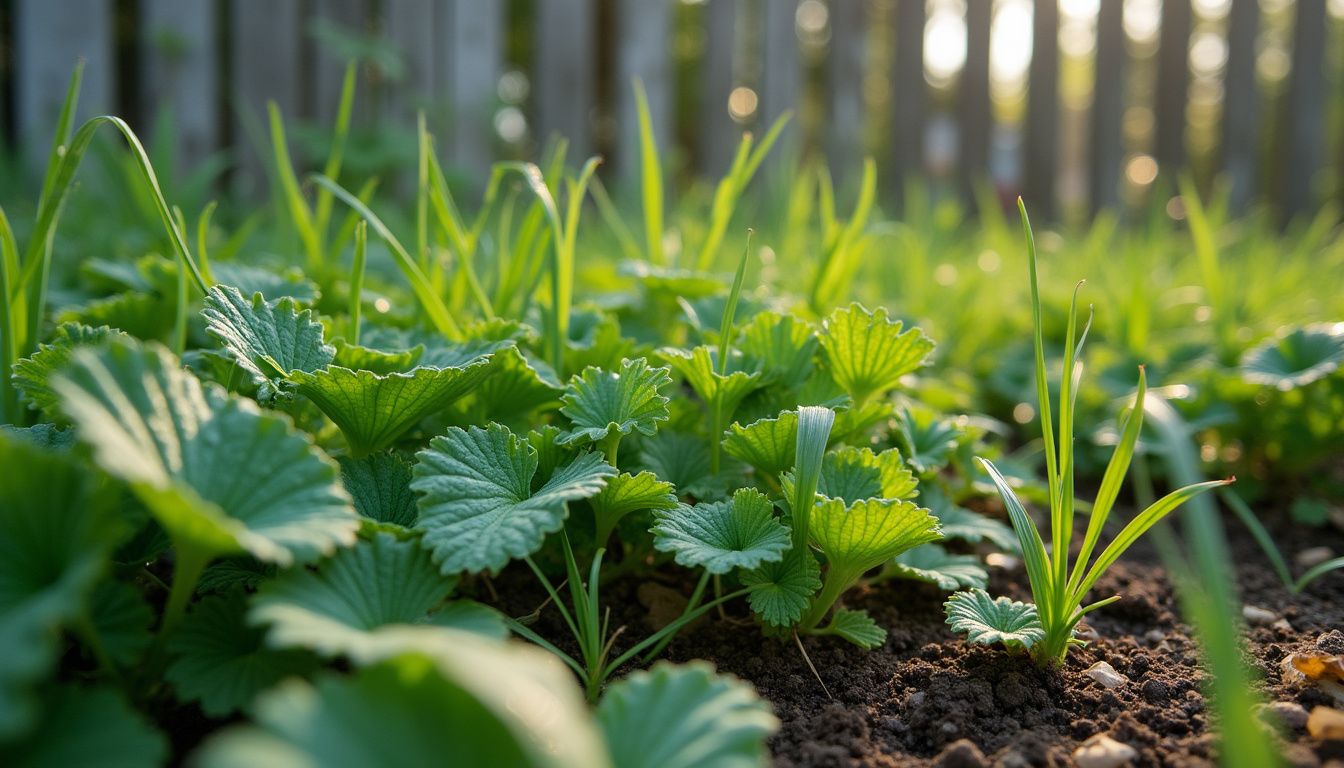
In my yard, I found two main types of weeds: broadleaf and grassy. Broadleaf weeds have wide leaves. Grassy weeds have narrow leaves. Dandelions and clover are types of broadleaf weeds.
Crabgrass is a type of grassy weed.
To remove these weeds effectively, I needed to identify them properly. So, I researched online and asked lawn care experts for advice. This helped me create specific plans to tackle each weed type in my garden.
https://www.youtube.com/watch?v=llvIXbXcc0o&pp=ygULI3dlZWRzdHlwZXM%3D
Manual Weed Removal Techniques
Pulling weeds by hand or with tools helps keep my lawn clean and prevents them from growing back quickly.
– I use the right techniques for weed control to save time.
– Quick action stops weeds from returning fast.
Hand-pulling weeds
I pull weeds by hand when the soil is wet. Wet soil makes it easy to remove the whole root, so weeds don’t come back fast. The best time for this is after rain. This method stops weed seeds from spreading in my yard.
Using weeding tools also helps me manage weeds better.
Using weeding tools effectively
A hoe is my favorite for cutting down tough, grassy weeds. It works fast in the backyard. For deep-rooted weeds like dandelions, I use a dandelion digger because it pulls them up without hurting the grass.
A flame weeder is good for hard spots or big areas but must be used carefully to keep other plants safe and lower fire risk. Always follow instructions with new garden tools.
Best times for manual weeding
Pulling weeds early in the morning works best. The damp soil from dew makes it easy to remove the entire root. After rain is also a good time because wet soil releases roots easily.
Pulling weeds before they bloom prevents seeds from spreading.
I use a hoe or trowel to make weeding faster and easier on my hands. These tools help remove tough weeds. Regular weeding keeps my garden neat and slows down weed growth. It’s important to choose the right time and tool for effective weed control.
Natural Weed Control Methods
I use natural ingredients like vinegar, baking soda, and salt to control weeds in my yard. These methods are eco-friendly and affordable:
– Vinegar acts as a natural weed killer.
– Boiling water kills weeds on contact.
– Baking soda can prevent weed growth.
– Salt helps kill tough weeds.
Vinegar application
Vinegar kills weeds effectively because it contains acetic acid. It’s an excellent choice for a natural weed killer. But, I need to be careful where I spray it—it could damage desirable plants.
For the best effect, applying vinegar on a sunny day speeds up the process.
Most people opt for white vinegar mixed with water in a spray bottle to tackle unwanted weeds directly. Important to avoid spraying when rain might wash away the solution soon after application—rain reduces its effectiveness against lawn weeds like dandelions and crabgrass, especially around lawns or paving stones.
Pouring boiling waterBoiling water kills weeds quickly. I boil it and pour directly on unwanted driveway or walkway weeds. This method burns the plants and their roots, causing them to die. It’s safe around pets and kids because it doesn’t use chemicals.
Care is needed to not hurt myself or desired plants. Sometimes, tough perennial weeds might need more than one treatment to fully disappear.
Sprinkling baking soda
Switching methods, I also use baking soda to fight weeds. I lightly sprinkle it on areas where weeds often show up, like driveway cracks or paths. Baking soda makes the ground less welcoming for weed growth.
A tip from a friend: spread just a little over large spaces to protect my plants but still hit the weeds hard. This approach is easy — no tools needed, just baking soda and my hands.
It helps me keep the yard tidy with minimum effort.
Using salt in targeted areas
I found that table salt kills weeds well. I use it sparingly, only where weeds are a real issue, to avoid soil damage.
I sprinkle a bit of salt at the weed’s base, mainly on sidewalks or driveway edges where no plants should grow. Salt prevents the weed from getting water, causing it to dry out and die.
This keeps those areas free of weeds without harming nearby garden plants or grass.
Mulching as a Weed Barrier
Mulching helps keep those unwanted plants away. It acts like a blanket on the soil, blocking light and stopping weeds from growing.
Types of mulch to use
I use mulching to fight weeds and boost soil health in my backyard. Organic mulches like shredded bark, straw, and compost work best for me. They block sunlight from reaching weed seeds and enrich the soil as they break down.
For tougher areas, I combine rubber mulch or landscape fabric with stones or gravel pathways. This mix effectively stops weeds and keeps the area clean.
Proper application of mulch
To control weeds, spreading mulch is key. I choose organic matter, such as shredded bark or straw. I spread it around plants and on the soil about 2 to 4 inches thick. This blocks light from reaching weed seeds, stopping their growth.
I avoid letting mulch touch tree trunks or plant bases to prevent rot and diseases. Mulching helps keep the soil moist and healthy, which supports plant growth and prevents weeds.
Chemical Weed Control Options
To tackle stubborn lawn weeds, I use chemical weed killers. These products fall into two categories:
– Selective herbicides target only the weeds, sparing the grass.
– Non-selective herbicides kill every plant they contact.
Selective vs. non-selective herbicides
In my garden, I discovered two main kinds of weed killers. Selective herbicides target only certain types of weeds, like broadleaf and grassy weeds, without harming the grass. This makes them perfect for dealing with dandelions and clover while keeping your lawn looking good.
On the other hand, non-selective herbicides kill almost all plants they come into contact with. They’re ideal for clearing out large areas where you plan to start a new garden or lawn from scratch.
I once used a non-selective herbicide to clear a section in my yard overrun by invasive species. It’s key to use these chemicals carefully to prevent harm to desired plants around the area.
Using pre-emergent herbicides
I learned to use pre-emergent herbicides before weeds appear. These stop weed seeds from sprouting by creating a barrier in the soil.
I use a drop spreader for even coverage across my lawn, best done in early spring or fall. This timing is crucial because the soil temperature should be below 55°F to prevent crabgrass.
Doing this kept annual weeds out of my backyard all season.
Applying post-emergent herbicides
After weeds appear, I use post-emergent herbicides. There are two types: contact and systemic. Contact herbicides kill the parts they touch. Systemic herbicides are absorbed by the weed and kill it from the inside.
Choosing the right type is important.
For broadleaf weeds in my lawn, I choose a selective herbicide that doesn’t harm my grass. Reading labels carefully prevents damage to desired plants. Wearing gloves and masks is essential for safety.
The best time to apply these chemicals is when weeds are growing actively.
Preventative Measures to Keep Weeds Away
To keep weeds out of your yard, start with these steps:
– Cut the grass regularly and care for your lawn to prevent weed growth.
– Aerate the soil by making holes and reseed often to improve air flow and soil health, making it hard for weeds to take hold.
– Choose ground-cover plants that block weeds from sprouting.
Regular mowing and lawn maintenance
I mow the grass often to stop weeds. Tall grass blocks the sun that weeds need. I make sure my mower is at the right height, so it cuts the grass perfectly.
Lawn care is key for me too. Aeration lets air and water get to the roots. This keeps my lawn healthy and helps it fight weeds with less weed killer needed.
Aeration and over-seedingAeration involves poking small holes in the soil to let air, water, and nutrients reach the grass roots. It breaks up compacted soil, allowing roots to grow more easily. I used an aerator tool last fall and saw my lawn become greener.
After aeration, overseeding involves spreading new grass seeds over existing turf. The seeds then make good contact with the soil through the holes made by aeration. Last year, I mixed cool-season grass seeds and spread them across my yard in early fall.
New sprouts appeared in a few weeks. This method helps fight off patchy grass and weeds, encouraging thick growth that can resist weeds better.
Planting ground covers
I plant ground covers like creeping thyme and sweet woodruff to prevent weeds. These plants grow low, spread wide, and block sunlight from reaching the soil, which stops weed growth.
Plus, they make the garden look nice.
Ground covers also mean I do less weeding. They keep moisture in the soil and improve soil health over time. Next, smothering weeds helps stop them from growing too.
Smothering Weeds to Stop Growth
To control weeds, I block their access to sunlight and air. Here’s how:
– Use landscape fabric or newspaper layers on the ground. This method kills weeds by cutting off light and air.
Using landscape fabric
I used landscape fabric in my backyard for weed control. It blocks sunlight, stopping seeds from growing into weeds. First, I cleared the ground of weeds and debris. Then, I laid the fabric over the area and secured it with garden staples.
I cut holes for desired plants to keep my garden tidy while preventing unwanted growth. This method has significantly reduced my weed control efforts.
Layering with cardboard or newspaperLayering with cardboard or newspaper stops weeds in my garden. First, I cover the ground with cardboard or newspaper, making sure they overlap to block gaps where weeds could grow.
Then, I put mulch on top. This method blocks weed growth and improves soil health as the cardboard decomposes, adding nutrients back into the soil. It’s a simple and affordable way to manage weeds without needing special tools.
Just used old newspapers and boxes from around the house. It’s effective for weed control and supports a healthy garden ecosystem.
Conclusion
Clearing weeds from my yard is a task I can manage. First, I identify the types of weeds — either broadleaf or grassy ones. Then, I pull them directly or with tools. Vinegar, an organic herbicide, is my go-to for not harming my lawn.
When needed, selecting an effective weed-killer helps me in tougher situations. Regular lawn care prevents new weeds from growing. This includes actions like deep watering and lawn fertilization to maintain soil health.
FAQs
1. What is the first step to get rid of weeds in my backyard?
The first step is weed identification. Knowing if you have broadleaf weeds, grassy weeds, perennial or annual weeds can help you choose the right weed control methods.
2. Are there natural ways to kill lawn weeds?
Yes, many gardeners use organic herbicides like vinegar weed killer made from acetic acid or apple cider vinegar. Flame weeding using a propane tank can also be effective for some types of weeds.
3. How does soil health affect weed growth?
Weeds often thrive in poor soil conditions where your desired plants struggle. Improving soil nutrition and reducing compaction through practices like deep watering and lawn aeration can help prevent weed germination.
4. Can I stop new lawn weeds from appearing?
You sure can! Pre-emergent herbicides are used to prevent weed seeds from sprouting while selective herbicides target specific types of existing weeds without harming other plants.
5. Is there any way to physically block out the sunlight that aids in the germination of these annoying invaders?
Absolutely! Landscape fabric is an option that blocks sunlight reaching the root systems thus preventing them from decomposing into fertile soil which could further encourage more unwanted guests!
6. What’s tilling and how does it aid in controlling these pesky intruders?
Tilling involves turning over your soil; this action brings those hidden weed seeds onto surface exposing them to elements causing their demise before they even get a chance to fully mature!