“This post contains affiliate links. As an Amazon Associate, I earn from qualifying purchases”
I was surprised to learn that parvo can live in soil for up to a year. This virus poses a real threat to our pets. My research showed me how to deal with it outdoors. I want to share these steps with you so your yard stays safe for all pets.
First, I found out Clorox has sodium hypochlorite, which kills the parvo virus effectively. It’s important for pet owners and animal shelters alike. The right contact time and concentration are key for its disinfectant power.
Sunlight also helps reduce the virus’s lifespan outside because it speeds up the breakdown of the virus on surfaces like grass.
For larger areas, using a hose-end sprayer makes applying disinfectants easier and more efficient.
Safety comes first – always pick cleaning solutions that won’t harm your pets.
In short, tackling canine parvovirus outdoors needs careful use of effective products like bleach and paying attention to application methods and pet safety measures.
Key Takeaways
- To kill the parvo virus, clean all dog waste and use a bleach solution on hard surfaces.
- For wood decks or similar areas, apply special cleaners. Always wear gloves and shoe covers to prevent spreading the virus.
- Disinfect your yard with a hose-end sprayer for uniform coverage. Exposure to sunlight can also help eliminate the virus.
- If soil is contaminated, replace it to keep pets safe.
- Vaccinate pets against parvovirus and regularly clean outdoor spaces to stop future infections.
Steps to Eliminate Parvo from Your Backyard
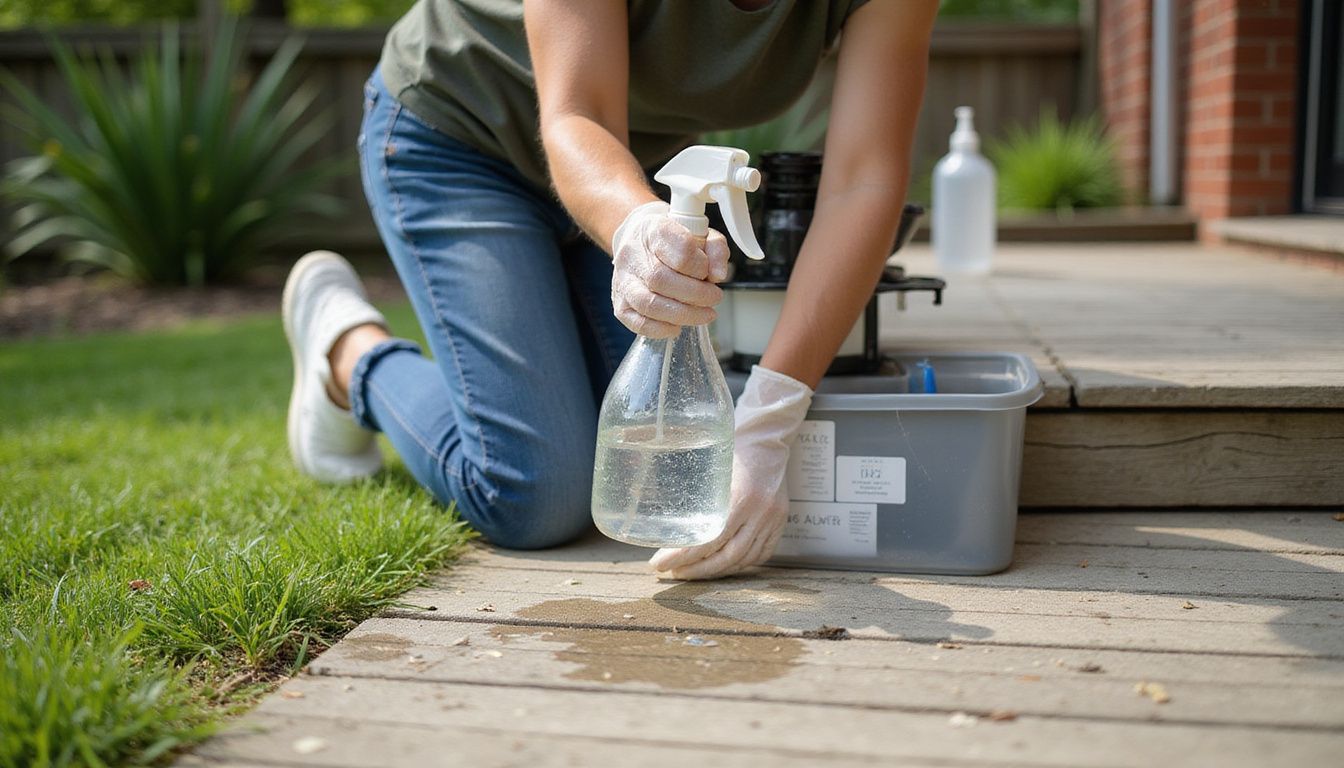
Getting rid of parvo in your backyard starts with cleaning up all the mess. This means picking up and throwing away any waste, like poo and throw-up. Next, you’ll want to use a mix of water and bleach to clean hard places that can’t soak things up, like patios or dog kennels.
For parts of your yard that do soak things up, like dirt paths or wooden decks, you need special cleaners made just for them. You also have to wear gloves and shoe covers so you don’t spread the virus around while you’re cleaning.
Remove all contaminated waste, including stool and vomit
First, I clean up all the dog messes outside. I pick up any dog poop and throw-up. This helps stop canine parvovirus from spreading. I wear gloves and securely bag everything before disposal.
Next, I start cleaning hard surfaces like patios or walkways with diluted household bleach. I’m careful to mix it properly to avoid harming plants or animals. Proper dilution is key for pet safety and preventing disease transmission.
Disinfect hard surfaces with a diluted bleach solution
I had to deal with parvo in my yard. I used a diluted bleach solution on hard surfaces. Sodium hypochlorite, also known as chlorine bleach, is effective against canine parvovirus. I mixed one part of chlorine bleach with 30 parts water for a safe yet strong disinfectant.
This mixture kills the virus on patios and walkways.
I sprayed the mix on needed areas and waited; contact time boosts disinfectant efficacy. Keeping the mix on surfaces for up to 10 minutes before rinsing kills more germs.
Always read labels and mix carefully.
Treat porous surfaces with specialized disinfectants
Wood decks and lawn furniture absorb germs. Chlorine dioxide, found in carpet cleaners, is effective on these porous surfaces. It eliminates the parvo virus without damage.
Products with hydrogen peroxide or benzalkonium chloride are also useful. They are safe for pets once dry. Mixing these as instructed and applying them to various surfaces can remove stubborn viruses.
This keeps outdoor areas safe for pets.
Avoid spreading contamination by wearing disposable gloves and footwear covers
I always wear disposable gloves and boots when I clean the yard to protect myself from canine parvovirus. A vet explained that the virus can easily spread, so covering up is key to prevention.
These protective items act as a barrier against infection, making cleanup easier. I simply dispose of the gloves and boots after use, eliminating the risk of carrying germs indoors.
Best Cleaning Solutions for Parvo
Bleach, with sodium hypochlorite, and cleaners with accelerated hydrogen peroxide are effective against canine parvovirus. Products specifically for yards also fight Parvo, keeping pets safe.
Bleach-based solutions
I mix water with sodium hypochlorite, which is just common household bleach, to fight against canine parvovirus on hard surfaces. Getting the mixture right matters—a balance so it’s not too harsh for plants but strong enough to kill the virus.
A good ratio is one part bleach to 30 parts water.
Sodium hypochlorite kills canine parvovirus effectively.
Wearing gloves is a must, and I keep pets away during cleaning. The solution needs around 10 minutes to work properly before rinsing it off. To cover large areas like patios and walkways, I use a hose-end sprayer filled with the bleach solution and spray thoroughly to ensure complete coverage.
Accelerated hydrogen peroxide cleaners
Accelerated hydrogen peroxide cleaners are effective against tough germs like the canine parvovirus. They act quickly and leave little harmful residue, which is safe for pets once dry.
This feature allows pets to roam freely without risk.
To use these cleaners correctly, follow the specified contact time on the label. Contact time is essential for ensuring complete virus elimination, including non-enveloped viruses such as parvovirus.
These products don’t harm grass or plants, making them ideal for yard cleaning. Using accelerated hydrogen peroxide helps keep my yard clean and safe without damaging the environment or posing a risk to my pets.
Commercial parvo disinfectants
Commercial parvo disinfectants often use quaternary ammonium compounds. These are effective against the virus on surfaces. Following the product instructions closely improves their effectiveness.
During a parvo outbreak in my backyard, I used these disinfectants to clean up. I sprayed everywhere, especially where my dog liked to hang out. These cleaners work well and are safe for pets after they dry.
Yard Treatment Techniques
To eliminate parvo from your backyard, it’s essential to use an effective approach. Here’s what I do:
– I apply disinfectant with a hose-end sprayer to ensure wide coverage.
– I let the yard have lots of sunlight, as it helps kill the virus.
– If the soil is highly contaminated, I replace it to ensure a clean environment for my pets.
Spray the yard with a disinfectant solution
I had canine parvovirus in my backyard. This virus can linger in soil for a long time. I learned that using a disinfectant solution is crucial to tackle it. I mixed bleach, or sodium hypochlorite, with water carefully.
The right mixture is vital to kill the virus while keeping plants and pets safe.
Then, I used a hose-end sprayer I bought from the store. It helped me apply the solution evenly across my yard. Sunlight exposure also aids in killing off any remaining virus particles.
So, I chose a sunny day for added effectiveness.
Keeping my pets safe was very important during this process. They stayed inside until the yard was completely dry after treatment.
Use UV sunlight exposure to kill remaining virus particles
Sunlight kills canine parvovirus in the yard. UV rays break down the virus. To ensure sunlight reaches everywhere, I trim trees and bushes that create shade.
Rearranging things allows more sunlight into usually shaded areas. Watering less prevents giving the virus a damp place to live longer. After using bleach or commercial disinfectants for cleaning, drying those spots in direct sunlight adds protection against parvo.
Remove and replace affected soil if necessary
When canine parvovirus hits the yard soil, removing and replacing it is key for pet safety. I identify where sick pets have been, focusing on areas with feces or vomit. Carefully, I remove this contaminated soil to eliminate any lingering virus.
Wearing gloves and boots is crucial to prevent spreading the infection further. Adding new soil helps ensure a safe environment free from the virus, protecting dogs from future infections.
Preventing Future Parvo Contamination
To protect my yard from canine parvovirus, I clean outdoor areas frequently and ensure my pets receive their vaccine boosters for optimal health. This approach minimizes their risk of reinfection.
– I wear gloves and use disinfected tools to prevent the spread of the virus while working outside.
Regularly disinfect outdoor areas
I clean my yard often with a mix of bleach and water, using hose-end sprayers for even coverage. This is key to fighting canine parvovirus, which can survive outside for months. Sunlight also kills virus particles left after cleaning.
For pet safety, I wait until the area is dry before letting pets out. Regular vaccinations help reduce parvo risk in pets. Following these steps helps keep the backyard safe from the disease.
Vaccinate pets to reduce infection risks
To reduce parvo risks in backyards, vaccinating pets is critical. Vaccines lower the risk of diseases like parvovirus. Puppies start getting shots weeks after birth. They receive a series of injections over months to strengthen their defenses.
“Vaccination is our best defense against parvovirus.”
This protects not just one pet but all animals in the area. Each booster shot strengthens this protective shield. Modern vaccines provide strong protection with minimal side effects such as myocarditis and do not harm the immune system much.
Avoid contact with infected animals
After my pets got their vaccines to prevent canine parvovirus, I made sure to keep them away from potentially sick animals. This involves avoiding contact with unfamiliar dogs during walks.
A dog in our neighborhood caught the virus, spreading it quickly.
To minimize risks, I chose walking routes with fewer dogs and organized playdates only with known, vaccinated dogs. This strategy helps protect against vaccine-induced immunity failures and reduces fomite transmission among pets.
Such precautions are vital for pet safety and help maintain immune function in our furry friends.
Conclusion
To tackle parvo in your backyard, start by cleaning up any waste like feces and vomit. Next, apply bleach or similar potent cleaners to areas you can easily wash. For absorbent surfaces, use specific sprays designed to eliminate the virus.
I make sure to wear gloves and shoe covers to prevent further spread. Thoroughly cleanse the area, then disinfect the yard with a hose-end sprayer for even coverage. Sunlight also plays a crucial role in destroying any remaining virus particles.
In cases where soil contamination is severe, replacing it might be necessary. Regular cleaning and ensuring pets are vaccinated help keep the backyard safe from parvo recurrence.
FAQs
1. What is canine parvovirus and how does it spread?
Canine parvovirus, a highly infectious disease in dogs, spreads mainly through the fecal-oral route. It’s critical to understand its mode of transmission for effective prevention.
2. How can I get rid of parvo from my backyard?
You can use a hose-end sprayer with a cleaning solution containing sodium hypochlorite or clo2. It’s important to allow sufficient contact time for disinfectant efficacy.
3. Does sunlight exposure help in eliminating parvo?
Yes, sunlight exposure aids in reducing the virus levels but should not be relied upon solely as it may not eradicate all traces of the virus.
4. Can vaccines protect my pet against canine parvovirus?
Vaccines have shown efficacy in triggering an immune response against this virus; however, puppies may still be susceptible due to maternal antibodies interfering with vaccine effectiveness.
5. Is there anything else I need to consider for pet safety concerning parvo?
Regular veterinary practices are vital along with immediate attention to any signs like inflammation which might indicate infection by diseases such as canine parvovirus.