“This post contains affiliate links. As an Amazon Associate, I earn from qualifying purchases”
Walking in my backyard often reveals signs of rodents. Small holes and tiny footprints show they dig and wander around. I also spot gnaw marks on wood or plants because they chew constantly.
Rat droppings near food sources or shelter spots are noticeable, with dark pellets indicating their presence.
Chewed wires or damaged outdoor furniture signal they’re settling in. When bird feeders empty quickly, it’s likely due to them eating the seeds meant for birds. Noises from under the deck or missing pet food overnight confirm unwanted visitors.
These clues help me tackle rodent control by identifying rat infestation areas and potential food sources attracting them.
Why Rodents Are Attracted to Backyards
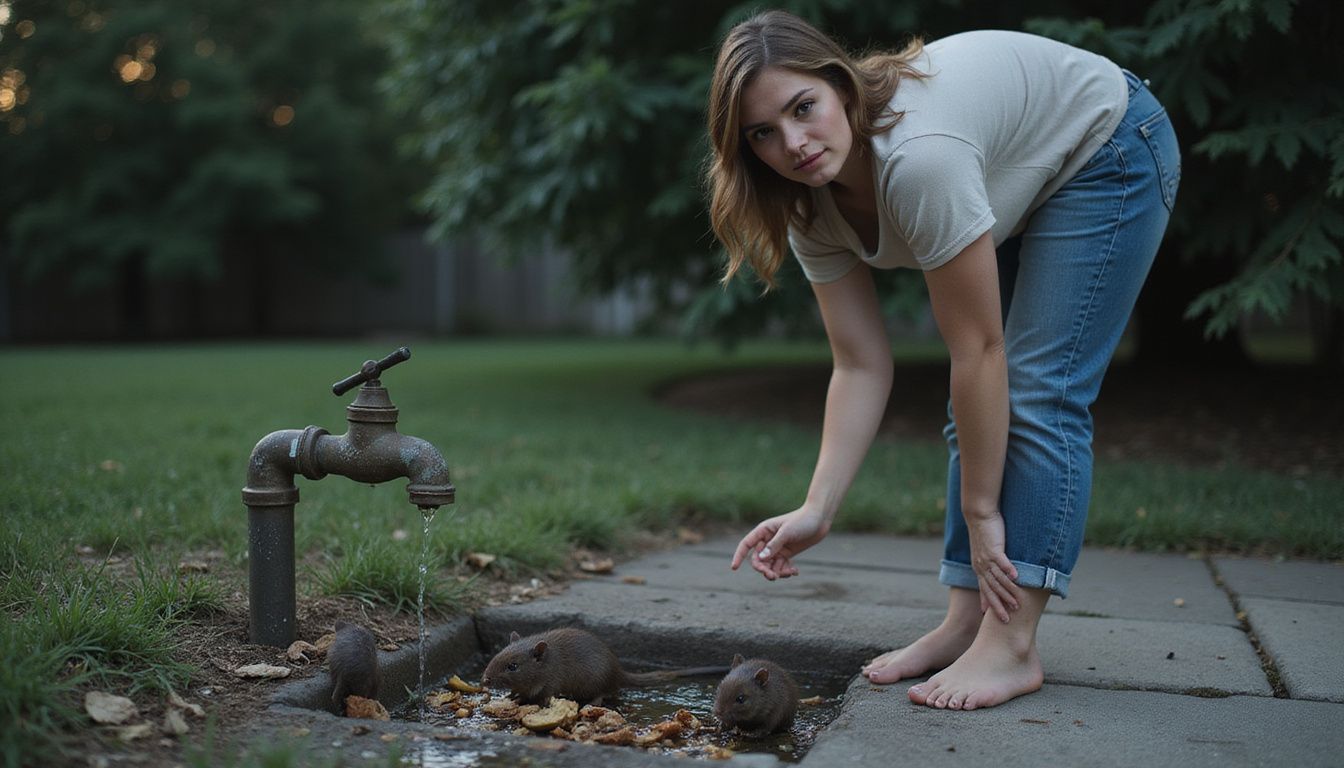
Rodents come to our backyards for simple reasons. They look for food, places to live, and water.
Food Sources
My backyard attracted many rodents because of bird feeders, pet food, and compost piles. Bird watchers like me didn’t realize that seeds falling from feeders invite rats and mice. Leaving dog food outside was almost asking rats to come for a meal.
And my compost pile? It was a feast for them.
To tackle this rat problem, I took several steps. First, I hung bird feeders out of rodent reach. Then, I stopped leaving pet food outside overnight. Finally, securing my compost in bins helped keep the rodents away from what they thought was an easy snack spot.
Shelter and Nesting Spots
In order to deter rodents, one should control food sources and also handle potential hideouts and nesting areas. Pests like rats find tall grass, stacks of wood, and clutter as perfect hiding spots.
One can typically find rat burrows near compost heaps or underneath debris, which indicates they’ve established a residence in the vicinity. To counter this, I maintain a regimen of trimming tall grass and placing wood storages above the ground.
Maintaining a tidy yard is crucial. Rodents scout for secure nesting areas that are concealed from predators such as domestic cats and birds that hunt. Clearing out obsolete items and reducing shelter options discourage their stay.
Blocking access points to sheds or garages contributes to rodent prevention as it restricts their entry. This strategy restricts the rodent’s shelter while also enhancing the visual appeal of the yard.
Water Availability
Rodents are attracted to places where they can easily find water. A leaky faucet or pipe and standing water in the yard are perfect for them. Empty any containers that catch rainwater and fix leaks to make your area less inviting.
Regularly check your yard for water buildup. This helps keep rodents away by removing their access to water sources.
Effective Methods to Eliminate Rodents
To keep rodents away, seal holes and remove their access to food and water in your yard.
– Seal up any holes to prevent entry.
– Eliminate food sources by securing pet food and keeping compost areas clean.
– Remove standing water by fixing leaky faucets and clearing out water containers.
– Maintain a tidy yard by cutting tall grass and organizing wood piles to discourage rodent hiding spots.
Seal Entry Points
I start by checking my house for small gaps or holes. Mice can fit through spaces as small as a dime, and rats only need a quarter-sized hole. I look around doors, windows, and where pipes enter the house.
Filling these gaps with steel wool or caulk stops them from getting inside.
Next, I ensure vents are covered with metal screens. Rodents chew through plastic or rubber easily, so metal is important to keep them out of hiding places.
Rodent control starts with blocking their entryways.
Remove Food and Water Sources
To keep rodents away, I store pet food inside and ensure bird feeders don’t spill seeds. Fixing leaky faucets and removing standing water cuts their water supply. In my backyard, covering compost piles and picking up fallen fruit helped reduce rat and mouse signs.
Sealing trash bins tightly prevents rats from accessing leftovers.
Clear Debris and Clutter
I always clean up the yard first. Removing wood piles, cutting tall grass, and clearing clutter prevent rodents from finding hiding spots. I faced a rat problem when they nested in an old branch pile.
Clearing that reduced the number of rats.
Checking for rodent burrows near the garden or house is next. Filling these holes stops them from coming back. Keeping compost piles organized and far from the house also cuts down on pests.
After noticing mice by my compost bin once, I now maintain cleanliness outside to deter pests further.
Use Traps and Baits
After cleaning up debris, I set snap traps for Norway rats and house mice. Peanut butter on these traps works well. For garden pests like pocket gophers, using dry ice in burrows is effective and safe around pets.
These methods help control rodents without needing pest control services.
Natural and Humane Rodent Control Solutions
For keeping mice and rats away without harm, think about planting certain herbs in your yard. These plants smell strong to rodents and can make them stay away. You can also find pet-safe sprays that won’t hurt your furry friends but will keep the rodents at bay.
Planting Repelling Vegetation
I learned that plants can deter rats and mice. Mints, especially peppermint, work well for this purpose. Rodents dislike the smell of certain herbs, so I added them to my garden along with mints.
These plants have strong smells that keep pests away.
Choosing pet-safe rat repellents was also a smart decision.
Using Pet-Safe Repellents
To protect my pets, I use rodent repellents that are safe for them. I prefer a spray with natural oils, like peppermint oil. It keeps rodents away because they don’t like the smell, but it’s safe for dogs and cats.
I also spread crushed pepper flakes in areas where rodents might enter. This method doesn’t affect birds but deters mice effectively.
For extra protection, it’s important to remove hiding spots in the yard.
Preventing Future Rodent Infestations
Keep your yard tidy to prevent rats and mice. Cut tall grass, secure trash cans, and eliminate water sources like standing water or leaky faucets.
Regular Yard Maintenance
To keep rodents away, I make sure my yard is tidy. Cutting tall grass and trimming bushes removes hiding spots and nesting areas for rats. Regularly mowing the lawn prevents them from settling in.
I also secure trash and compost bins tightly. Rodents are attracted to the food waste in garbage and compost. By locking these bins, I eliminate easy food sources for rats in my backyard, reducing rat infestations significantly.
Securing Trash and Compost Bins
I secure my trash and compost bins with lids to prevent rats and other rodents from accessing them. This step also stops them from making a mess and attracting more pests. Sealing food waste in strong bags before throwing it away helps too.
Regularly cleaning the bins reduces smells that lure in rodents. Mixing the compost often and covering it minimizes pest access, benefiting my garden as well.
Conclusion
To tackle a rat problem in the backyard, start by looking for signs like rat droppings. Remove food and water sources to deter them. This means cleaning bird feeders and fixing leaky faucets.
Also, get rid of hiding spots by cutting tall grass and removing wood piles. Rat traps baited with peanut butter are effective too. For pet owners, use safe rat repellents or plant things rats dislike.
Keep your yard clean and bins sealed to prevent future infestations.
FAQs
1. What steps can I take to get rid of rodents in my backyard?
To get rid of rodents, you need a comprehensive pest control strategy. This includes removing food sources like bird feeders and pet food, fixing leaky faucets to eliminate water sources, and clearing compost piles or wood piles where rats might hide.
2. How effective are rat traps for rodent control?
Rat traps such as snap traps with peanut butter bait can be highly effective for tackling a rat problem. However, always remember to place them out of reach from pets and children.
3. Are there signs I should look for that indicate a rat infestation?
Yes! Look out for signs like rat droppings, chewed wires or furniture, and rodent burrows in your yard. If these are present – it’s time to call pest control services.
4. Can garden maintenance help with rodent control?
Absolutely! Keeping tall grass trimmed and eliminating standing water helps deter rodents by reducing their hiding spots.
5. Are there any natural methods I can use instead of rodenticides?
Indeed! There are many rodenticide-free methods available such as using flashing aluminum phosphide or certain aromas that rats dislike like mint or citrus!
6. When should I consider hiring an exterminator?
If you’ve tried the above measures but still see signs of an ongoing rat problem – including continued sightings, fresh droppings or damage – it may be time to bring in professional exterminators who specialize in pest management.