“This post contains affiliate links. As an Amazon Associate, I earn from qualifying purchases”
If you’re trying to swap out milk in your baking, you might run into some hiccups. Whether you’re going dairy-free or just using what you have on hand, it can be tricky. This guide will help you troubleshoot common milk substitution problems, so you can still whip up tasty treats without a hitch.
Key Takeaways
- Check the fat content of your milk substitute to match the recipe’s needs.
- Protein levels in plant milks can vary; choose wisely for structure.
- Watch the acidity levels; some plant milks react differently with baking soda or powder.
- When things go wrong, there are usually simple fixes to rescue your dish.
- Experiment with different milk substitutes based on the recipe type for the best results.
Common Substitution Mistakes And How To Fix Them
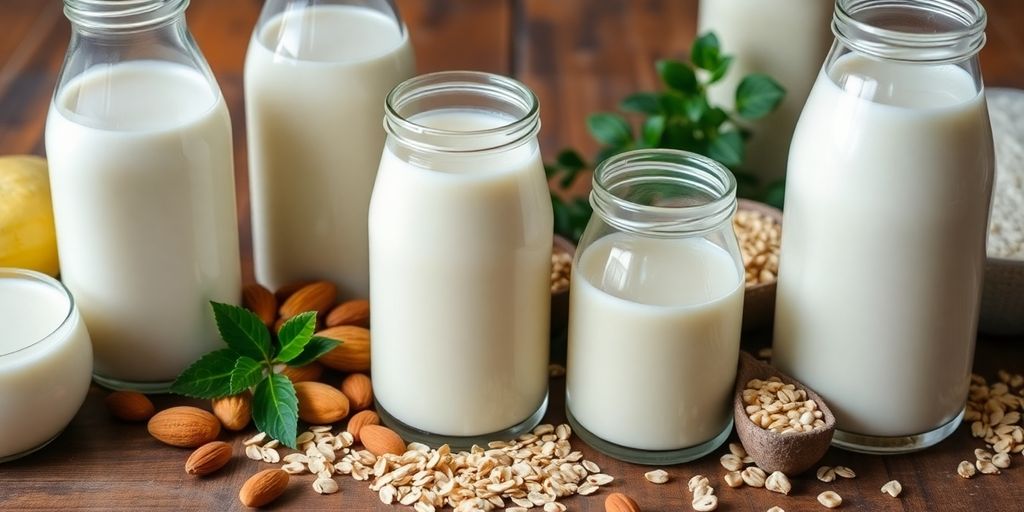
When I first started messing around with milk alternatives in baking, I messed up everything. Seriously. Let’s go through some of the most common problems, so you can hopefully avoid my early baking fails.
There’s A Fat Content Mismatch
The Problem: You’re using a low-fat milk alternative when the recipe really needs whole milk, or the other way around. It’s a bigger deal than you might think.
Real-Life Example: My first attempt at a dairy-free chocolate cake was a total disaster because I used watery rice milk instead of whole milk. The cake was super dry and crumbly, not rich and moist like it should have been. It was like trying to make a fancy dessert with flavored water!
Quick Fixes:
- If a recipe calls for whole milk, try using a full-fat coconut milk or cashew milk. These have a higher fat content that can mimic the richness of dairy milk.
- If you’re using a lower-fat alternative, consider adding a tablespoon or two of melted coconut oil or vegan butter to the recipe to compensate for the missing fat.
- Read the labels! Check the fat content of your milk alternative and compare it to whole milk. Aim for something close.
I once tried to make a batch of cookies using only almond milk (the super watery kind) and they spread out into these thin, crispy wafers. Not exactly the soft, chewy cookies I was going for. Now I always pay attention to the fat content.
The Protein Balance Is Off
Protein is important in baking. It helps with structure and texture. Different milk alternatives have different protein levels, and that can affect your final product. If you are exploring dairy alternatives, consider the protein content.
- The Problem: Some milk alternatives, like rice milk or almond milk, are pretty low in protein compared to cow’s milk. This can lead to baked goods that are flat, dense, or don’t rise properly.
- Real-Life Example: I tried making a batch of pancakes with just almond milk, and they were flat as a pancake (pun intended!). They didn’t have that nice, fluffy texture you get with regular milk.
Quick Fixes:
- Add a tablespoon of protein powder (vegan, of course!) to your dry ingredients. This can help boost the protein content and improve the texture of your baked goods.
- Use a milk alternative that’s higher in protein, like soy milk or pea milk. These are closer to cow’s milk in terms of protein content.
- Try adding a little bit of applesauce to your recipe. It can help bind the ingredients together and add some moisture.
The Acidity Is Off
Acidity plays a role in baking, especially when you’re using baking soda or baking powder. It helps with leavening and can affect the flavor of your baked goods.
- The Problem: Some milk alternatives are more acidic than cow’s milk, while others are less acidic. This can throw off the balance of your recipe and lead to unexpected results.
- Real-Life Example: I made a batch of muffins with oat milk, and they had this weird, almost metallic taste. I later found out that oat milk can be more acidic than cow’s milk, and it was reacting with the baking soda in the recipe.
Quick Fixes:
- If you’re using a more acidic milk alternative, like oat milk, reduce the amount of baking soda in your recipe by a little bit (maybe 1/4 teaspoon).
- If you’re using a less acidic milk alternative, like almond milk, add a teaspoon of lemon juice or vinegar to the milk before adding it to the recipe. This will help increase the acidity and improve the leavening.
- Experiment! Baking is all about trial and error. Don’t be afraid to adjust the recipe until you get the results you want.
Troubleshooting Specific Baked Goods
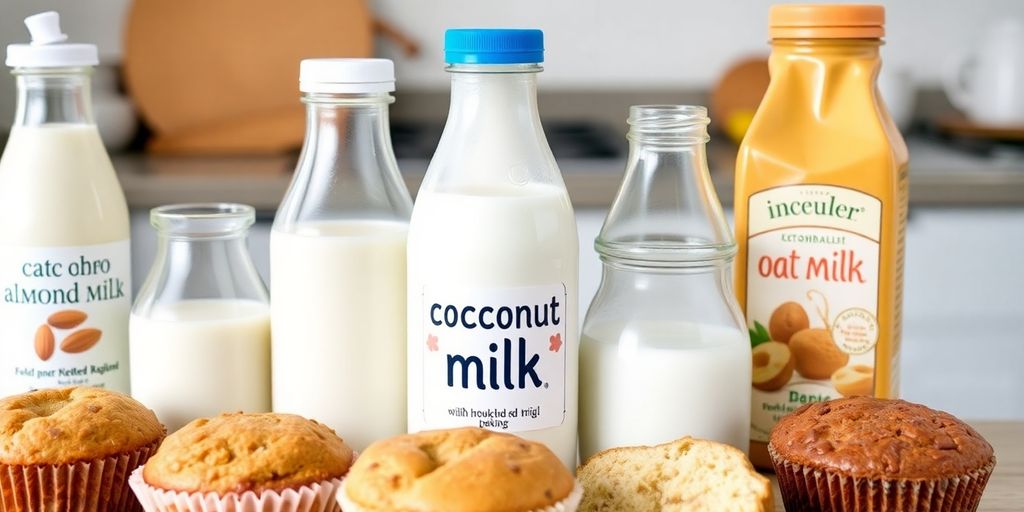
Cakes And Cupcakes
Okay, so you’ve swapped out the milk in your cake recipe, and things aren’t quite right? Don’t panic! Cakes and cupcakes are pretty sensitive to changes, but usually, there’s a simple fix. The biggest issue I’ve seen is a change in texture, often ending up too dry or too gummy.
Here’s a quick rundown of common problems and solutions:
- Dry, crumbly texture: Add 1 Tbsp of applesauce or mashed banana per cup of milk substitute.
- Gummy bottom layer: Switch to a lighter milk substitute or reduce the amount by 2 Tbsp.
- Pale color: Brush the top with plant milk + maple syrup before baking.
I once made a chocolate cake using a milk substitute that was too low in fat. The cake was dry and kind of sad. Adding a tablespoon of melted coconut oil to the batter next time completely fixed the problem. It’s all about finding the right balance!
Quick Breads And Muffins
Quick breads and muffins are usually more forgiving than cakes, but you can still run into issues when subbing milk. Sweetness is a big one here. I once made cornbread that tasted like cake because I accidentally used vanilla almond milk. Seriously, check those labels!
- Always check the label for “unsweetened” and “unflavored”.
- If you only have sweetened milk: Reduce the sugar in your recipe by 1-2 tablespoons per cup of milk.
- If you used vanilla milk by accident: Balance it with a pinch of salt and possibly some herbs (for savory dishes) or lemon zest (for sweet ones).
Yeast Breads
Yeast breads can be tricky because they rely on gluten development and proper fermentation. Here’s a table of common problems and quick fixes:
| Problem | What It Looks Like | Quick Fix |
|---|---|---|
| Tough dough | Dough feels like you’re wrestling it | Add 1 extra Tbsp oil to your recipe and knead less |
| Pale crust | Bread looks underbaked even when done | Brush with olive oil before baking |
| Slow rising | Dough takes forever to rise | Use room temperature ingredients and reduce baking powder by 1/4 teaspoon |
Rescuing Failed Recipes
Okay, so you tried a milk substitute and things didn’t go exactly as planned? Don’t panic! It happens to the best of us. Before you toss that cake or loaf of bread, let’s see if we can salvage it. Sometimes, a few simple tweaks can make all the difference.
When Your Cake Is Dry
Dry cake is a common problem when using milk substitutes, especially if the fat content is lower than what the recipe calls for. Here’s how to bring some moisture back:
- Simple Syrup Soak: Make a simple syrup by heating equal parts water and sugar until the sugar dissolves. Let it cool slightly.
- Poke Holes: Use a toothpick or skewer to poke holes all over the top of the cake. This helps the syrup penetrate.
- Brush and Wait: Slowly brush the simple syrup over the cake, allowing it to soak in. Cover the cake with plastic wrap and let it sit for a few hours, or even overnight, in the fridge.
I once made a chocolate cake using a light almond milk, and it came out drier than the Sahara. The simple syrup trick saved it! It was still a little different from the original recipe, but totally edible and even enjoyable.
When Your Bread Is Pale
A pale loaf of bread can be disappointing, but it doesn’t necessarily mean it’s a lost cause. Often, this happens because the sugars in the milk substitute didn’t caramelize properly. Here are a few things you can try:
- Milk Wash: Brush the top of the loaf with a little bit of soy milk for the wash before baking. The extra sugars in the soy milk will help it brown.
- Increase Baking Time (Slightly): If the bread is cooked through but still pale, increase the baking time by 5-10 minutes. Keep a close eye on it to prevent burning.
- Broiler Boost: For the last minute or two of baking, turn on the broiler and watch the bread like a hawk. This will give it a quick burst of color. Be careful not to burn it!
When Your Pancakes Are Flat
Flat pancakes are usually a sign that the batter didn’t have enough lift. This can happen if the milk substitute is too thin or doesn’t react properly with the leavening agents. Here’s how to fluff them up:
- Add Baking Powder: Mix in an extra 1/2 teaspoon of baking powder per cup of flour. This will give the pancakes a little extra oomph.
- Let the Batter Rest: Let the batter rest for 5-10 minutes before cooking. This allows the baking powder to activate and create bubbles.
- Use a Thicker Substitute: Try using a thicker milk substitute, like coconut milk or oat milk. These will add more body to the batter.
Our Best Milk Substitutes By Recipe Type
Different recipes really do need different milk substitutes. It’s not a one-size-fits-all kind of deal. After a bunch of testing (and some total flops), I’ve figured out which milk alternatives work best in certain recipes. Here are my go-to choices that I always use.
For Rich Chocolate Cakes
My go-to is a mix of oat milk and coconut milk in equal parts. The oat milk gives you a neutral base, and the coconut milk adds richness without being too overpowering. I’ve tried almond milk, but it just doesn’t cut it for that super decadent chocolate flavor. You want something that can stand up to the chocolate, you know?
For Savory Dishes
For savory stuff, I usually reach for unsweetened soy milk or cashew milk. Soy milk is pretty neutral, so it doesn’t mess with the flavor too much. Cashew milk is great if you want a little extra creaminess. I’ve even used it in mac and cheese, and it was amazing! Just make sure it’s unsweetened, or you’ll end up with some weird-tasting dishes.
For Creamy Sauces
Okay, creamy sauces are tricky. You need something that won’t curdle or separate when it gets hot. I’ve had the best luck with full-fat coconut milk (the kind in the can) or a blend of oat milk and a little bit of vegan cream cheese. The coconut milk adds a ton of richness, but it can also add a coconut flavor, so keep that in mind. The oat milk and cream cheese combo is great if you want something more neutral. Just whisk it in really well to avoid any lumps.
I once tried making a béchamel sauce with almond milk, and it was a disaster. It separated almost immediately, and the texture was just awful. Now I stick to coconut milk or the oat milk/cream cheese blend, and I haven’t had any problems since.
Addressing Heat Stability Issues
So, you’re trying to swap out milk in a recipe, and things are going south when heat gets involved? You’re not alone! Some plant-based milks just don’t play nice with heat, and you can end up with a curdled, separated mess. It’s happened to the best of us. I remember trying to make a simple custard with almond milk once, and it separated physical stability into a grainy disaster the second it hit the hot pan. Not fun.
When Plant Milks Curdle
Okay, so why does this even happen? Well, it’s all about the proteins and stabilizers in different milk alternatives. Some just aren’t as robust as dairy milk when it comes to high temperatures. The proteins can denature and clump together, causing that dreaded curdling effect.
Choosing Stable Alternatives
Not all plant milks are created equal when it comes to heat stability. Some hold up much better than others. Here’s a quick rundown:
- Oat Milk: Generally pretty stable, especially in baked goods. It can sometimes thicken a bit too much, though.
- Soy Milk: A good option for cooking and baking, as it tends to be more heat-stable than some others.
- Almond Milk: Can be tricky. It’s prone to curdling, especially in acidic sauces or at high heat.
- Coconut Milk (canned): Works well in curries and sauces, but the flavor is obviously coconut-y.
- Cashew Milk: Can be a good option for creamy sauces, but watch the heat.
Adjusting Cooking Techniques
Sometimes, it’s not just about what milk you use, but how you use it. A few tweaks to your cooking method can make a big difference.
- Lower the Heat: Gentle heat is your friend. Avoid high temperatures that can shock the milk.
- Stir Constantly: Keep things moving to prevent the proteins from clumping together.
- Add a Stabilizer: A little cornstarch or tapioca starch can help prevent separation. Mix a teaspoon or two with the cold milk before adding it to the hot mixture.
If you’re making a sauce, try creating a roux first (butter and flour cooked together). This helps to stabilize the milk and prevent curdling. Also, consider adding a pinch of baking soda to neutralize acidity, which can sometimes cause plant milks to curdle. It’s all about experimenting to see what works best for your specific recipe and milk alternative.
Enhancing Flavor With Milk Substitutes
Using Unsweetened Varieties
Okay, so you’re diving into the world of milk alternatives. One thing I learned pretty quickly is that unsweetened versions are your best friend in most recipes. Seriously. So many plant milks have added sugars, and that can totally throw off the flavor balance, especially in savory dishes. Imagine trying to make a creamy tomato soup with vanilla-flavored almond milk – yikes! Unsweetened lets you control the sweetness yourself, which is key.
Balancing Sweetness
Speaking of sweetness, it’s a balancing act. If you do need a touch of sweet, start small. A tiny bit of maple syrup, agave, or even a pinch of stevia can do the trick. I usually taste the batter or sauce as I go and adjust accordingly. Also, consider the other ingredients. If you’re using ripe bananas in banana bread, you might not need any extra sweetener at all. It’s all about finding that sweet spot.
Incorporating Flavor Enhancers
This is where things get fun! Milk substitutes can be a blank canvas for flavor. A splash of vanilla extract, a pinch of cinnamon, or even a little lemon zest can really elevate your recipe. For chocolatey things, a tiny bit of espresso powder can deepen the flavor. And don’t be afraid to experiment! I once added a pinch of cardamom to my oat milk pancakes, and it was a game-changer.
I’ve found that toasting nuts and then grinding them into a flour to add to my baked goods really helps to bring out the nutty flavor of almond or cashew milk. It’s a simple step, but it makes a world of difference. Plus, it adds a nice texture!
Understanding Milk Substitution Chemistry
Okay, so you’re swapping out milk in recipes. But have you ever stopped to think about why some substitutions work and others totally bomb? It’s not just about taste; there’s actual chemistry involved! Let’s break down some key factors.
The Role Of Acidity
Acidity plays a bigger role than you might think, especially when baking. Milk’s natural acidity helps activate leavening agents like baking soda. Plant-based milks often have different acidity levels, which can mess with the rise and texture of your baked goods. For example, I once made pancakes using almond milk, and they were flatter than crepes! The bioactive compounds in plant-based milks can react differently.
- Acidity helps activate baking soda.
- Different milks have different acidity levels.
- Adjusting acidity can improve results.
Impact Of Protein Content
Protein is another biggie. Milk proteins contribute to the structure of baked goods. They help create that nice, chewy texture in bread and give cakes their stability. If your milk substitute is low in protein, you might end up with something that’s too crumbly or doesn’t hold its shape well. I learned this the hard way when my attempt at making a dairy-free chocolate cake resulted in a gooey mess because I didn’t account for the protein difference.
Fat’s Influence On Texture
Fat equals flavor and moisture. It’s that simple. The fat content in milk contributes to the richness and tenderness of your recipes. If you swap whole milk for a super low-fat alternative, expect a noticeable difference in the final product. Think about it: a rich chocolate cake made with skim milk? It’s just not the same. I tried using rice milk once, and it was like trying to make a decadent dessert with colored water!
When substituting milk, consider the fat content. Using a low-fat alternative when a recipe calls for whole milk can result in a dry, less flavorful product. Conversely, using a high-fat alternative when a recipe needs a lighter touch can make the dish too heavy.
Wrapping It Up
So there you have it! Milk substitutions can be tricky, but with a little know-how, you can tackle any recipe. Remember, it’s all about finding the right balance and making adjustments as needed. Don’t be afraid to experiment and learn from your mistakes. If something goes wrong, just think of it as part of the process. Keep these tips in mind, and you’ll be whipping up delicious dairy-free treats in no time. Happy baking!
Frequently Asked Questions
What should I do if my cake is too dry after using a milk substitute?
You can make a simple syrup by mixing equal parts sugar and water, then brush it over the cake to add moisture.
How can I prevent my almond milk from curdling in hot recipes?
Try using a thicker plant milk, like coconut milk, or add a little cornstarch to help stabilize it.
Why does my bread turn out pale when I use plant milk?
Plant milks often lack the proteins needed for browning. Brush the bread with a mixture of maple syrup and plant milk before baking.
What can I use instead of whole milk for baking?
You can mix one cup of low-fat milk with one tablespoon of oil, or dilute coconut milk with water.
Why does my cornbread taste sweet when I use flavored almond milk?
Flavored milks can add unexpected sweetness. Always check labels and use unsweetened varieties for savory dishes.
How do I adjust the acidity when using plant milk in recipes?
You can add a tablespoon of lemon juice or vinegar to your plant milk to mimic the acidity of dairy milk.