“This post contains affiliate links. As an Amazon Associate, I earn from qualifying purchases”
Heavy cream is often a go-to ingredient in many recipes, but what happens when you’re out of it? Don’t worry! There are several substitutes you can use that will still give you a creamy texture without the need for heavy cream. In this article, we’ll explore various options for using milk instead of heavy cream, and answer some common questions about these substitutes.
Key Takeaways
- Mixing milk with butter can mimic the richness of heavy cream in recipes.
- Evaporated milk is a shelf-stable option that works well in cooking, though it won’t whip like cream.
- Half-and-half can be a quick replacement for heavy cream, especially in soups and sauces.
- For a dairy-free alternative, combining soy milk with olive oil can create a suitable substitute.
- Cottage cheese blended with milk offers a protein-rich option for those looking to replace heavy cream.
Milk And Butter Combination
How To Make The Substitute
Okay, so you’re out of heavy cream? Don’t panic! A simple fix involves milk and butter. The idea is to add fat back into the milk to mimic the richness of heavy cream. To make one cup of this substitute, melt 1/4 cup to 1/3 cup of unsalted butter. Let it cool slightly (you don’t want to cook the milk!), then whisk it into 3/4 cup of whole milk. It’s not exactly the same, but it’s a pretty good stand-in. You can also use this butter taste test to find the best butter.
Best Uses For This Mixture
This milk and butter combo works surprisingly well in a bunch of stuff. Think sauces, soups, and even some baking recipes. I’ve used it in alfredo sauce, and it was pretty darn close to the real deal. It’s also great for adding creaminess to mashed potatoes or scrambled eggs. Just keep in mind it might not whip up like actual heavy cream, so skip it for whipped toppings. It’s a great heavy cream substitute for many recipes.
Limitations Of This Substitute
Alright, let’s be real – this isn’t a perfect swap. Because it’s not as stable as heavy cream, it might separate if you boil it for too long. Also, it won’t whip into stiff peaks, so forget about using it for frosting or anything that needs that kind of structure. The flavor is also slightly different; it lacks that intense richness of heavy cream. So, while it’s a good fix in a pinch, it’s not always ideal. If you’re looking for a milk substitute, this is a good option.
Using milk and butter as a heavy cream substitute is a handy trick, but it’s best suited for recipes where the cream is just adding richness and not playing a critical structural role. Think creamy sauces or soups, not delicate pastries or whipped toppings. It’s all about understanding the limitations and adjusting your expectations accordingly.
Using Evaporated Milk
Evaporated milk is one of those pantry staples that can really come in handy. It’s basically milk that’s had about 60% of its water removed, which gives it a slightly thicker consistency and a unique flavor. It’s shelf-stable too, so you can keep it around for ages. Let’s explore how to use it as a substitute for heavy cream.
How To Substitute Evaporated Milk
Substituting evaporated milk for heavy cream is pretty straightforward. Generally, you can use it in a 1:1 ratio. So, if your recipe calls for one cup of heavy cream, you’d use one cup of evaporated milk. It’s especially good in recipes where the heavy cream is a liquid ingredient, like in baking or sauces. Just keep in mind that it doesn’t whip up like heavy cream, so don’t try to make whipped cream with it!
Best Recipes For Evaporated Milk
Evaporated milk shines in a bunch of different recipes. Think creamy soups, casseroles, and baked goods. It’s great in things like:
- Creamy Tomato Soup: Adds richness without being too heavy.
- Mac and Cheese: Makes it extra creamy and cheesy.
- Pies and Custards: Provides a smooth, silky texture.
- Corn Chowder: Enhances the creamy texture of this soup.
Flavor Differences Compared To Heavy Cream
Evaporated milk does have a slightly different flavor than heavy cream. Some people describe it as having a subtle cooked or caramelized taste. It’s not overpowering, but it’s there. If you’re sensitive to flavors, you might notice it more in delicate recipes. You can try adding a tiny splash of vanilla extract to your recipe to mask the flavor if you’re concerned. It’s a great way to add a little something extra.
Using evaporated milk is a good way to cut down on fat and calories without sacrificing too much creaminess. It’s not a perfect substitute in every situation, but it works well in many recipes. Plus, it’s usually cheaper than heavy cream, which is always a bonus.
Half-And-Half As An Alternative
What Is Half-And-Half?
So, what exactly is half-and-half? Well, the name pretty much gives it away. It’s a simple blend of equal parts whole milk and cream. This gives it a fat content that sits right in the middle, making it a lighter option than heavy cream but richer than regular milk. It’s that in-between quality that makes it a decent substitute in some cases. It’s definitely something most people have in their fridge for coffee anyway, so it’s convenient. Half-and-half typically contains between 10% and 18% milk fat, whereas heavy cream needs to have at least 36% milk fat. This difference is important to keep in mind when you’re thinking about swapping them out.
When To Use Half-And-Half
Okay, so you’ve got half-and-half, and you need heavy cream. When can you actually use it? Half-and-half works best in recipes where you want a bit of creaminess without the full richness of heavy cream. Think sauces, soups, and even some baked goods. It’s a great way to lighten things up a bit. For example, I often use it in my potato soup to cut down on the calories without losing too much flavor. It’s also good in coffee, obviously, but we’re talking about cooking here. Just don’t expect it to whip up into anything resembling whipped cream; it just doesn’t have enough fat for that.
Adjusting Recipes With Half-And-Half
Using half-and-half instead of heavy cream might require a little tweaking to your recipe. Since it has a lower fat content, it can sometimes make your dish a bit thinner. Here’s what I usually do:
- Thickeners: Consider adding a thickening agent like a cornstarch slurry (mix cornstarch with cold water before adding) to your sauce or soup. Start with a small amount and add more until you reach the desired consistency.
- Butter Boost: For a richer flavor and texture, try adding a tablespoon or two of butter to the recipe along with the half-and-half. This helps to compensate for the lower fat content.
- Reduce Liquids: If possible, reduce the amount of other liquids in the recipe slightly to balance out the thinner consistency of the half-and-half.
I’ve found that a little experimentation goes a long way. Start by substituting half the amount of heavy cream with half-and-half and then taste as you go. You can always add more, but you can’t take it away. Also, be careful not to boil half-and-half at high temperatures, as it can sometimes curdle. Low and slow is the way to go.
Here’s a simple conversion guide:
| Heavy Cream | Half-and-Half | Adjustments |
|---|---|---|
| 1 cup | 1 cup | Thicken as needed |
| 1/2 cup | 1/2 cup | Add 1 tbsp butter |
| 1/4 cup | 1/4 cup | Reduce other liquids |
Soy Milk And Olive Oil Mix
Creating A Vegan Substitute
Okay, so you’re looking for a dairy-free alternative to heavy cream? Mixing soy milk with olive oil might just be your answer. It’s a pretty simple swap that caters to vegan diets or anyone avoiding dairy. The idea here is that the olive oil adds the fat content that soy milk lacks, mimicking the richness of heavy cream. It’s similar to the milk and butter combo, where you’re essentially adding back the fat that’s been removed.
Flavor Profile Of This Mix
Don’t expect this to taste exactly like heavy cream. Olive oil has a distinct flavor, and that will come through in your final dish. It’s not overpowering, but it’s definitely there. The soy milk itself is pretty neutral, so the olive oil is the main flavor contributor. If you’re using a high-quality extra virgin olive oil, you’ll get a fruitier, more peppery note. A lighter olive oil will be less noticeable. It’s all about finding the right balance for your taste. You can use this vegan mayonnaise recipe as a base and adjust the flavor to your liking.
Best Uses For Soy Milk And Olive Oil
This substitute works best in dishes where you want to add richness and moisture, but don’t need the heavy cream to whip or thicken dramatically. Think of it as a way to add a velvety texture rather than a structural component. Here’s a few ideas:
- Sauces: It can work well in some pasta sauces, especially if you’re not relying on the cream for thickening.
- Baking: Use it in cakes or muffins where you want a moist crumb.
- Savory Dishes: It can add a nice touch to vegetable purees or creamy soups.
Just remember, this isn’t a 1:1 substitute in every situation. You might need to play around with the ratios to get the consistency you’re after. Start with the recommended 2/3 cup soy milk and 1/3 cup olive oil per cup of heavy cream, and adjust from there. Taste as you go!
Cottage Cheese And Milk Blend
Nutritional Benefits
Okay, so cottage cheese might not be the first thing that pops into your head when you’re thinking about replacing heavy cream, but hear me out. It’s actually pretty awesome because it’s packed with protein and other good stuff. Plus, it can add a really interesting flavor dimension to your cooking. I mean, who knew cottage cheese could be so versatile?
How To Prepare This Substitute
Alright, so here’s the deal. To make this work, you’re gonna need to grab your blender. Seriously, don’t skip this step unless you want chunky sauce. You’ll want to combine equal parts cottage cheese and milk. I usually go for a half cup of each to start. Then, blend it all up until it’s super smooth. The goal is to get rid of any lumps so it mimics the texture of heavy cream. If it’s too thick, add a splash more milk. Too thin? More cottage cheese. Easy peasy.
Ideal Recipes For This Blend
So, where does this weird combo actually shine? Well, I’ve found it’s great in savory dishes. Think creamy tomato soup, pasta sauces, or even a cheesy casserole. The slight tang from the cottage cheese adds a little something extra that you wouldn’t get with just plain milk. Just remember, it’s not going to work in everything. I wouldn’t try it in whipped cream or anything that needs to be super sweet. It’s also worth noting that cottage cheese can be a bit salty, so you might want to adjust the amount of salt you add to your recipe. You can explore the health benefits of cottage cheese in many recipes.
I tried this in a mac and cheese recipe last week, and it was surprisingly good. It added a creaminess that was similar to heavy cream, but with a slightly different flavor profile. My family loved it, and they had no idea I was using cottage cheese! It’s a great way to sneak in some extra protein without sacrificing flavor.
Common Questions About Substituting Milk
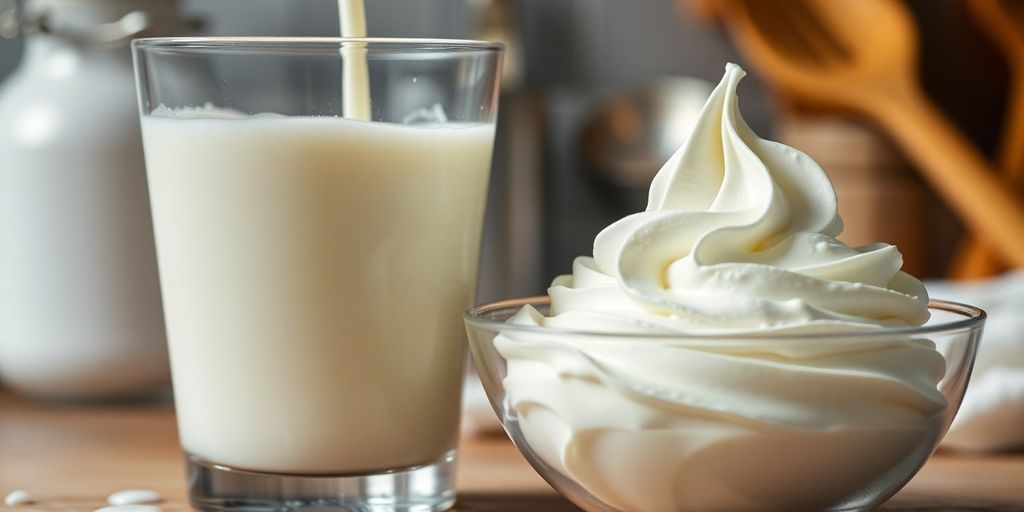
What Can Be Used In Place Of Heavy Cream?
Okay, so you’re staring down a recipe that calls for heavy cream, and your fridge is letting you down. Don’t panic! There are options. The best substitute really depends on what you’re making. For many recipes, you can get away with using a combination of milk and butter to mimic the fat content. Soy milk and olive oil is another option, especially if you need a dairy-free alternative. You could also try cream cheese, Greek yogurt, or coconut cream.
Is It OK To Substitute Heavy Cream For Milk?
Yep, you can totally sub heavy cream for milk in some cases, but keep in mind it’s going to change things up. Heavy cream has a much higher fat content, so it’ll make your recipe richer and thicker. It might even curdle if you’re not careful, especially in acidic dishes. Plus, you’re adding a lot more saturated fat to whatever you’re cooking. So, while it’s doable, think about the impact on the final result.
What Is A Good Ratio For Substitutes?
Alright, let’s talk ratios. It’s not always a straight one-to-one swap. For the milk and butter combo, a good starting point is mixing 1/4 cup of melted butter with 3/4 cup of milk for every cup of heavy cream. If you’re going the soy milk and olive oil route, try 2/3 cup of soy milk with 1/3 cup of olive oil. Remember, these are just starting points – you might need to tweak things based on your recipe and personal taste. Here’s a quick table to keep it straight:
| Substitute | Ratio |
|---|---|
| Milk and Butter | 1/4 cup melted butter + 3/4 cup milk |
| Soy Milk and Olive Oil | 2/3 cup soy milk + 1/3 cup olive oil |
It’s always a good idea to start with less and add more until you get the consistency you’re looking for. Taste as you go, and don’t be afraid to experiment! Cooking is all about having fun and making it your own.
Tips For Successful Substitutions

Adjusting Consistency In Recipes
When you’re swapping out heavy cream, the biggest challenge is usually getting the right thickness. The fat content in heavy cream is what gives it that rich, luxurious texture. Milk, on its own, is obviously much thinner. So, you might need to play around with other ingredients to compensate. For example, if you’re making a sauce, consider adding a little cornstarch or flour to help thicken it up. Start with a small amount—maybe a teaspoon—and whisk it in thoroughly to avoid lumps. You can always add more, but you can’t take it away!
Flavor Enhancements
Sometimes, just getting the consistency right isn’t enough. The flavor profile can also change when you use a substitute. Heavy cream has a subtle sweetness and richness that milk lacks. To make up for this, think about adding a touch of butter or a pinch of sugar to your recipe. A little bit of vanilla extract can also work wonders, especially in desserts. Don’t be afraid to experiment with different herbs and spices too, especially in savory dishes. A dash of nutmeg or a sprinkle of parmesan cheese can really elevate the flavor. Remember to taste as you go and adjust accordingly. You can also try milk and butter to get closer to the original flavor.
When Not To Substitute
Okay, let’s be real: there are times when a substitute just won’t cut it. If a recipe relies heavily on the unique properties of heavy cream—like whipping it into stiff peaks for a cake frosting—you’re probably better off using the real deal. Some recipes are just too finicky, and the results will be disappointing if you try to skimp. Think about it this way: if the heavy cream is a star player in the recipe, don’t bench it. But if it’s more of a supporting character, feel free to experiment with substitutes.
It’s important to consider the recipe’s purpose. If you’re aiming for a specific texture or flavor that only heavy cream can provide, substitutions might not be the best choice. However, for everyday cooking where slight variations are acceptable, milk-based alternatives can work well.
Here’s a quick guide:
- Whipped Cream: Stick with heavy cream.
- Soups and Sauces: Milk substitutes often work great.
- Cakes and Cookies: Proceed with caution and adjust other ingredients.
- Mashed Potatoes: Milk and butter can be a good option.
Wrapping It Up
So, there you have it! Using milk instead of heavy cream can be a game changer in the kitchen. It’s a simple swap that can save you a trip to the store and cut down on calories. Just remember, the texture and flavor might not be exactly the same, but with a few tweaks—like adding butter or using evaporated milk—you can still whip up some delicious dishes. Whether you’re making soups, sauces, or even desserts, these alternatives can work just fine. So next time you’re in a pinch, don’t hesitate to reach for that milk!
Frequently Asked Questions
What can I use instead of heavy cream?
If you’re out of heavy cream, you can mix milk and butter or use soy milk with olive oil. These options work well in cooking but won’t whip up like heavy cream.
How do I substitute heavy cream in a recipe?
To replace 1 cup of heavy cream, you can use 3/4 cup of milk mixed with 1/4 cup of melted butter. This combination gives a similar texture for most recipes.
Is it okay to use heavy cream instead of milk?
Using heavy cream instead of milk can change the dish’s texture and make it richer. It may also curdle more easily, so be careful!
Can I use milk in soups instead of heavy cream?
Yes, you can use milk instead of heavy cream in soups, but the flavor and thickness will be different. It won’t be as creamy.
What’s a good ratio for substitutes?
A common ratio is to use 3/4 cup of milk plus 1/4 cup of melted butter for 1 cup of heavy cream. For a dairy-free option, mix 2/3 cup of soy milk with 1/3 cup of olive oil.
When shouldn’t I substitute milk for heavy cream?
Avoid substituting milk for heavy cream in recipes that require whipping, like whipped toppings or certain desserts, as milk won’t whip up the same way.