“This post contains affiliate links. As an Amazon Associate, I earn from qualifying purchases”
Raising chickens in winter can be a bit tricky, but with the right strategies, your flock can thrive even in the cold months. From ensuring they have a cozy coop to adjusting their diet, there are several steps you can take to keep your chickens happy and healthy. Let’s dive into how to raise chickens in winter and make sure your feathered friends are well taken care of during the chilly season.
Key Takeaways
- Create a warm and dry coop with good ventilation.
- Adjust their diet to include warm treats and ensure they have dry feed.
- Encourage outdoor time and provide fun activities to keep them active.
- Regularly check for signs of frostbite and maintain cleanliness in their living space.
- Use heated water bowls to keep water from freezing and change it often.
Creating The Ideal Winter Home For Your Chickens
As winter approaches, making sure your chickens have a safe and comfy place to live is super important. It’s not just about keeping them warm; it’s about creating an environment where they can thrive, even when the weather outside is frightful. Think of it as building a little fortress against the cold. A well-prepared coop can really make a difference in your flock’s health and happiness during the winter months.
Ensure Proper Ventilation
Ventilation is key, even when it’s cold. You might think sealing up the coop tight is the way to go, but that can actually cause more problems than it solves. Good ventilation helps to remove moisture from the coop, which can lead to frostbite and respiratory issues. It’s a balancing act – you want to keep the coop warm, but not stuffy. Aim for ventilation up high, near the roof, so you’re not creating drafts at chicken level. I usually crack a window slightly, even on the coldest days, to keep the air circulating.
Maintain Dry Conditions
Dry bedding is your best friend in the winter. Wet bedding can freeze, and that’s just asking for trouble. I like to use a thick layer of straw or wood shavings on the floor of the coop. Make sure to clean out any wet spots regularly and replace the bedding as needed. It’s also a good idea to add some extra bedding to the chicken coop to help insulate it from the cold ground. I usually do a deep clean of the coop in the fall, before winter hits, and then just spot clean as needed throughout the season.
Provide Comfortable Roosting Areas
Chickens need a place to roost where they can get off the cold ground and snuggle together for warmth. Make sure your roosts are wide enough so that the chickens can cover their feet with their feathers to prevent frostbite. Wood is a better material than metal, as it doesn’t conduct cold as easily. I like to use 2x4s for my roosts, with the wide side facing up. This gives the chickens plenty of room to perch comfortably. Also, make sure the roosts are high enough off the ground so the chickens aren’t exposed to drafts.
Think of your chicken coop as a tiny house for your flock. Just like you prepare your home for winter, your chickens’ coop needs some extra attention too. Focus on keeping it dry, well-ventilated, and free from drafts, and your chickens will be much happier and healthier throughout the winter months.
Adjusting Your Chickens’ Diet For Winter
Winter changes everything, even what your chickens need to eat! It’s not just about tossing out the same old feed. They need more energy to stay warm, so a few tweaks to their diet can make a huge difference. I’ve found that paying attention to what and how much they eat really helps them thrive during the colder months.
Incorporate Warm Treats
Think of warm treats as a little internal heater for your chickens. It’s like giving them a cozy blanket from the inside out. Warm oatmeal is a great option, and you can mix in some black oil sunflower seeds for extra fat and protein.
Here are some ideas for warm treats:
- Cooked oatmeal (not instant!)
- Scrambled eggs (yes, chickens can eat eggs!)
- Warm mash with added grains
During winter, chickens burn more calories to stay warm. Providing warm treats not only helps them maintain their body temperature but also adds variety to their diet, preventing boredom. It’s a win-win!
Ensure Dry Feed
This might seem obvious, but it’s super important. Wet feed can freeze, and frozen feed is no good to anyone. Make sure their feeders are protected from snow and rain. I usually check the feeders a couple of times a day to make sure everything is dry and accessible. If you want to enhance chicken feed with protein, consider adding some dried mealworms.
Provide Fresh Water Daily
Just like us, chickens need fresh water every day, even when it’s freezing. This can be a challenge, but it’s crucial. I usually bring out warm water in the morning and again in the afternoon to prevent it from freezing solid. You can also use a heated waterer, which is a lifesaver. Make sure the water is always clean; no one wants to drink dirty water, especially in the winter!
Keeping Your Chickens Active During Winter
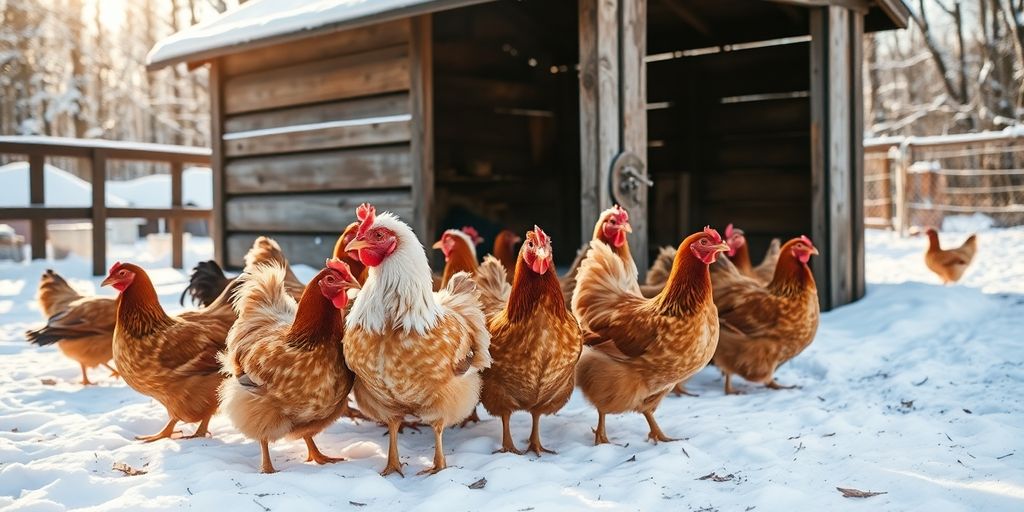
Chickens can get bored when cooped up during the winter months, which can lead to unwanted behaviors like feather pecking. It’s important to keep them engaged and stimulated, even when the weather isn’t ideal for free-ranging.
Encourage Outdoor Time
Even if it’s cold, try to get your chickens outside for at least a little while each day. Clearing a small area of snow can encourage them to venture out. Chickens are more cold-hardy than you might think, and a bit of fresh air and sunshine can do wonders for their well-being. I usually toss some scratch grains in the cleared area to entice them.
Provide Enrichment Activities
When outdoor time is limited, offer enrichment activities inside the coop to prevent boredom. Here are a few ideas:
- Hang a cabbage or head of lettuce from the ceiling for them to peck at.
- Provide a pile of leaves or straw for them to scratch and forage through.
- Introduce a chicken swing or other interactive toys.
I’ve found that a simple dust bath area inside the coop can also keep them entertained. Just make sure it stays dry!
Use Perches and Climbing Structures
Chickens enjoy perching and climbing, so provide plenty of opportunities for them to do so inside the coop. This not only keeps them active but also helps them stay warm by getting them off the cold ground. Consider adding:
- Multiple roosting bars at different heights.
- A small chicken ladder or ramp.
- Straw bales for climbing and scratching. These straw bales also act as windbreakers, providing insulation.
Monitoring Health And Comfort In Cold Weather
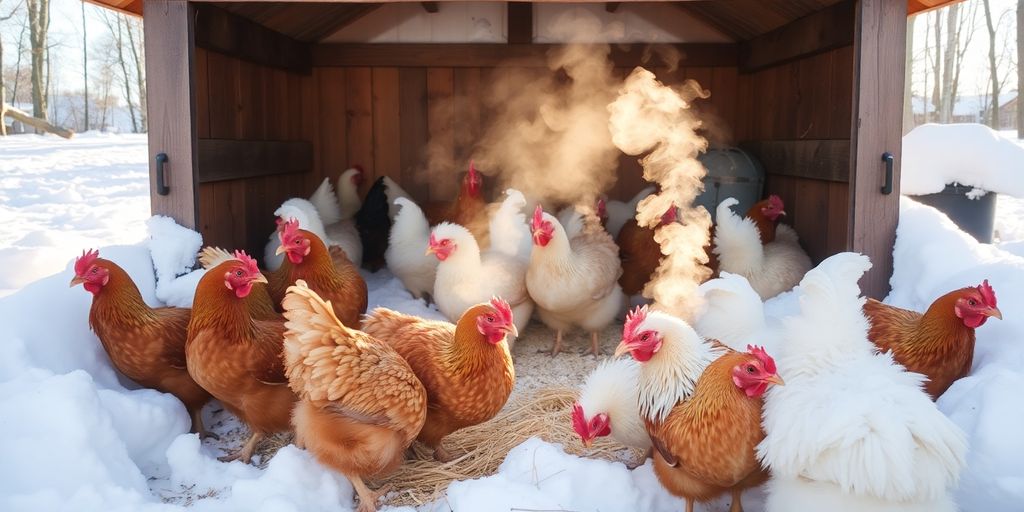
Winter can be tough on chickens, so keeping a close eye on their health and comfort is super important. It’s not just about making sure they’re warm enough; it’s about preventing problems before they start. I usually spend a little extra time each day just observing my flock to catch anything unusual.
Check For Frostbite
Frostbite is a real concern when temperatures drop. The most vulnerable areas are their combs, wattles, and feet. I make it a habit to check these areas regularly, especially after particularly cold nights. Look for any signs of discoloration (pale, bluish, or blackish areas) or swelling. If you spot frostbite, gently warm the affected area, but avoid rubbing it, as that can cause more damage. A little petroleum jelly can help protect combs and wattles during cold snaps.
Observe Behavior Changes
Changes in behavior can be a sign that something’s not right. If your chickens are usually active and suddenly become lethargic, or if they’re isolating themselves from the flock, it could indicate illness or discomfort. Reduced egg production is also a common sign of stress during winter. I keep a mental note of each chicken’s usual behavior so I can quickly spot anything out of the ordinary. Make sure they have comfortable roosting areas to rest.
Maintain Clean Living Conditions
A clean coop is crucial for preventing disease, especially in winter when chickens spend more time indoors. Damp bedding can lead to respiratory problems and other health issues. I clean the coop more frequently during winter, removing any wet or soiled bedding. Good ventilation is also key to keeping the air fresh and dry. Here’s a simple checklist I use:
- Daily: Check and refresh water, remove droppings from roosting areas.
- Weekly: Replace soiled bedding, check for signs of pests.
- Monthly: Deep clean the entire coop, disinfect surfaces.
Keeping the coop clean not only helps prevent disease but also reduces the risk of ammonia buildup, which can be harmful to your chickens’ respiratory systems. A little extra effort in maintaining cleanliness goes a long way in ensuring a healthy flock.
Managing Water Supply In Freezing Temperatures
Winter brings the challenge of keeping your chickens hydrated when temperatures plummet. Frozen water is a big problem, as chickens need constant access to fresh water to stay healthy and productive. It impacts their food consumption, egg production, and overall well-being. Here’s how to make sure your flock stays well-hydrated, even when it’s freezing outside.
Use Heated Water Bowls
Heated water bowls are a lifesaver in winter. They prevent water from freezing, ensuring your chickens always have access to a drink. There are several types available, from heated bases that go under existing waterers to all-in-one heated bowls.
- Consider the size of your flock when choosing a heated waterer. You’ll want one big enough to provide enough water for everyone.
- Make sure the waterer is made of durable, chicken-safe materials.
- Check the thermostat regularly to ensure it’s working correctly.
Change Water Frequently
Even with heated bowls, it’s a good idea to change the water frequently. This helps prevent the buildup of ice around the edges and keeps the water clean. If you don’t have a heated bowl, you’ll need to change the water even more often – possibly several times a day – to prevent it from freezing solid.
Prevent Contamination
Keeping the water clean is just as important as keeping it from freezing. Chickens can easily contaminate their water with dirt, droppings, and food. This can lead to health problems, so it’s important to take steps to prevent contamination.
- Raise the waterer off the ground to prevent chickens from scratching dirt into it.
- Clean the waterer regularly with soap and water.
- Consider using a waterer with a small opening to prevent chickens from roosting on it and contaminating the water.
I remember one winter where I got lazy about changing the water. The chickens ended up drinking dirty, icy water, and a few of them got sick. It was a wake-up call to prioritize water management, even when it’s cold and inconvenient. Now, I have a system in place to ensure they always have clean, unfrozen water, and it’s made a huge difference in their health and happiness.
Preparing For Extreme Cold Spells
Sometimes, winter throws a curveball. It’s not just chilly; it’s dangerously cold. That’s when you need to kick your chicken-care game into high gear. Don’t wait until the last minute to think about this. Preparation is key to keeping your flock safe and sound when the temperature really plummets.
Have A Backup Heating Plan
Okay, so you’ve winterized your coop. Great! But what happens if the power goes out during a blizzard? That’s where a backup heating plan comes in. Consider a generator to power your coop heater, or a propane heater designed for enclosed spaces (with proper ventilation, of course!). Make sure you test your backup plan before you need it. You don’t want to be fumbling around in the dark, trying to figure things out when your chickens are freezing. Also, think about how you’ll keep the water from freezing if your usual method fails. A thermos of warm water can be a temporary solution.
Insulate The Coop
Adding extra insulation can make a huge difference. Think beyond just the walls. Consider the roof and floor too. Here are some ideas:
- Extra Bedding: Pile it high! Deep bedding helps insulate the floor and provides warmth as it composts. secure chicken coop are a must.
- Insulated Curtains: Heavy curtains or blankets over the windows at night can trap heat.
- Wall Insulation: If you didn’t fully insulate during your initial winter prep, now’s the time to add extra layers of insulation board or even straw bales around the outside of the coop.
Remember, insulation isn’t just about keeping heat in; it’s also about keeping cold out. A well-insulated coop will maintain a more stable temperature, even when the outside world is a frozen wasteland.
Monitor Indoor Temperatures
Don’t just guess how warm it is inside the coop. Get a reliable thermometer and check it regularly. Ideally, you want to keep the coop above freezing, but not too much warmer than that. Big temperature swings can be just as bad as constant cold. If you’re using a heater, make sure it has a thermostat so you can regulate the temperature. Keep an eye on the winter egg-laying to make sure they are not affected by the cold. If you notice the temperature dropping too low, it’s time to implement your backup heating plan or add more insulation. A remote thermometer that you can read from inside your house is a great investment.
Understanding Chicken Breeds For Winter Hardiness
It’s amazing how adaptable chickens are, but some breeds handle winter way better than others. If you live where it gets seriously cold, picking the right breed can make a huge difference in your flock’s comfort and egg production. I mean, nobody wants a bunch of miserable, frozen chickens, right?
Choose Cold-Hardy Breeds
Opting for cold-hardy breeds is the first step in ensuring your chickens thrive during winter. Breeds with smaller combs and wattles are generally better suited for cold climates because they’re less prone to frostbite. Also, bigger chickens tend to retain heat better than smaller ones. Some popular cold-hardy breeds include:
- Australorps: These are great all-around birds, known for their hardiness and good egg-laying even in winter.
- Plymouth Rocks: Another solid choice, they’re robust and can handle the cold well.
- Wyandottes: These are beautiful birds that are also very cold-hardy.
- Orpingtons: Big, fluffy, and friendly, Orpingtons are well-insulated and do well in cold weather.
Know Your Flock’s Needs
It’s not just about picking a breed and calling it a day. You’ve got to think about your specific setup and what your chickens need. For example, if you’re in an area with really harsh winters, you might want to consider breeds that are known for their exceptional cold tolerance. Also, consider the size of your coop and run. Bigger breeds need more space, so make sure you’ve got enough room for them to move around comfortably. Don’t forget to check out winter egg-laying capabilities.
It’s also worth noting that even within a breed, some individual chickens will be hardier than others. Keep an eye on your flock and make sure everyone is doing okay, especially during extreme cold spells.
Adapt Care Based On Breed Characteristics
Once you’ve got your flock, it’s important to tailor your care to their specific needs. For example, if you have breeds with larger combs, you might want to apply some petroleum jelly to them on really cold days to prevent frostbite. Also, make sure they have plenty of dry bedding to snuggle into at night. And don’t forget about food and water! Chickens need extra calories in the winter to stay warm, so make sure they’re getting enough to eat. Providing proper ventilation is also key to preventing moisture buildup in the coop, which can lead to frostbite and other health problems.
Wrapping Up Your Winter Chicken Care
So, there you have it! Keeping chickens in winter doesn’t have to be a headache. With a little planning and some simple adjustments, your flock can stay happy and healthy even when it’s freezing outside. Make sure their coop is cozy and dry, keep their water from freezing, and don’t forget to give them some fun things to do. Chickens are tough, but they still need our help to thrive in the cold. If you follow these tips, you’ll have a thriving flock all winter long. Happy chicken raising!
Frequently Asked Questions
How can I keep my chickens warm in winter?
To keep your chickens warm, make sure their coop is dry and well-ventilated. Provide comfortable roosting spots and add extra bedding to keep them cozy.
What should I feed my chickens during the winter?
In winter, you can feed your chickens their regular food but consider adding warm treats like oats or scratch grains to help them generate body heat.
How do I ensure my chickens have access to water in freezing temperatures?
Use heated water bowls to keep the water from freezing, and check the water daily to make sure it’s clean and available.
What are signs of frostbite in chickens?
Look for pale or darkened areas on the comb or wattles, as well as signs of discomfort or changes in behavior, which may indicate frostbite.
Can chickens go outside in the winter?
Yes, chickens should have outdoor access even in winter. Just make sure they have safe areas to perch and scratch that are free from snow.
What breeds of chickens are best for winter?
Cold-hardy breeds like Rhode Island Reds and Orpingtons are better suited for winter because they have smaller combs and thicker feathers.