“This post contains affiliate links. As an Amazon Associate, I earn from qualifying purchases”
Raising chickens in your backyard can be a rewarding and enjoyable experience. Not only do they provide fresh eggs, but they can also help with pest control and offer a fun way to teach kids about responsibility. Whether you’re looking to start a small hobby farm or just want a few hens for your family, this guide will walk you through the basics of how to raise chickens in your backyard effectively. Let’s get started!
Key Takeaways
- Chickens provide fresh eggs that taste better than store-bought ones.
- They help control pests in your garden, reducing the need for chemicals.
- Raising chickens can be a great educational opportunity for children.
- Proper coop design is crucial for keeping your chickens safe and healthy.
- Regular care and maintenance are essential for a happy flock.
Understanding The Benefits Of Raising Chickens
So, you’re thinking about getting chickens? Awesome! Beyond just having some feathered friends in your backyard, there are actually a bunch of really cool perks to raising chickens. It’s not just about the eggs (though, let’s be real, that’s a big part of it!).
Fresh Eggs And Nutrition
Okay, let’s start with the obvious: the eggs. Fresh eggs from your own chickens are seriously next-level. They taste better, the yolks are richer and more vibrant, and you know exactly where they came from. Plus, you can control what your chickens eat, which directly impacts the nutritional value of their eggs. No more wondering about what kind of life those store-bought chickens had. You can even get different colored eggs depending on the breed you choose! It’s like a little rainbow in your egg carton.
Natural Pest Control
Chickens are basically tiny, feathered dinosaurs when it comes to bugs. They LOVE to eat insects, grubs, and weeds. Letting your chickens roam around your yard (under supervision, of course) can seriously cut down on the need for pesticides. They’ll happily munch on all sorts of creepy crawlies that you don’t want around. It’s a win-win: your chickens get a tasty snack, and your garden stays healthier. Just be careful around your prized plants – chickens aren’t always the most delicate creatures. Think of them as organic pest control with benefits.
Educational Opportunities For Kids
Raising chickens can be a fantastic learning experience for kids. It teaches them about responsibility, where food comes from, and the life cycle of animals. They can help with feeding, collecting eggs, and cleaning the coop. It’s a hands-on way to learn about science, nature, and animal care. Plus, let’s be honest, chickens are just plain fun to watch. Their quirky personalities and silly antics can provide hours of entertainment. It’s a great way to get kids outside and away from screens.
Having chickens around has been surprisingly therapeutic. There’s something calming about watching them peck around the yard, and it’s a nice reminder of the simple things in life. Plus, the fresh eggs are a definite bonus!
Preparing Your Backyard For Chickens
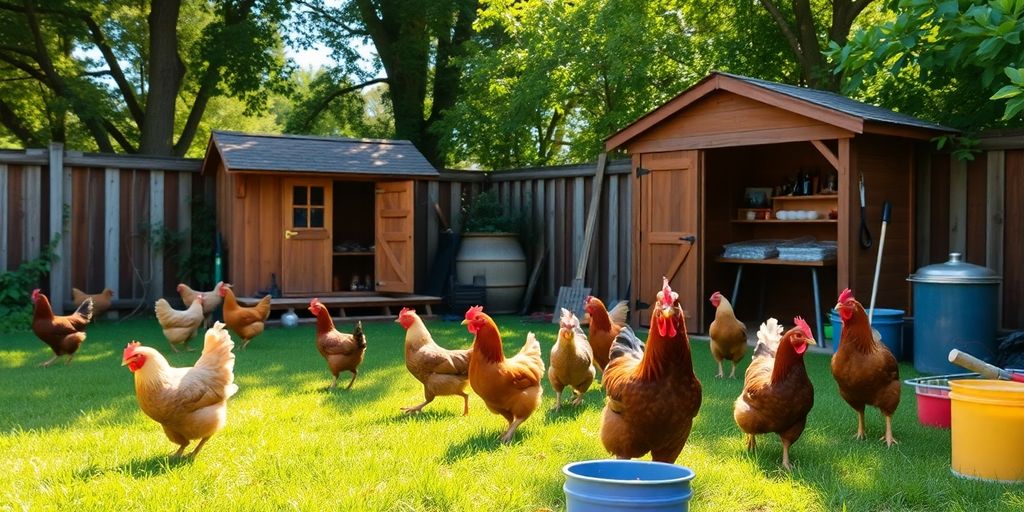
So, you’re thinking about getting chickens? Awesome! But before you bring those feathered friends home, you need to get your backyard ready. It’s not just about throwing up a coop; it’s about creating a safe and happy environment for your flock. Let’s get into the details.
Choosing The Right Location
Location, location, location! It’s not just for real estate; it’s super important for your chicken coop too. You’ll want to pick a spot that’s relatively flat and well-drained. Avoid low-lying areas that could get soggy, especially after rain. Chickens don’t like wet feet! Also, think about sunlight. A mix of sun and shade is ideal. Too much sun, and they’ll overheat; too much shade, and the coop could get damp and gross. Consider proximity to your house, too. You’ll be visiting the coop daily, so you don’t want it to be too far away.
Understanding Local Regulations
Before you start building, do your homework! Many cities and towns have rules about keeping chickens. This could include restrictions on the number of chickens you can have, how far the coop needs to be from property lines, and even whether roosters are allowed (they can be noisy!). Check with your local zoning department or city hall to get the lowdown. Ignoring these rules could lead to fines or having to get rid of your chickens, and nobody wants that. It’s also a good idea to chat with your neighbors. Letting them know your plans can prevent potential conflicts down the road. Maybe they’ll even want some fresh eggs!
Designing A Safe Coop
Your chicken coop is their castle, so make it a safe one! Protection from predators is key. Think about digging coop foundations to prevent animals from digging under the walls. Cover the run with wire mesh to keep hawks and other birds of prey out. Make sure the coop itself is sturdy enough to withstand wind and weather. A secure door and latches are a must to keep out raccoons, foxes, and other unwanted visitors. Ventilation is also important to prevent moisture buildup and ammonia smells.
Consider the size of your flock when designing the coop. A good rule of thumb is at least 4 square feet of coop space per chicken and 8-10 square feet of run space. This gives them enough room to move around comfortably and avoid overcrowding. Overcrowding can lead to stress and disease, so it’s better to err on the side of more space than less.
Selecting The Right Chicken Breeds
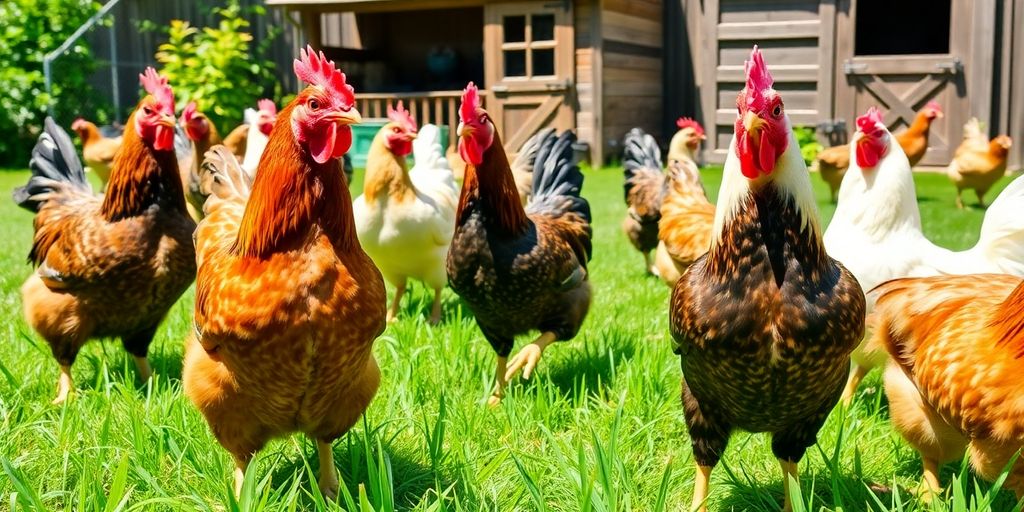
Choosing the right chicken breeds is a big step in setting up your backyard flock. It’s not just about picking pretty birds; it’s about finding breeds that fit your lifestyle, climate, and egg-laying goals. Let’s explore some key considerations.
Popular Backyard Breeds
There are tons of chicken breeds out there, but some are more popular for backyard setups than others. These breeds are generally hardy, friendly, and good egg layers. When you get expert advice, you’ll find that some common favorites include:
- Rhode Island Reds: Known for their consistent egg production and hardiness.
- Plymouth Rocks: A dual-purpose breed, good for both meat and eggs, and known for being docile.
- Orpingtons: Friendly and fluffy, these chickens are great for families and come in various colors.
- Australorps: Excellent egg layers and known for their calm temperament.
- Leghorns: Prolific egg layers, but can be a bit flighty.
Considerations For Egg Production
If your main goal is to have a steady supply of fresh eggs, you’ll want to consider breeds known for their egg-laying abilities. Some breeds lay more eggs than others, and the size and color of the eggs can also vary. Here’s a quick look at some top egg-laying breeds:
| Breed | Average Eggs Per Year | Egg Color | Notes |
|---|---|---|---|
| Leghorn | 280-320 | White | Can be flighty |
| Rhode Island Red | 250-300 | Brown | Hardy and reliable |
| Australorp | 250-300 | Brown | Calm temperament |
| Sussex | 250 | Brown | Dual-purpose breed |
| Golden Comet | 300+ | Brown | Hybrid breed, excellent egg production |
Temperament And Care Needs
Beyond egg production, think about the temperament of different breeds. Some chickens are naturally friendly and enjoy human interaction, while others are more independent. Consider your lifestyle and how much time you can dedicate to interacting with your flock. Also, research the specific care needs of each breed, such as their tolerance to different climates and their susceptibility to certain health issues.
Choosing the right breed is a balancing act. You need to consider egg production, temperament, and care needs to find the perfect fit for your backyard. Don’t be afraid to talk to other chicken owners or local breeders to get their recommendations. Remember to plan the size of your brood before buying your chickens.
Setting Up The Chicken Coop
Okay, so you’re ready to get your chickens settled in. The coop is their home, their safe space, and where they’ll lay those delicious eggs. It’s more than just a house; it’s a chicken mansion! Let’s get into the details.
Essential Coop Features
First off, think about the basics. Your coop needs to protect your chickens from the elements and predators. This means a solid roof, sturdy walls, and a secure floor (or buried wire mesh to prevent digging predators). Space is also key. You don’t want a chicken traffic jam. Here’s a quick guide:
- Size: Aim for at least 4 square feet of coop space per chicken. More is always better!
- Location: Pick a spot that’s relatively dry and gets some sunlight, but also has shade during the hottest part of the day.
- Accessibility: Make sure you can easily get into the coop for cleaning and egg collection. A big door is a lifesaver.
Think of the coop as your chickens’ apartment. You want it to be functional, comfortable, and safe. A well-designed coop will make your life (and your chickens’ lives) much easier.
Nesting Boxes And Roosts
Next up: the interior design! Chickens need a place to sleep and a place to lay eggs. That’s where nesting boxes and roosts come in. For wooden chicken coops, you’ll want to consider:
- Nesting Boxes: Provide one nesting box for every 3-4 hens. They don’t need anything fancy – a simple box filled with straw or wood shavings will do.
- Roosts: Chickens like to sleep off the ground. Provide roosting bars that are about 2-4 feet off the ground. A simple 2×4 piece of lumber works great.
- Placement: Put the nesting boxes in a darker, quieter area of the coop. Roosts can be higher up, as chickens naturally seek higher ground to avoid predators.
Ventilation And Safety
Finally, let’s talk about air and security. Ventilation is important to prevent moisture buildup and ammonia smells, which can cause respiratory problems in chickens. Safety is crucial to keep predators out. Here are some things to keep in mind:
- Ventilation: Install vents near the roofline to allow for airflow. Make sure they’re covered with wire mesh to keep out rodents and other pests.
- Security: Use strong latches on all doors and windows. Bury wire mesh around the perimeter of the coop to prevent digging predators. Consider adding a motion-activated light to deter nighttime visitors.
- Regular Checks: Inspect the coop regularly for any signs of damage or wear and tear. Repair any issues promptly to maintain the coop’s integrity. Remember to check for four chickens to ensure they are all safe and accounted for.
Caring For Your Chickens
Feeding And Nutrition
Okay, so you’ve got your chickens, they’re settled in, and now you’re probably wondering what to actually feed them. It’s not just about tossing some scraps out there! A balanced diet is key to healthy chickens and good egg production. You can buy commercial chicken feed, which comes in different forms like pellets, crumbles, and mash. Starter feed is for chicks, grower feed is for pullets (young hens), and layer feed is for laying hens. Make sure you’re using the right one for their age.
Here’s a quick rundown:
- Chicks (0-8 weeks): High-protein starter feed.
- Pullets (8-20 weeks): Grower feed.
- Laying Hens (20+ weeks): Layer feed with added calcium.
Don’t forget treats! Chickens love treats, but moderation is important. Too many treats can throw off their nutritional balance. Some good options include mealworms, fruits, vegetables, and grains. Just make sure they’re getting the bulk of their nutrition from their feed. Also, always provide fresh, clean water. Clean the water containers regularly to prevent the spread of disease.
Health Care And Common Issues
Chickens are generally pretty hardy, but they can still get sick. Knowing what to look for can help you catch problems early. Common issues include mites, lice, worms, and respiratory infections. Keep an eye out for symptoms like:
- Lethargy
- Loss of appetite
- Decreased egg production
- Runny nose or eyes
- Diarrhea
If you notice anything unusual, it’s best to consult with a vet who specializes in poultry. Regular coop cleaning is also important for preventing health problems. A clean coop means fewer pests and less chance of disease. Consider adding diatomaceous earth to the coop to help control mites and lice. It’s also a good idea to have a first-aid kit on hand with basic supplies like wound spray, electrolytes, and antibiotic ointment.
Prevention is always better than cure. Regularly check your chickens for signs of illness or parasites, and maintain a clean and sanitary environment. This will go a long way in keeping your flock healthy and happy.
Daily Maintenance Tasks
Daily maintenance is pretty straightforward. First, let the chickens out of the coop in the morning. Check their food and water, and refill as needed. Collect eggs! This is the fun part. Make sure to check for eggs at least once a day, or even twice if you have a lot of hens. Inspect the coop and run for any damage or potential hazards. Spot clean as needed, removing any droppings or wet bedding. In the evening, make sure all the chickens are safely inside the coop before locking it up for the night. This protects them from predators. Finally, take a moment to observe your chickens. Are they acting normally? Are they eating and drinking? Catching any problems early can make a big difference. Remember to clean your coop regularly to prevent the spread of disease.
Managing Chicken Behavior
Chickens, like any social animal, have their own set of behaviors and social structures. Understanding these behaviors is key to maintaining a happy and healthy flock. It’s not always sunshine and roses; sometimes you’ll need to step in and manage things. Let’s get into it.
Understanding Pecking Order
The pecking order is a real thing! It’s the social hierarchy that chickens establish within their flock. This order determines who gets first dibs on food, the best roosting spots, and, well, who gets pecked. It’s usually established early on, and while it might look a bit rough, it’s a natural process. You’ll see some squabbles as they sort things out, but it usually settles down after a while. If you introduce new chickens, expect the pecking order to be disrupted and re-established. Keep an eye on things to make sure no one is getting seriously hurt. Understanding the pecking order can help you manage your flock more effectively.
Socialization Tips
Integrating new chickens into an existing flock can be tricky. Here are a few tips to make the process smoother:
- Quarantine: Keep new chickens separate for at least 30 days to ensure they’re healthy and don’t introduce diseases to your flock.
- Gradual Introduction: Use a wire fence to allow the chickens to see and get used to each other before direct contact.
- Supervise: When you finally introduce them, supervise closely to intervene if necessary. A little squabbling is normal, but excessive aggression isn’t.
Providing ample space and resources (food, water, roosting bars) can minimize conflict during the integration process. Make sure there are enough resources for everyone, so they don’t have to fight over them.
Dealing With Aggression
Sometimes, despite your best efforts, aggression can become a problem. Here’s how to handle it:
- Identify the Bully: Figure out which chicken is causing the most trouble.
- Temporary Isolation: Briefly isolate the bully for a few days. This can disrupt their behavior and give the other chickens a break.
- Space and Resources: Ensure there’s enough space in the coop and run, and that there are enough food and water stations to prevent competition. Consider the chicken coop sizes when planning your flock.
- Intervention: If the aggression persists, you might need to consider rehoming the aggressive chicken. It’s a tough decision, but sometimes it’s the best thing for the flock.
Collecting Eggs And Maintaining Cleanliness
Egg Collection Techniques
Alright, so you’ve got chickens, and they’re laying eggs. Now what? Collecting eggs might seem simple, but there’s a bit more to it than just grabbing them from the nest. Ideally, you should collect eggs at least once a day, but twice is better, especially during hot weather. This reduces the chance of them getting cracked, dirty, or eaten by your chickens (yes, they do that!).
- Use a basket or egg apron to keep your hands free.
- Check for cracked or broken eggs and remove them immediately to prevent the other chickens from developing a taste for them.
- Collect eggs gently to avoid damaging them.
Think of egg collecting as a daily treasure hunt. It’s a satisfying part of keeping chickens, knowing you’re getting fresh, nutritious food straight from your backyard. Plus, there’s something really cool about seeing all those different colored eggs if you have a mixed flock.
Cleaning The Coop
Cleaning the coop is probably the least glamorous part of raising chickens, but it’s super important for their health and happiness. A clean coop means fewer pests, less disease, and happier chickens. I try to do a quick clean every day and a more thorough clean once a week. A well-designed coop will usually allow for easy cleaning from the outside.
- Daily: Remove any droppings from the nesting boxes and under the roosts. Refresh water and food.
- Weekly: Replace all the bedding. Scrape down the roosts and any surfaces with built-up droppings. Consider using a coop cleaner or disinfectant.
- Monthly (or as needed): Do a deep clean. Remove everything from the coop, scrub it down, and let it dry completely before adding fresh bedding. Inspect for any signs of pests or damage.
Preventing Pests And Diseases
Keeping your chickens healthy means keeping pests and diseases away. Prevention is key here. A clean coop, good ventilation, and healthy chickens are your best defense. Here’s what I do to keep problems at bay:
- Regularly check your chickens for mites, lice, or other parasites. Treat them promptly if you find anything.
- Keep the coop dry and well-ventilated to prevent the growth of mold and bacteria. Make sure to wash out the water before refilling it- this is very important because many parasites and diseases can spread quickly through contaminated water.
- Use diatomaceous earth (DE) in the coop and run to help control pests. Food is usually around $20 for a 50-pound bag. How long the food lasts depends on how many chickens you own.
| Issue | Prevention
Wrapping It Up
So, there you have it! Raising chickens in your backyard can be a fun and rewarding experience. It might seem a bit overwhelming at first, but once you get the hang of it, you’ll find your routine. Remember to keep things simple: provide a safe coop, good food, and clean water. Don’t hesitate to ask for help from fellow chicken lovers if you hit a snag. And most importantly, enjoy the process! Fresh eggs and happy clucks are just around the corner. Happy chicken-keeping!
Frequently Asked Questions
What are the main benefits of raising chickens?
Raising chickens gives you fresh eggs, helps control pests in your garden, and can be a fun learning experience for kids.
How do I prepare my backyard for chickens?
Choose a safe spot for the coop, check local laws about keeping chickens, and design a secure coop to protect them.
Which chicken breeds are best for beginners?
Popular breeds for beginners include Rhode Island Reds and Leghorns because they are friendly and good at laying eggs.
What should I include in my chicken coop?
Your coop should have nesting boxes, roosting areas, and good ventilation to keep your chickens comfortable.
How do I care for my chickens daily?
Feed them nutritious food, provide clean water, and check for any health issues regularly.
How can I keep my coop clean?
Collect eggs daily, clean the coop regularly, and change bedding to prevent pests and diseases.