“This post contains affiliate links. As an Amazon Associate, I earn from qualifying purchases”
Raising chickens on pasture is becoming a popular choice for many farmers and backyard enthusiasts. This method allows chickens to roam freely, foraging for natural food while enjoying fresh air and sunlight. Not only does this approach benefit the chickens, but it also results in higher quality eggs and meat for consumers. In this guide, we will explore how to raise chickens on pasture effectively, covering everything from housing to marketing your eggs.
Key Takeaways
- Pasture-raised chickens enjoy a healthier lifestyle, leading to better quality eggs and meat.
- Proper coop design is vital for protecting chickens from predators and harsh weather.
- A balanced diet is essential; supplementing with grains and ensuring fresh water is key.
- Effective predator management is crucial to keep your flock safe and healthy.
- Marketing your pasture-raised eggs can enhance your farm’s profitability and attract more customers.
Understanding Pasture-Raised Chickens
What Is Pasture-Raised Chicken?
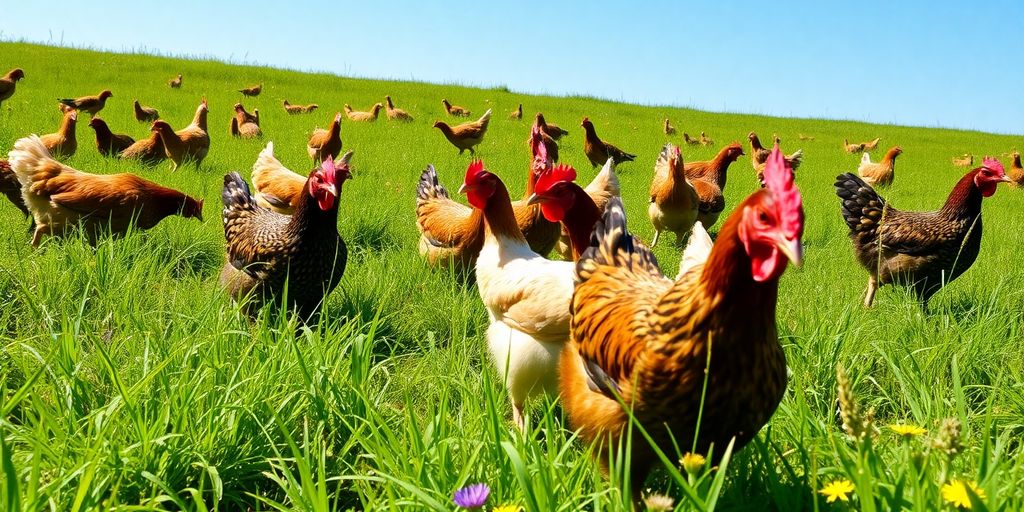
Okay, so what is pasture-raised chicken, really? It’s pretty simple: these chickens live outdoors, spending their days roaming around in a grassy area. They aren’t cooped up in tiny cages. They get to peck, scratch, and do all the chicken things that chickens are supposed to do. They have access to sunlight, fresh air, and a natural diet of bugs, worms, and plants. It’s a far cry from the typical commercial chicken farm. While pasture-raised options are becoming more popular, it’s important to know what it really means.
Benefits of Pasture-Raised Chickens
Why bother with pasture-raised chickens? Well, there are a bunch of good reasons:
- Happier Chickens: They get to live like chickens, which is just better for their well-being.
- Healthier Eggs and Meat: Some studies suggest that pasture-raised chickens produce eggs and meat with more nutrients, like omega-3 fatty acids.
- Better for the Environment: Pasture-raising can be more sustainable than conventional farming, especially when it comes to soil health.
Raising chickens on pasture can be a win-win. The chickens are happier and healthier, and you get better quality eggs and meat. Plus, it’s a more sustainable way to farm.
Common Breeds for Pasture Raising
Not all chickens are created equal when it comes to pasture-raising. Some breeds just do better than others out in the open. Here are a few popular choices:
- Rhode Island Reds: These are tough birds that can handle a variety of climates. They’re also good egg layers.
- Plymouth Rocks: Another hardy breed that’s good for both meat and eggs. They’re pretty good at foraging, too.
- Orpingtons: These are big, friendly birds that are good for meat production. They’re also known for being good mothers.
Choosing the right chicken breeds can make a big difference in how well your pasture-raising operation works. Think about your climate, your goals (eggs, meat, or both), and how much space you have. Do your research, and you’ll be off to a good start.
Essential Housing Considerations
Raising chickens on pasture isn’t just about letting them roam free; it’s also about providing them with the right kind of housing. Think of it as their home base – a place where they can feel safe, lay eggs, and escape the elements. Getting the housing right is key to keeping your chickens healthy and productive. It’s a balancing act between giving them space to roam and ensuring they have a secure and comfortable shelter.
Designing a Safe Coop
A secure coop is your first line of defense against predators. You need to think about everything that might want to get to your chickens, from foxes and coyotes to raccoons and even birds of prey. The coop should be sturdy, with strong walls and a roof that can’t be easily breached. Here are some things to consider:
- Elevated Coops: Raising the coop off the ground can deter rodents and make it harder for digging predators to get in.
- Secure Doors and Latches: Use heavy-duty latches that predators can’t open. Consider double-latching systems for added security.
- Hardware Cloth: Use hardware cloth (a strong, woven wire mesh) instead of chicken wire for the walls and floor of the coop. Chicken wire is easily torn by predators.
Think about the size of your flock when designing the coop. Overcrowding can lead to stress and disease, so make sure you have enough space for all your chickens to move around comfortably. A good rule of thumb is to provide at least 4 square feet of floor space per bird inside the coop.
Shelter Requirements for Pastured Chickens
Pastured chickens need shelter from the sun, rain, wind, and snow. This doesn’t necessarily mean a fully enclosed coop; it could be a simple A-frame structure or even a portable chicken tractor. The key is to provide them with a place to escape the elements and feel protected. Consider these points:
- Shade: Chickens are susceptible to heat stress, so make sure they have access to shade during the hottest part of the day. This could be provided by trees, shrubs, or a shaded area within the coop.
- Windbreak: A windbreak can help protect chickens from cold winds in the winter. This could be a solid wall on one side of the coop or a row of trees or shrubs.
- Dry Area: Chickens need a dry area to escape the rain and mud. This could be a covered area within the coop or a separate shelter.
Ventilation and Climate Control
Proper ventilation is crucial for maintaining a healthy environment inside the coop. Good ventilation helps to remove moisture, ammonia, and other harmful gases, while also keeping the coop cool in the summer and warm in the winter. Here’s what to keep in mind:
- Natural Ventilation: Windows and vents can provide natural ventilation. Make sure the vents are screened to keep out predators.
- Fan Assistance: In hot weather, fans can help to circulate air and keep the coop cool. Consider using a thermostatically controlled fan that turns on automatically when the temperature reaches a certain level.
- Insulation: Insulating the coop can help to keep it warm in the winter and cool in the summer. This can be done with straw bales, foam insulation, or other materials.
| Season | Ventilation Needs | Climate Control Strategies |
|---|---|---|
| Summer | Maximize airflow to reduce heat | Shade, fans, evaporative cooling |
| Winter | Balance ventilation with heat retention | Insulation, windbreaks, heated waterers |
Don’t forget about free-range poultry and their need for a safe and comfortable environment. By paying attention to these essential housing considerations, you can create a space where your chickens can thrive and produce delicious, healthy eggs.
Nutritional Needs and Feeding Practices
What Do Pasture-Raised Chickens Eat?
Pasture-raised chickens have a pretty cool diet, honestly. They’re not just pecking at the same old feed all day. A big part of their nutrition comes from foraging in the pasture. They eat grasses, weeds, seeds, and all sorts of insects and worms they find. It’s like a buffet for them! This natural diet is what makes their eggs and meat so much better in terms of flavor and nutrition.
- Grasses and Greens: Clover, alfalfa, and various grasses. free-range enhances
- Insects and Worms: Provides protein and essential nutrients.
- Seeds: Natural source of carbohydrates and fats.
While pasture provides a good chunk of their diet, it’s usually not enough to meet all their nutritional needs, especially for laying hens. That’s where supplemental feeding comes in. Think of it as giving them a little extra boost to make sure they’re getting everything they need to stay healthy and productive.
Supplementing Diet with Grains
Okay, so pasture is great, but chickens need more than just bugs and grass. That’s where grains come in. Most folks who raise chickens on pasture supplement their diet with a mix of grains to make sure they’re getting enough protein, carbs, and other essential nutrients. The exact mix depends on the age of the chickens and whether they’re laying eggs or not.
Here’s a basic breakdown of what you might feed them:
- Starter Feed (0-6 weeks): High in protein (19-22%) to support rapid growth.
- Grower Feed (6-20 weeks): Lower protein (14-16%) for continued development.
- Layer Feed (20+ weeks): Balanced protein (15-18%) with added calcium for eggshell production. You can provide calcium supplement free-choice.
It’s also important to consider the source of your feed. Some people prefer to use organic or non-GMO grains to avoid pesticides and other chemicals. You can even find soy-free options if you’re concerned about soy allergies or sensitivities.
Importance of Fresh Water
Alright, let’s talk about water. It might seem obvious, but fresh, clean water is absolutely crucial for pasture-raised chickens. They need it for everything from digestion to egg production. Make sure they always have access to a clean water source, especially during hot weather. I usually check the waterers at least twice a day to make sure they’re full and clean.
Here are a few tips for keeping your chickens hydrated:
- Use multiple waterers: This ensures that all chickens have access to water, even if they’re spread out across the pasture.
- Clean waterers regularly: Prevents the growth of algae and bacteria.
- Provide shade: Keeps the water cool and prevents evaporation.
Also, consider adding electrolytes to the water during periods of stress, like heat waves or after vaccinations. It can help them stay hydrated and recover faster. Trust me, your chickens will thank you for it!
Effective Predator Management Strategies
Raising chickens on pasture is great, but it also means dealing with predators. They can wipe out your flock fast, so having a solid plan is super important. It’s not just about protecting your chickens; it’s also about respecting the local ecosystem. After all, predators play a vital role in controlling other animal populations.
Identifying Common Predators
First, you need to know who you’re up against. Different regions have different predators. Here’s a quick rundown of some common ones:
- Terrestrial Predators: Foxes, coyotes, raccoons, opossums, skunks, and even the occasional bobcat or bear. These guys usually hunt at night, but some might be bold enough to come out during the day.
- Aerial Predators: Hawks, eagles, and owls. These birds of prey can strike quickly and silently from above.
- Smaller Predators: Rats, mice, and weasels. These can be a real problem, especially for chicks. They’ll steal feed and contaminate the coop.
Knowing what predators are common in your area helps you choose the right protection methods. Consider the surrounding environment, too. Pastures near woods or water sources tend to attract more predators.
Fencing and Enclosures
Good fencing is your first line of defense. Here are some options:
- Perimeter Fencing: A strong fence around your entire property can keep out larger predators like coyotes and dogs.
- Poultry Netting: Electrically charged poultry netting works well for smaller predators like skunks and raccoons. Just remember that determined predators can jump over it.
- Coop Security: Make sure your coop is secure. Close it up tight at night, and use wire mesh with small openings to prevent predators from reaching in. You can even stake down movable coops to stop predators from digging underneath.
Quick response is key after any loss. Identify the predator and take action to prevent further attacks. Predators learn fast, and if they figure out your chickens are an easy meal, they’ll keep coming back.
Using Guard Animals
If you have a large flock, a livestock guardian dog (LGD) might be a good investment. These dogs are bred to protect livestock. Great Pyrenees and Old English Sheepdogs are popular choices. But remember, training is essential. You can’t just throw a dog in with your chickens and expect it to work. The dog needs to be slowly introduced to the flock and taught not to chase the birds. A well-trained LGD can be a great deterrent for larger predators like coyotes and foxes.
There are also predator-deterrent devices on the market. Some use flashing lights to scare away predators, while others use motion sensors to trigger lights or sprinklers. These can be helpful, but they’re not a substitute for good fencing and management practices.
Seasonal Management Techniques
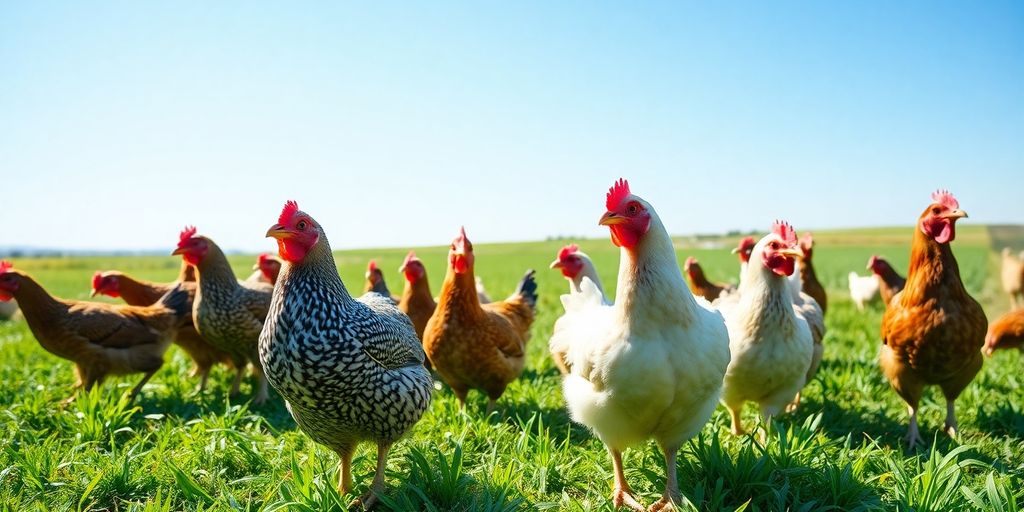
Managing a pasture-raised chicken operation isn’t just about the day-to-day; it’s about adapting to the changing seasons. Each season brings its own set of challenges and opportunities, and understanding how to adjust your practices is key to maintaining a healthy and productive flock. From scorching summers to freezing winters, your chickens’ needs will change, and so must your approach.
Adapting to Weather Changes
Weather can be pretty unpredictable, right? One day it’s sunny, the next it’s pouring rain. For pasture-raised chickens, these changes can really impact their well-being and egg production. The key is to be proactive and prepared for anything Mother Nature throws your way.
- Summer Heat: Make sure your chickens have plenty of shade and fresh, cool water. Consider using misters to help them stay cool. Panting contributes to dehydration, stress, and a loss of appetite, which can lead to a drop in productivity. Shade can help reduce temperatures on hot days and improve poultry comfort and well-being.
- Winter Cold: Insulate the coop to protect your chickens from the cold. Ensure adequate ventilation to prevent moisture buildup. You might need to supplement their diet if they can’t forage due to snow or ice. “Winterize” a coop by adding insulation and sealing any cracks in the general structure to prevent drafts. Common types of insulation include fiberglass insulation and foam insulation board, among others.
- Rainy Days: Provide a dry, sheltered area where your chickens can escape the rain. Wet conditions can lead to health problems, so it’s important to keep them dry.
Managing Pasture Rotation
Pasture rotation is important for keeping your chickens healthy and your pasture in good shape. Overgrazing can damage the pasture and increase the risk of disease. Rotating your chickens to fresh pasture regularly helps prevent these problems. It’s not just about the chickens; it’s about the land too. Consider these points:
- Rest and Recovery: Give your pastures time to recover between grazing periods. This allows the grass to regrow and prevents soil erosion.
- Parasite Control: Rotating pastures can help break the life cycle of parasites, reducing the risk of infestation in your flock. Pasture-raising is a great way to manage chickens and their manure.
- Nutrient Distribution: Chicken manure is a natural fertilizer. Rotating pastures helps distribute the manure evenly, improving soil fertility.
Preparing for Winter
Winter can be tough on pasture-raised chickens, especially in colder climates. Proper preparation is essential to ensure their survival and continued egg production. Here’s what I do to get ready for the cold months:
- Insulate the Coop: Add extra insulation to the coop to keep your chickens warm. Seal any cracks or gaps to prevent drafts.
- Provide Supplemental Heat: If necessary, use a heat lamp to provide extra warmth. Be careful to position it safely to prevent fires. Check heat lamps frequently to make sure that they are well secured. A fallen heat lamp can be the source of a fire that can quickly destroy a flock and even the coop.
- Stock Up on Feed: Make sure you have enough feed to last through the winter, especially if your chickens can’t forage. Light intensity and schedule can have major impacts on the amount of eggs laid over the lifespan of a hen.
Winterizing your chicken operation is not just about keeping your chickens alive; it’s about maintaining their productivity and ensuring their well-being during the harshest months of the year. A little preparation goes a long way in making winter a manageable season for both you and your flock.
Health Monitoring and Biosecurity
It’s easy to get caught up in the day-to-day of raising chickens, but keeping a close eye on their health and implementing good biosecurity measures is super important. It can be the difference between a thriving flock and a devastating outbreak. I’ve learned this the hard way, believe me!
Regular Health Checks
Knowing what a healthy chicken looks like is half the battle. A healthy bird is active, alert, and has bright eyes and clean feathers. If you see a chicken acting differently, like not running for food or seeming tired, it’s time to investigate. Here’s what I usually look for:
- Check for any signs of respiratory issues, like sneezing or wheezing.
- Examine their droppings. Changes in color or consistency can indicate a problem.
- Look for external parasites like mites or lice. These little buggers can really stress out your birds.
- Make sure they’re eating and drinking normally. A sudden loss of appetite is a red flag.
I had a scare last spring when one of my hens, Henrietta, started acting lethargic. Turns out, she had a minor respiratory infection. Catching it early made all the difference. A quick trip to the vet and some antibiotics, and she was back to her old self in no time.
Vaccination and Disease Prevention
Vaccination can be a good way to protect your flock from common diseases. Talk to your local vet about what vaccines are recommended in your area. Besides vaccination, here are some other things I do to prevent disease:
- Quarantine new birds before introducing them to the flock. This gives you time to observe them for any signs of illness.
- Practice good biosecurity. This means controlling who and what comes into contact with your chickens.
- Keep the coop clean and dry. A clean environment is less likely to harbor disease.
Maintaining Cleanliness in the Coop
Cleanliness is next to godliness, especially when it comes to chicken coops. A clean coop helps prevent the spread of disease and keeps your chickens happy and healthy. Here’s my cleaning routine:
- Daily: Remove any wet or soiled bedding. I also check the footbaths and replenish them as needed.
- Weekly: Do a more thorough cleaning, removing all the bedding and scrubbing down the surfaces.
- Annually: A deep clean in the spring is a must. I remove everything from the coop, disinfect all surfaces, and let it air out completely. This helps with mite control over the winter.
| Task | Frequency | Materials | Notes the content for the h2
Marketing Your Pasture-Raised Eggs
Building a Brand for Your Eggs
Okay, so you’ve got these amazing pasture-raised chickens, and they’re laying beautiful, nutritious eggs. Now what? Time to sell them! But you can’t just throw them in a carton and hope for the best. You need a brand. Think about what makes your eggs special. Is it the vibrant orange yolks? The happy hens roaming free? Your brand is the story you tell about your eggs. Consider a catchy name and a simple, eye-catching label. Don’t underestimate the power of good packaging. It’s the first thing customers see!
Direct Marketing Strategies
Direct marketing is where it’s at for pasture-raised eggs. You get to connect with your customers, tell them your story, and build loyalty. Here are a few ideas:
- Farmers Markets: A classic for a reason. Set up a nice display, offer samples (if allowed), and chat with people about your farm.
- Farm Stands: If you’ve got the space, a farm stand is a great way to sell eggs (and other produce) right on your property.
- Community Supported Agriculture (CSA): Offer egg shares as part of a CSA program. This provides a steady income stream and loyal customers.
- Online Sales: Set up a simple website or use social media to take orders and arrange for pickup or delivery. Make sure to check local regulations regarding food sales.
Word of mouth is powerful. Encourage satisfied customers to spread the word. Offer referral discounts or run contests on social media to get people talking about your eggs. Remember, happy customers are your best marketing tool.
Understanding Consumer Preferences
What do people want in their eggs? It’s not just about taste. Consumers are increasingly interested in where their food comes from and how it’s produced. They care about animal welfare, sustainable farming practices, and the nutritional value of their food. Research indicates that pasture-raised egg farms contain significantly higher levels of vitamin E and long-chain omega-3 fatty acids compared to conventional eggs. Here’s what you should consider:
- Transparency: Be open about your farming practices. Let people visit your farm (if possible) or share photos and videos on social media.
- Certifications: Consider getting certified organic or Animal Welfare Approved. These certifications can add credibility to your brand.
- Pricing: Pasture-raised eggs typically sell for more than conventional eggs. Do your research to find a price point that’s competitive but also reflects the value of your product. Remember to factor in your costs, including feed, labor, and packaging.
Here’s a simple table to illustrate potential pricing strategies:
| Egg Type | Average Price per Dozen | Notes |
|---|---|---|
| Conventional | $2.50 | Grocery store price |
| Cage-Free | $3.50 | Often found in supermarkets |
| Pasture-Raised | $5.00 – $7.00 | Direct from farm, farmers markets, specialty stores |
| Certified Organic | $6.00 – $8.00 | Higher price point due to certification and organic feed requirements |
Wrapping It Up
So, there you have it. Raising chickens on pasture isn’t just a trend; it’s a way to produce healthier eggs and meat while keeping the birds happy. Sure, it takes some planning and effort, but the rewards can be huge. You get better quality eggs, a more sustainable farming practice, and a chance to connect with your customers. Plus, watching those chickens roam freely is pretty satisfying. Just remember, every farm is different, so what works for one might not work for another. Take your time, learn as you go, and enjoy the process. Happy chicken raising!
Frequently Asked Questions
What does it mean to raise chickens on pasture?
Raising chickens on pasture means they live outside in open areas instead of being kept indoors all the time. They can roam freely, eat grass, bugs, and other natural foods.
What are the benefits of pasture-raised chickens?
Pasture-raised chickens are healthier and produce better eggs. They have more nutrients and their meat is tastier. Plus, they are treated more humanely because they can move around and behave naturally.
Which breeds are best for pasture raising?
Some good breeds for pasture raising include Rhode Island Reds, Leghorns, and Australorps. These breeds are known for being good layers and foraging well in open spaces.
How do I keep my chickens safe from predators?
To protect your chickens from predators, use strong fences, create secure coops, and consider having guard animals like dogs or geese that can help keep threats away.
What should I feed my pasture-raised chickens?
Pasture-raised chickens eat a mix of grass, insects, and grains. It’s important to also provide them with fresh water and some extra feed for balanced nutrition.
How do I manage my chickens in different seasons?
In winter, make sure they have a warm place to stay and don’t let them out in very harsh weather. In summer, provide shade and enough water. Rotate their pasture regularly to keep the grass healthy.