“This post contains affiliate links. As an Amazon Associate, I earn from qualifying purchases”
Want to enjoy your favorite creamy coffee or soups while being kind to the planet? You might wonder about dairy versus plant-based heavy cream. As someone who loves rich flavors but cares about greenhouse gas emissions, I learned dairy farming creates almost three times more carbon than plant choices.
Switching to milk alternatives can lower your carbon footprint, save water, and help protect land resources. Choosing plant-based could be better for you and our world.
Understanding Dairy Heavy Cream Production
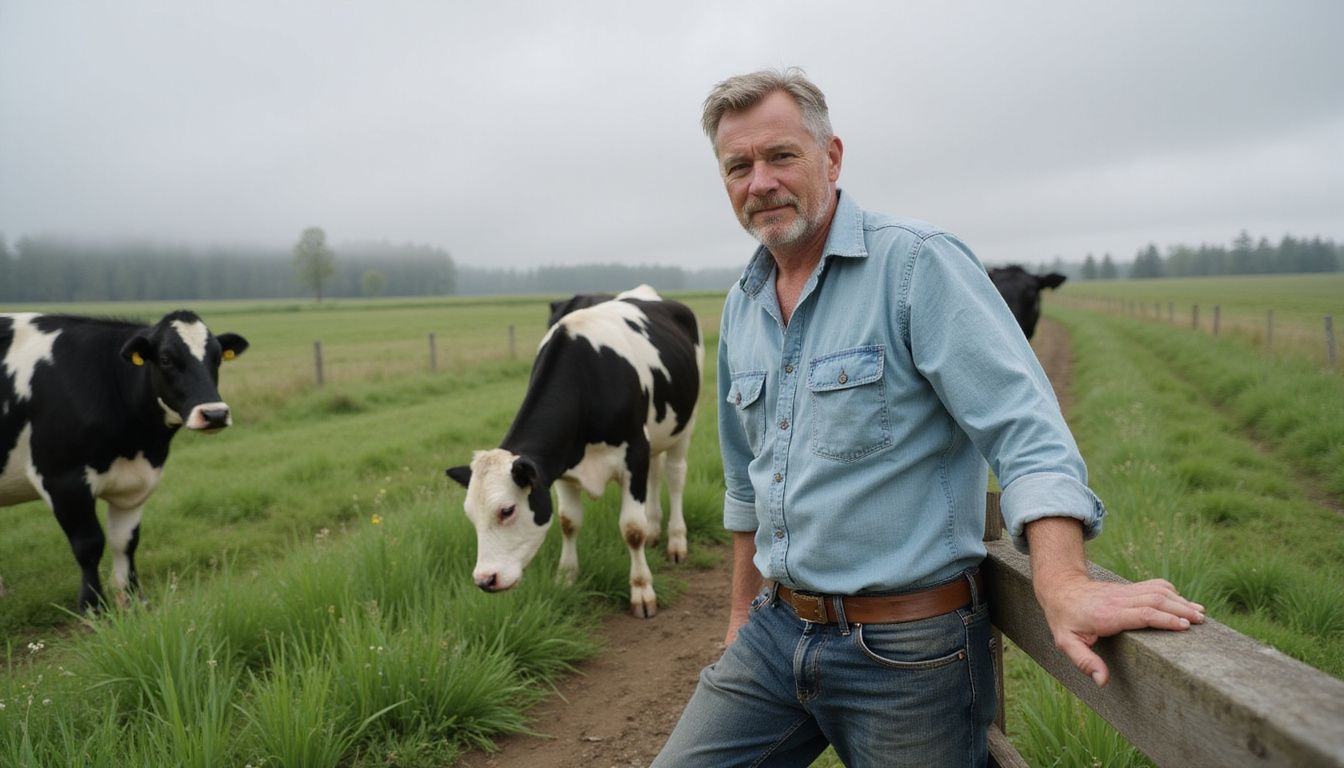
I often wondered what environmental effect dairy heavy cream has on our world—and decided to find out. Dairy farms use plenty of land, water, and animal feed, leading to high greenhouse gas emissions and carbon footprints.
Environmental footprint of dairy farming
I never gave much thought to how dairy milk reached my table. Dairy farming produces a large carbon footprint and impacts climate change in several ways. Cows release methane, which raises greenhouse gas emissions—a main cause of global warming.
Raising cows for dairy products also uses lots of land, water, and animal feed like grains and soybeans. The result is deforestation in places such as the Amazonian forests, leading to habitat loss.
It surprised me that making just one gallon of cow’s milk takes around 1,000 gallons of water! Dairy farms affect our lakes and rivers due to runoff from fertilizers used on crops grown for animal feed.
These pollutants harm local wildlife habitats and reduce clean drinking water sources nearby homes. As I consider sustainable diets for myself—like plant-based milks made from oats or almonds—I realize choices at home matter greatly for our environment’s future health.
Resource consumption in dairy production
I recently learned dairy production uses large amounts of resources. Raising cows for cow’s milk takes lots of land and water each day. For example, one gallon of cow’s milk can need around 1,000 gallons of water in total—from watering crops to hydrating animals.
Growing feed like corn or soya beans also requires big areas of farmland where farmers must use fertilizers and equipment that rely on fossil fuels instead of renewable energy.
Cows also eat plenty compared to plant-based foods—often consuming up to 100 pounds per day—which adds up quickly over time. Dairy farms regularly occupy large plots that could otherwise grow vegetables or grains directly feeding humans, making food systems less efficient overall.
Producing milk this way significantly increases greenhouse gas emissions and the general carbon footprint linked with dairy foods we buy at grocery stores every week.
Exploring Plant-Based Heavy Cream Alternatives
I recently tried vegan cream alternatives made from popular ingredients, and they were rich and creamy with great nutritional value. Some brands are making new mixtures, like oil-in-water blends, to create smoother textures and better taste.
Common plant-based ingredients (e.g., coconut, soy, almond)
I have tried various plant-based dairy alternatives, and discovered they use several common ingredients to match the creamy feel of traditional heavy cream. Here are some popular options:
- Coconut: This plant-based dairy option gets its creaminess from coconut meat. It has healthy fats, vitamins and minerals like potassium and magnesium—good for healthy diets and lactose intolerance.
- Soy: Soy milk and creams provide essential amino acids and protein content similar to dairy products like beef or regular milk. Some choose soy to avoid lactose-intolerant reactions, lower carbon footprint, or fight climate change—even though soy farming can increase deforestation in certain areas.
- Almond: Almond-based creams usually have fewer calories than dairy heavy cream, helpful for weight management. But almond farming uses more water resources compared to oats or soy.
- Oat: Oat drinks bring a creamy texture with fiber that may help reduce heart disease risk. This alternative is great if worried about saturated fat levels due to family history or personal diet choices such as vegan diets.
- Cashew: Cashew nuts create naturally smooth creams high in iron and vitamin B12 after food fortification processes—important nutrients for vegans or those on strict plant-based diets avoiding animal foods.
- Rice: Rice creams often offer an allergen-friendly choice if someone struggles with dairy allergies or avoids genetically modified food products like some soy types.
- Pea protein: Certain ultra-processed foods contain pea protein isolates mixed with oil-in-water emulsions to mimic dairy’s thickness without animal fats or cholesterol issues linked to heart troubles.
- Hemp seeds: Hemp-seed based creams have omega-3s beneficial for brain health plus low CO2 emissions compared to cow farms—which helps sustainable food practices at home kitchens.
- Macadamia nuts: Cream made from macadamia provides monounsaturated fats good for cardiovascular health plus mild taste easily fitting into recipes calling originally for traditional dairy options.
- Sunflower seeds: Sunflower seed-based cream alternatives blend smoothly into hot dishes thanks partly due to emulsified mixtures producing stable textures free from trans fat problems seen sometimes in regular processed non-dairy milks sold commercially today.
Innovations in plant-based cream formulations
Beyond the common ingredients like coconut, almond and soy, I’ve noticed some creative innovations in plant-based cream. Scientists have developed “Pickering emulsions,” a method to blend natural ingredients smoothly without artificial chemicals.
This new process reduces separation, giving vegan creams a texture closer to dairy products and helping people with lactose intolerance enjoy tasty options.
Food companies now fortify their plant-based creams with vitamins D2 and B12 to boost nutritional profiles. Some even combine phytosterols—a healthy compound that supports heart health—to offer added benefits beyond taste alone.
These fortified foods make it easier for folks like me trying out alternatives to dairy, without missing key nutrients from traditional creams.
Environmental Impact Comparison
I often check labels and life cycle facts, since choosing dairy or vegan milks affects my carbon footprint. Whether it’s greenhouse gases, land use, or water—my food choices shape what’s left for the planet.
Greenhouse gas emissions: Dairy vs. Plant-Based
I’ve learned that dairy farming produces high greenhouse gas emissions due to cows releasing methane. Methane is far stronger than carbon dioxide at warming the earth and greatly adds to climate change.
Plant-based creams made from coconut, soy, or almond usually have a smaller carbon footprint, since plants don’t release methane.
Some plant-based options even use renewable energy during production, lowering their greenhouse gases more. Choosing vegan milks over dairy allows me to shrink my personal impact on our planet’s health without giving up tasty food choices.
Water and land usage differences
Besides greenhouse gas emissions, water and land use differ greatly between dairy cream and plant-based options. Dairy farming uses lots of fresh water for drinking, cleaning stalls, milking equipment, feed production, and growing animal forage like alfalfa or corn; it takes about 628 gallons of water to make just one gallon of dairy milk.
On the other hand, plant-based creams made from coconut or almond need far less water overall—even with irrigation factored in—causing less strain on local freshwater sources.
Land use also differs strongly between these two choices. Dairy cows require large pastures for grazing plus extra fields to grow their food crops; each cow needs more than an acre of farmland every year.
Plant-based alternatives such as soy or oats can grow abundantly on smaller areas due to higher crop yields per acre. Choosing a lower-footprint option helps home owners like me support healthy eating while reducing our carbon footprint linked directly to resource consumption and climate change impact.
Additional Considerations
Before choosing my heavy cream alternative, I also think about broader effects on forests and nutrition. These deeper issues affect which option fits best into our homes and meals—I recommend exploring these further.
Impact of soy production on deforestation
I’ve been choosing plant-based products like soy cream, thinking they’re better for climate change. Yet soy farming has its own issues, such as large-scale deforestation. Soybeans need lots of land to grow, especially in places like Brazil’s Amazon forest and the Cerrado savanna.
Farmers cut down vast areas of trees each year—around 1 million acres cleared yearly—to plant more soy crops due to high global demand.
Clearing forests for soybean fields creates serious carbon footprint problems and hurts wildlife habitats badly. From personal experience checking labels at home, I found many meat substitutes and milk alternatives rely on soy ingredients linked to this issue.
The destruction from expanded soy production not just raises greenhouse gas emissions (GHGE), but also threatens vital ecosystems that absorb carbon dioxide naturally. As a homeowner trying hard to lower my environmental impact, this made me pay closer attention to product sourcing for daily groceries.
Nutritional trade-offs between dairy and plant-based options
Dairy cream gives me a rich nutritional profile with plenty of vitamin D, protein content, and essential B vitamins like vitamin B12. But its lactose may cause bloating or discomfort for people who have lactose intolerance.
On the other hand, plant-based creams from coconut or almonds often come enriched with calcium and vitamins like ergocalciferol (vitamin D2) or cholecalciferol (vitamin D3). They have less protein quality than dairy versions but offer fewer grams of saturated fats.
I keep an eye on their labels to check if there is supplementation for nutrients that dairy naturally provides.
Coconut-based creams tend to be high in healthy fats but low in vitamin D intake unless fortified. Soy products pack more protein per serving than choices like almond cream but raise concerns about deforestation risks linked to soy farms impacting climate change.
Almond alternatives need large amounts of water consumption during farming yet feature a low glycaemic index suitable for blood sugar control and human food diets aiming at health benefits.
Each option has strengths and limits depending on my dietary recommendations, taste preference, environmental views, and personal health goals such as managing serum 25-hydroxyvitamin D levels or preventing vitamin deficiencies similar to the preventive effort seen through salt iodization programs promoting iodized salt use globally.
Conclusion
Exploring dairy and plant-based heavy cream opened my eyes to simple ways we can care for the planet. Heavy cream from cows has a greater carbon footprint and uses more land and water than coconut or almond options.
Still, remember that soy farms sometimes lead to deforestation, so choose wisely. Shifting to plant alternatives can help reduce climate change through lower greenhouse gas emissions and better use of renewable energy sources like solar power or photovoltaics on farms.
Curious about your own choices at home—could you make this easy switch in coffee or cooking? Each small step matters; protecting our Earth begins right here, with everyday decisions we all control.
FAQs
1. How does dairy heavy cream affect climate change compared to plant-based milk substitutes?
Dairy heavy cream has a higher carbon footprint, releasing more greenhouse gas emissions and using more land than plant-based alternatives.
2. Do plant-based heavy creams offer enough vitamin D and vitamin B12 enrichment?
Many plant-based milk substitutes have added vitamins—like vitamin D and vitamin B12—to improve their nutritional profile, helping prevent issues like vitamin D deficiency.
3. Can switching from dairy to plant-based options help reduce greenhouse gas emissions in the food sector?
Yes, choosing plant-based products lowers your carbon footprint by cutting down on greenhouse gas emissions linked to dairy farming practices.
4. Are there benefits for people with lactose intolerance when choosing milk substitutes over traditional dairy cream?
Absolutely, since milk substitutes don’t contain lactose—they’re easier on digestion for those dealing with lactose intolerance while still providing good protein content.
5. Does producing plant-based creams use renewable energy sources like photovoltaics or involve complicated processes such as demulsification?
Some companies do rely on renewable energy like photovoltaics during production—but overall making these creams is simple and doesn’t usually require complex steps like demulsification found in some dairy processing methods.