“This post contains affiliate links. As an Amazon Associate, I earn from qualifying purchases”
Thinking about keeping chickens? You’re in for a treat! Chickens can be fun pets and they give you fresh eggs right from your backyard. This guide is here to help you get started with all the basics on how to raise chickens, from choosing the right breeds to caring for them and even harvesting those delicious eggs. Let’s dive in!
Key Takeaways
- Pick chicken breeds that are friendly and good for beginners.
- Make sure your coop has enough space and good ventilation.
- Feed your chickens a balanced diet and keep their water fresh.
- Handle your chicks gently to help them get used to you.
- Keep an eye on your flock’s health and watch for any signs of illness.
Choosing The Right Chicken Breeds
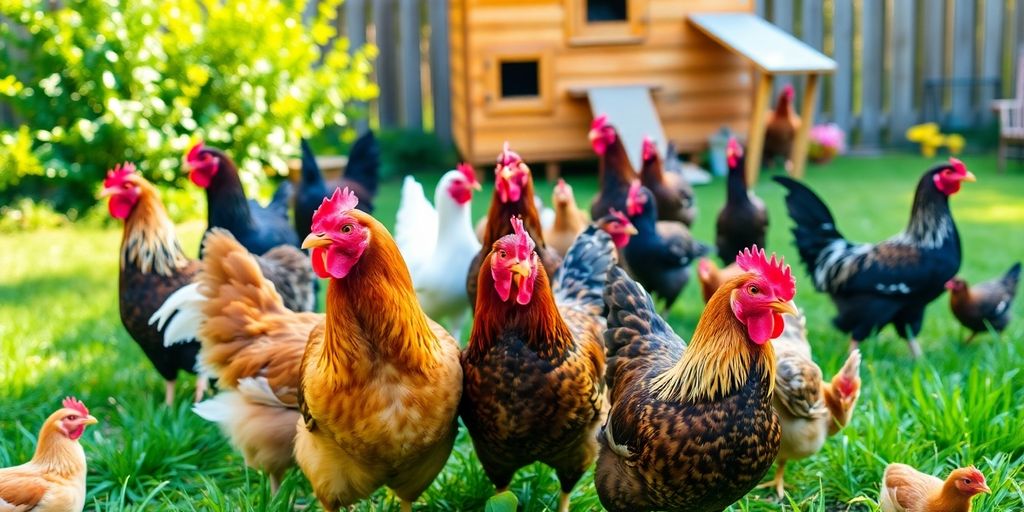
Okay, so you’re thinking about getting chickens? Awesome! One of the first things you gotta figure out is what kind of chickens you want. It’s not just about looks; different breeds have different personalities, egg-laying abilities, and even how well they handle the cold. It can be a bit overwhelming, but let’s break it down.
Popular Breeds For Beginners
When you’re just starting out, some breeds are way easier to manage than others. These breeds are generally docile, good layers, and pretty hardy. Think of them as the “beginner-friendly” chickens. Here are a few that are often recommended:
- Orpingtons: These are big, fluffy, and super friendly. They lay a decent amount of eggs and handle cold weather well. Plus, they’re just fun to have around.
- Rhode Island Reds: These are egg-laying machines! They’re also pretty tough and can adapt to different environments. They can be a bit bossy, though, so keep that in mind.
- Plymouth Rocks: These are another good all-around breed. They’re friendly, lay well, and are pretty cold-hardy. They come in different colors, too, which is a bonus.
- Sussex: A dual-purpose breed, meaning they’re good for both meat and eggs. They’re calm, curious, and good cold-hardy birds.
- Wyandottes: Beautiful birds that are also good layers and cold-hardy. They’re a bit more active than some other breeds, so they need a bit more space.
Considerations For Egg Production
Let’s be real, most people get chickens for the eggs! But not all chickens are created equal when it comes to egg production. Some breeds lay almost every day, while others are a bit more relaxed about it. If you want a steady supply of eggs, here’s what to consider:
- Egg Color: Do you want brown eggs, blue eggs, or something else? Different breeds lay different colored eggs. For example, Ameraucanas lay blue or green eggs, while Marans lay dark brown eggs.
- Egg Size: Some breeds lay larger eggs than others. If you want jumbo eggs, look for breeds known for their large egg size.
- Laying Frequency: Some breeds are just more productive than others. Rhode Island Reds and Leghorns are known for their high egg production.
Keep in mind that egg production slows down in the winter and as chickens get older. So, you might want to consider getting new chicks every few years to keep your egg supply up.
Temperament And Behavior
Chickens have personalities, believe it or not! Some are friendly and love to be petted, while others are more independent and prefer to do their own thing. Think about what kind of chickens you want to interact with. Do you want chickens that will follow you around the yard, or do you prefer chickens that are a bit more hands-off?
- Docile Breeds: Orpingtons, Sussex, and Silkies are known for their gentle and friendly personalities. They’re great for families with kids.
- Independent Breeds: Leghorns and Rhode Island Reds can be a bit more independent and less interested in human interaction. They’re still good chickens, but they might not be as cuddly.
- Roosters: If you’re planning on having a rooster, keep in mind that they can be noisy and protective. Some breeds are more aggressive than others. It’s important to teach kids to respect the rooster. If you just want eggs, you don’t need a rooster at all. Chickens will lay eggs without a rooster, they just won’t be fertilized. You don’t need a cockerel for chickens to lay eggs.
Setting Up A Chicken Coop
Before you even bring those fluffy little chicks home, you’ve got to have their living space sorted. It’s like getting the nursery ready before the baby arrives! Don’t rush into buying laying hens before you have a suitable coop and run ready for them. Trust me, it’ll save you a lot of stress.
Essential Coop Features
Your coop needs to be more than just a pretty shed. It’s their safe haven, their bedroom, and sometimes, their escape from bad weather. Think of it as a fortress against predators and a cozy retreat all in one. Here’s what you absolutely need:
- Nesting Boxes: These are where your hens will lay their eggs. Aim for about one nesting box for every three hens. We use straw in ours, and the chickens seem to like it.
- Roosts: Chickens like to sleep off the ground, so provide roosting bars. Make sure they’re high enough that the chickens feel safe but not so high that they risk injury jumping down.
- Ventilation: Good airflow is key to preventing moisture buildup and respiratory problems. But avoid drafts! You want air circulating, not blowing directly on your birds.
- Droppings Board: Place a board under the roosts to catch droppings. This makes cleaning much easier. Trust me, your nose will thank you.
- Secure Doors and Windows: Raccoons, foxes, and even neighborhood dogs can be a threat. Make sure everything is latched and secure.
Space Requirements For Chickens
Space is super important. Overcrowding can lead to stress, pecking, and disease. Here’s a general guideline:
- Coop: Aim for at least 4 square feet per chicken inside the coop.
- Run: Provide at least 10 square feet per bird in the outdoor run. The more space, the better!
If you can swing it, a larger run is always a good idea. Chickens love to forage and explore, and more space means happier, healthier birds. Some people use a mobile chicken coop to move their flock around the property.
Ventilation And Safety Tips
Ventilation and safety are non-negotiable. Here are some things to keep in mind:
- Predator-Proofing: Use heavy-gauge wire mesh for the run, not chicken wire (it’s not strong enough). Bury the wire a foot deep to prevent digging predators.
- Ventilation Placement: Place vents high up in the coop to allow warm, moist air to escape without creating drafts.
- Regular Cleaning: Clean the coop regularly to prevent the buildup of ammonia and bacteria. A clean coop is a healthy coop.
- Secure the Run: Cover the run with netting to protect against hawks and other aerial predators. We recently covered our run completely with chicken wire because hawks are a big issue in our area.
Think about the long-term when setting up your coop. It’s not just about providing shelter; it’s about creating a safe, comfortable, and enriching environment for your flock. A well-designed coop will make your life easier and your chickens happier.
Caring For Your Chickens
Alright, so you’ve got your coop set up and your chickens are settling in. Now comes the part where you actually, you know, care for them. It’s not rocket science, but it does take some dedication. Think of them as feathered, egg-laying dogs that need a bit more attention to their living space.
Feeding Guidelines For Healthy Chickens
What you feed your chickens directly impacts their health and egg production. A balanced diet is key. You can’t just toss them any old scraps and expect them to thrive.
- Start with a good quality commercial feed: Look for layer feed that’s specifically formulated for laying hens. This will ensure they get the right balance of protein, calcium, and other nutrients. chicken feed is important for their health.
- Supplement with treats: Chickens love treats, but don’t overdo it. Too many treats can lead to nutritional imbalances. Good options include fruits, vegetables, and mealworms.
- Provide grit: Grit helps chickens digest their food properly. You can buy grit at most feed stores.
Don’t feed your chickens avocado pits or skins, chocolate, caffeine, salty foods, or raw dried beans. These can be toxic to chickens.
Watering Needs And Solutions
Chickens need constant access to fresh, clean water. This is especially important in hot weather.
- Use a poultry waterer: These are designed to keep the water clean and prevent spills.
- Check the water daily: Make sure the waterer is full and that the water is clean. Change the water as needed.
- Consider a heated waterer in winter: If you live in a cold climate, you’ll need a heated waterer to prevent the water from freezing.
Health Care And Common Issues
Just like any other animal, chickens can get sick. It’s important to be aware of common health issues and how to prevent them.
- Parasite Prevention: Regularly check your chickens for mites, lice, and worms. Treat as needed with appropriate medications.
- Cleanliness is Key: A clean coop reduces the risk of disease. Regularly clean and disinfect the coop and run.
- Quarantine New Birds: Before introducing new chickens to your flock, quarantine them for at least 30 days to make sure they’re healthy.
| Issue | Symptoms | Prevention/Treatment |
|---|---|---|
| Mites/Lice | Itching, feather loss, decreased egg production | Dust baths, insecticide sprays/powders |
| Worms | Diarrhea, weight loss, decreased egg production | Regular deworming with appropriate medications |
| Coccidiosis | Bloody diarrhea, lethargy | Keep coop clean, medicated feed for chicks |
Raising Chicks To Adults
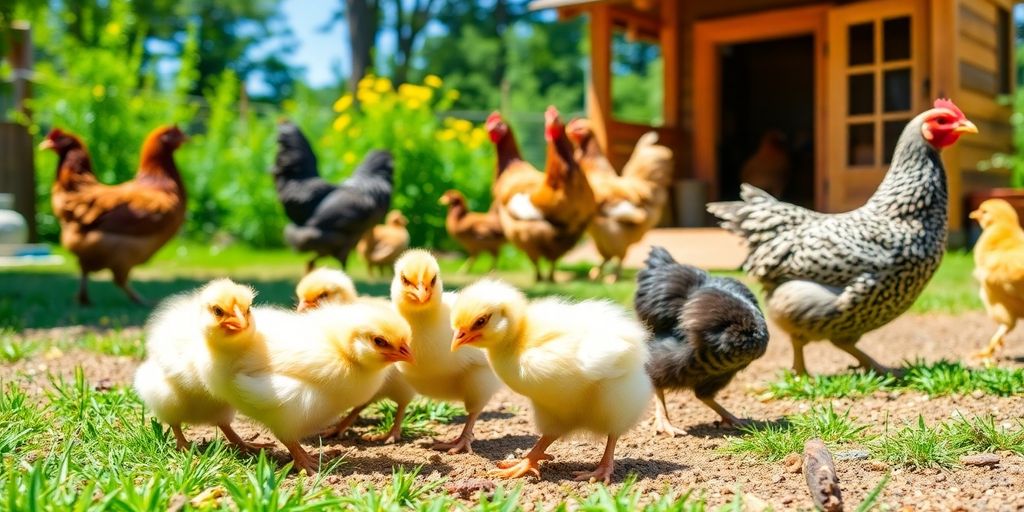
Brooding Chicks: What You Need
Okay, so you’ve got your little fluffballs! Now what? The first few weeks are crucial for chick development. You’ll need a brooder – basically, a safe, warm space for them. Think of it as their nursery. A large plastic storage bin works great, topped with chicken wire to keep them in (and curious pets out!).
Here’s a quick checklist:
- Heat Source: A heat lamp is a must. Keep it around 95°F (35°C) for the first week, then reduce it by 5°F each week until they’re fully feathered. Watch the chicks – if they’re huddled under the lamp, they’re too cold; if they’re avoiding it, they’re too hot.
- Bedding: Pine shavings are a good choice. Avoid newspaper, as it can be slippery and cause leg problems. Weekly bedding replacement is a must.
- Food and Water: Chick starter feed and fresh, clean water should always be available. Use chick-sized feeders and waterers to prevent drowning.
- Chick Grit: Sprinkle chick grit on their feed to help them digest their food properly.
Raising chicks is a commitment. They need constant care and attention, but it’s incredibly rewarding to watch them grow from tiny balls of fluff into healthy, egg-laying hens.
Transitioning Chicks To The Coop
Once your chicks are fully feathered (around 6 weeks old), and the weather is warm enough, they can move to the coop. This is a big step! Make sure the coop is ready for them. It needs to be clean, dry, and secure from predators.
Here’s what to consider:
- Temperature: Don’t move them out too early! They still need warmth, especially at night. If the nights are still chilly, you might need to provide supplemental heat in the coop.
- Space: Make sure they have enough room to move around. Overcrowding can lead to stress and disease.
- Protection: The coop needs to be predator-proof. Secure the perimeter with hardware cloth, and make sure there are no gaps or holes.
Socialization And Handling Tips
Handling chicks from a young age makes them more friendly and easier to handle as adults. Start by gently picking them up for short periods. Talk to them in a soft voice. Offer them treats from your hand.
Here are some tips for socializing your chicks:
- Start Early: The sooner you start handling them, the better.
- Be Gentle: Never squeeze or drop them.
- Be Patient: It takes time for them to get used to you.
Remember, chickens have a social structure, so introduce new chicks to an existing flock carefully. Supervise their interactions to prevent bullying. It’s best to introduce them slowly, allowing them to get used to each other through a wire fence before putting them together completely. This helps establish the pecking order without serious injuries. And remember, hens don’t need a rooster to produce eggs!
Maintaining A Healthy Flock
It’s easy to think once your chickens are adults, the hard work is over. Not quite! Keeping your flock healthy requires ongoing attention and preventative measures. A little effort goes a long way in preventing problems down the road.
Biosecurity Measures To Implement
Biosecurity is all about preventing diseases from entering your flock. It’s like having a security system for your chickens! One year I got chickens from another farmer and didn’t quarantine them. A respiratory virus spread through my whole flock, and I had to cull them all. It was a huge setback. Always source from trusted places.
Here are some key steps:
- Quarantine new birds: Keep any new chickens separate from your existing flock for at least 30 days. This gives you time to observe them for any signs of illness.
- Control visitors: Limit access to your chicken area. If visitors do enter, make sure they wear clean shoes or boot covers.
- Cleanliness is key: Regularly clean and disinfect your coop and equipment. This includes feeders, waterers, and any tools you use.
- Rodent and pest control: Implement a program to control rodents and other pests, as they can carry diseases. Chickens love being able to scratch on grass, eat pests like ticks, and dust bathe.
Think of your chicken coop like a hospital. You want to keep it clean and prevent any germs from getting in. A little prevention can save you a lot of heartache (and dead chickens) later on.
Signs Of Illness In Chickens
Knowing what a healthy chicken looks like is the first step in spotting problems. Here are some signs that something might be wrong:
- Changes in behavior: Look for decreased activity, loss of appetite, or isolation from the flock.
- Respiratory issues: Watch for coughing, sneezing, or difficulty breathing.
- Abnormal droppings: Diarrhea or unusual colors can indicate a problem.
- Changes in egg production: A sudden drop in egg production can be a sign of illness or stress.
- Physical abnormalities: Check for wounds, parasites, or unusual growths. Chickens need consistent access to clean drinking water.
If you notice any of these signs, it’s important to take action quickly. Isolate the sick bird and consult with a vet or experienced poultry keeper.
Regular Health Checks And Vaccinations
Regular health checks are like giving your chickens a physical exam. It’s a chance to catch problems early before they become serious. Here’s what to look for:
- Body condition: Check that your chickens are a healthy weight. They shouldn’t be too thin or too fat.
- Feather condition: Look for signs of feather loss, parasites, or pecking.
- Legs and feet: Check for injuries, swelling, or scaly leg mites.
- Eyes and beak: Make sure their eyes are bright and clear, and their beak is in good condition.
Vaccinations can help protect your chickens from certain diseases. Talk to your vet about which vaccinations are recommended in your area. Also, provide good [nesting boxes](#0273]—one for every four hens—elevated off the floor and lined with straw.
| Checkup Area | What to Look For | Action if Problem Found |
|---|---|---|
| Body | Healthy weight, no injuries | Adjust feed, treat injuries |
| Feathers | Full, clean, no parasites | Treat parasites, address pecking issues |
| Legs/Feet | No swelling, injuries, or scaly leg mites | Treat injuries, address mites |
| Eyes/Beak | Clear eyes, healthy beak | Consult vet if issues persist |
Understanding Chicken Behavior
Social Structure And Pecking Order
Okay, so chickens aren’t just randomly pecking at the ground all day. They’ve got a whole social thing going on, and it’s more complex than you might think. The pecking order is real, and it determines who gets first dibs on food, the best roosting spots, and, well, who gets pecked. It’s usually pretty obvious who’s in charge – they strut around like they own the place. New chickens joining the flock? Expect some drama as they figure out where they fit in. It’s all about establishing dominance, but once it’s settled, things usually calm down.
Common Behaviors To Observe
Chickens do a lot more than just eat and lay eggs. Paying attention to their behaviors can tell you a lot about their health and happiness. Here are a few things I’ve noticed:
- Dust bathing: They dig a hole and roll around in the dirt. It’s how they keep mites and lice away. If they aren’t dust bathing, something might be off.
- Preening: They use their beaks to clean and arrange their feathers. It’s like a chicken spa day.
- Roosting: Roosting at night is a big deal. They need a safe place to sleep, off the ground, away from predators.
- Egg-laying rituals: Some hens get really vocal before laying an egg, announcing it to the whole world. Others are quiet and secretive.
Understanding these behaviors helps you catch problems early. A chicken that’s suddenly withdrawn or stops eating is probably not feeling well.
Enrichment Activities For Chickens
Happy chickens lay more eggs, right? Keeping them entertained is key. Bored chickens can get aggressive and start pecking at each other. Here are some ideas to keep them busy:
- Hang a cabbage or lettuce head for them to peck at. It’s like a chicken piñata.
- Give them a pile of leaves or straw to scratch through. They love foraging.
- Build them a chicken swing or a little ramp to climb on. It adds some fun to their coop.
- Rotate their environment. Move things around in their run to give them new things to explore. This helps with chicken health.
Harvesting Eggs And Beyond
When To Expect Eggs
Okay, so you’ve got your chickens, they’re happily clucking around, and you’re probably wondering, “When do I get my first egg?” Generally, most breeds start laying around 6 months old, but it can vary. Some might start a bit earlier, some a bit later. It really depends on the breed, the time of year they were born, and their overall health. Keep an eye out for signs like squatting when you approach them, or increased interest in the nesting boxes.
- Pullets (young hens) usually start with smaller eggs, sometimes called “pullet eggs.”
- The first few eggs might be oddly shaped or have double yolks – don’t worry, that’s normal!
- Provide a good quality feed formulated for laying hens to support egg production.
It’s important to remember that egg production isn’t constant. Chickens tend to lay more eggs in the spring and summer when there’s more daylight. Production usually slows down in the fall and winter. Don’t be alarmed if your hens take a break; it’s natural.
Collecting And Storing Eggs
Collecting eggs is one of the most rewarding parts of keeping chickens! Aim to collect eggs daily, or even twice a day, especially during warmer months. This reduces the chance of them getting dirty, broken, or eaten by your chickens. Use a basket or egg apron to collect them gently.
- Wash your hands before and after collecting eggs.
- Check for cracks or damage before storing.
- Store eggs in the refrigerator, pointy end down, to help them stay fresh longer.
Here’s a quick guide to egg storage:
| Storage Method | Shelf Life |
|---|---|
| Refrigerator | 4-5 weeks |
| Room Temperature | A few hours max |
Using Eggs In Your Kitchen
Fresh eggs from your own chickens are a real treat! They taste amazing and are perfect for all sorts of cooking and baking. Backyard chicken eggs often have richer, more vibrant yolks than store-bought eggs, thanks to the chickens’ varied diet. One bird will lay, on average, 4-5 eggs per week.
- Use them for omelets, quiches, and frittatas.
- Bake delicious cakes, cookies, and breads.
- Make homemade pasta or mayonnaise.
Wrapping It Up
So there you have it! Raising chickens can be a fun and rewarding experience, even if it feels a bit overwhelming at first. Just take it slow and don’t rush into things. Start with the basics, and before you know it, you’ll be enjoying fresh eggs and the company of your feathery friends. Remember, every chicken keeper has their own journey, so learn from your mistakes and celebrate your successes. Happy chicken raising!
Frequently Asked Questions
What are the best chicken breeds for beginners?
Some popular chicken breeds for beginners include Rhode Island Reds, Leghorns, and Orpingtons. These breeds are friendly, hardy, and good at laying eggs.
How much space do chickens need?
Chickens need at least 4 square feet per bird in the coop and about 10 square feet in an outdoor run to stay happy and healthy.
What do chickens eat?
Chickens should have a balanced diet that includes chicken feed, grains, and fresh fruits and vegetables. They also enjoy snacks like kitchen scraps.
How can I tell if my chicken is sick?
Signs of illness in chickens include lethargy, lack of appetite, unusual droppings, and changes in behavior. If you notice these signs, consult a vet.
When do chickens start laying eggs?
Chickens typically start laying eggs around 5 to 6 months old, depending on the breed and their living conditions.
How should I collect and store eggs?
Collect eggs daily to keep them clean and fresh. Store them in the refrigerator and use them within a few weeks for the best quality.