“This post contains affiliate links. As an Amazon Associate, I earn from qualifying purchases”
If you’re looking to cut down on calories but still want that creamy goodness in your dishes, low-fat milk can be a great stand-in for heavy cream. This guide will walk you through everything you need to know about making the switch, from understanding what heavy cream is to how to use low-fat milk in your favorite recipes. Trust me, it’s easier than you think!
Key Takeaways
- Low-fat milk is a lighter alternative to heavy cream, lowering calorie intake.
- It can be used in various recipes, from sauces to baked goods, although it won’t whip like heavy cream.
- Mixing low-fat milk with butter or flour can help achieve a creamier texture.
- Always test substitutions in small amounts to find the right balance for your dish.
- Low-fat milk can be combined with yogurt or other ingredients for added creaminess.
Understanding Heavy Cream Alternatives
What Is Heavy Cream?
Heavy cream, sometimes called heavy whipping cream, is the high-fat part of fresh milk. When milk sits, the heavy cream rises to the top and can be skimmed off. It’s known for its rich flavor and thick texture, making it a staple in many recipes. It contains at least 36% milk fat, which is higher than other cream types like whipping cream or half-and-half. However, because it’s high in fat and a dairy product, it might not be suitable for everyone.
Nutritional Profile of Heavy Cream
Heavy cream is definitely calorie-dense. A single tablespoon packs a significant amount of fat, including saturated fat. It also contains some vitamins, like A and D, but it’s not exactly a health food. Here’s a quick look at the nutritional breakdown per tablespoon:
| Nutrient | Amount |
|---|---|
| Calories | 51 |
| Total Fat | 5.7g |
| Saturated Fat | 3.5g |
| Cholesterol | 21mg |
| Vitamin A | 3% DV |
While heavy cream adds richness to dishes, it’s important to consider its high fat and calorie content, especially if you’re watching your intake. There are many ways to get a similar result with fewer calories, as we’ll explore later.
Common Uses of Heavy Cream
Heavy cream is incredibly versatile in the kitchen. It’s used in both sweet and savory dishes. Here are some common applications:
- Desserts: Whipped cream, ice cream, custards, and chocolate ganache all rely on heavy cream for their texture and flavor.
- Sauces: It adds richness and thickness to pasta sauces, cream sauces for meats, and even soups. You can use it to make a delicious mashed potatoes.
- Baking: Heavy cream can add moisture and tenderness to baked goods like cakes and scones. It’s also essential for making homemade butter. It’s also used to make ice cream.
- Beverages: Some people add a splash of heavy cream to coffee or cocktails for extra richness.
Benefits of Using Low-Fat Milk
Lower Calorie Count
Okay, let’s be real. One of the biggest reasons people switch to low-fat milk is the calorie difference. It’s a simple way to cut back without sacrificing that creamy texture in your coffee or recipes. Think about it: those calories from heavy cream can really add up, especially if you’re using it daily. Low-fat milk offers a lighter alternative, letting you enjoy your favorite foods without the extra baggage. It’s not just about calories, though; it’s about making smarter choices that fit your overall health goals.
Nutritional Advantages
Low-fat milk isn’t just about what it doesn’t have (fat); it’s also about what it does have. You still get a good dose of calcium and vitamin D, which are super important for bone health. Plus, many brands fortify their low-fat milk with extra vitamins and minerals. It’s a win-win! You’re cutting back on fat while still getting essential nutrients. It’s a pretty solid choice if you’re trying to eat healthier without making drastic changes. For example, whole milk has a higher fat content.
Versatility in Recipes
Don’t think that using low-fat milk means you’re stuck with bland, boring food. It’s surprisingly versatile! You can use it in tons of recipes, from soups and sauces to baked goods. Sure, you might need to make a few tweaks here and there, but it’s totally doable. Here are some ideas:
- Soups: Adds creaminess without the heaviness.
- Sauces: Works well as a base for lighter sauces.
- Baking: Can be used in cakes, muffins, and more (may need adjustments).
Using low-fat milk is a great way to lighten up your favorite recipes without completely changing the taste or texture. It might take a little experimenting to get it just right, but the results are worth it. Plus, you’ll feel better about what you’re eating.
How to Substitute Low-Fat Milk for Heavy Cream
Basic Substitution Ratio
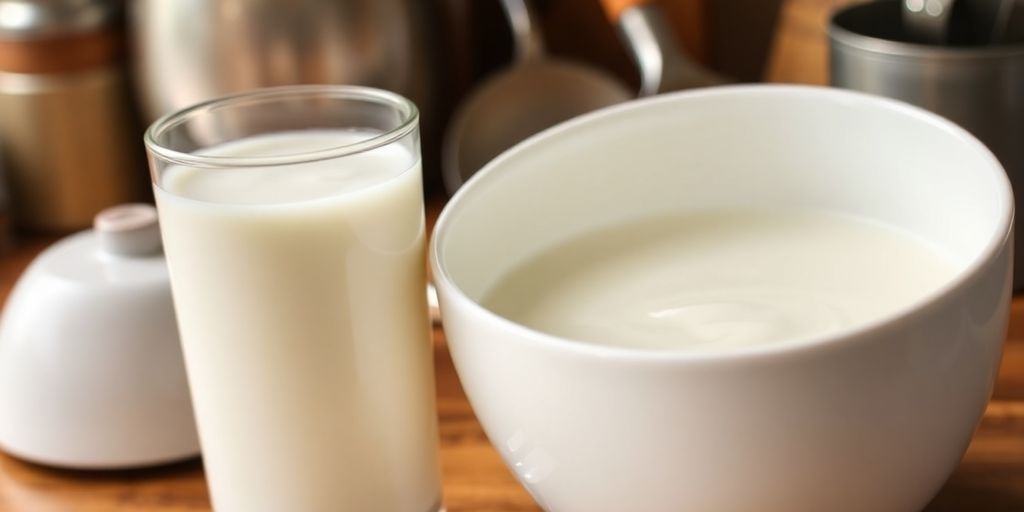
Okay, so you’re thinking about swapping out heavy cream for low-fat milk. It’s doable, but you can’t just do a straight one-to-one swap. The key is understanding that low-fat milk lacks the fat content that gives heavy cream its richness and thickness. You’ll need to compensate for that somehow. A simple starting point is to use a larger volume of low-fat milk than you would heavy cream, but that might make your recipe too liquidy. Keep reading for better options!
Mixing Techniques
To get low-fat milk closer to heavy cream consistency, you’ll need to get creative with mixing. Here are a few ideas:
- Butter Boost: Melt some butter and whisk it into the low-fat milk. This adds fat back into the mix. A good starting point is 1/4 cup of melted butter for every 3/4 cup of low-fat milk to replace 1 cup of heavy cream. This is a great way to increase the fat content.
- Flour Power: Whisk in a little flour (like a tablespoon per cup) to thicken the milk. Make sure to whisk it really well to avoid lumps. This is especially useful if you’re using skim milk.
- Cornstarch Solution: Similar to flour, cornstarch can thicken the milk. Use about 2 tablespoons of cornstarch per cup of milk. Mix the cornstarch with a little cold milk before adding it to the rest to prevent clumping.
Best Recipes for Substitution
Low-fat milk works best in recipes where heavy cream is primarily used for adding liquid and a bit of richness, not for its whipping capabilities. Think about these:
- Soups and Sauces: Low-fat milk is a decent substitute in creamy soups or sauces, especially if you use one of the thickening methods mentioned above. Just be careful not to boil it too vigorously, or it might curdle.
- Baked Goods (with adjustments): You can use low-fat milk in muffins, cakes, or quick breads, but you might need to add a little extra fat (like oil or melted butter) to keep them moist. Don’t expect the same level of richness as with heavy cream.
- Casseroles: Low-fat milk can work well in casseroles, especially if there are other creamy elements involved, like cheese. It’s a good way to cut down on calories without sacrificing too much flavor. For a vegan alternative to heavy cream, consider using soy milk with olive oil.
Remember, substituting low-fat milk for heavy cream is always a compromise. You’re trading fat and richness for fewer calories. It’s about finding the right balance for your taste and dietary needs. Don’t be afraid to experiment and adjust the recipe to your liking.
Combining Low-Fat Milk with Other Ingredients
Adding Butter for Richness
Okay, so low-fat milk is, well, low in fat. That’s the whole point. But sometimes you need that richness that heavy cream provides. The easiest fix? Butter! Adding melted butter to low-fat milk can mimic the fat content and texture of heavy cream. It’s not a perfect swap, but it gets you closer. For example, you can combine 3/4 cup of low-fat milk with 1/4 cup of melted butter to replace 1 cup of heavy cream. This works well in many recipes, but keep in mind it might not whip as nicely. It’s a good last-minute alternative if you’re out of heavy cream and need it for a recipe. The butter adds extra fat to the milk, making its fat percentage similar to that of heavy cream.
Using Flour to Thicken
Another trick to get low-fat milk closer to heavy cream consistency is to use flour as a thickening agent. This is especially useful in sauces and soups where you want a creamy texture without all the fat. Just be careful not to add too much, or you’ll end up with a gloopy mess. A little goes a long way. You can use whole milk or opt for skim milk to help slash the calories and fat content of your recipe. This substitute is especially useful in cooking, but it may alter the texture of baked goods and will not whip as well as heavy cream.
Incorporating Yogurt for Creaminess
If you’re looking for a tangy twist and extra creaminess, yogurt is your friend. Plain yogurt, especially Greek yogurt, can add a lovely thickness and flavor to low-fat milk. It’s great in smoothies, dips, and even some baked goods. Just remember that yogurt has a distinct flavor, so it might not work in every recipe. It’s also a good way to add some protein. Here’s a quick guide:
- Smoothies: Add 1/4 cup of yogurt per cup of low-fat milk.
- Dips: Mix equal parts yogurt and low-fat milk.
- Baked Goods: Substitute half the low-fat milk with yogurt.
Using yogurt is a great way to boost the nutritional value of your dish while also adding a creamy texture. It’s a win-win! Just be mindful of the flavor profile and adjust your seasonings accordingly.
Cooking and Baking with Low-Fat Milk
Ideal Recipes for Low-Fat Milk
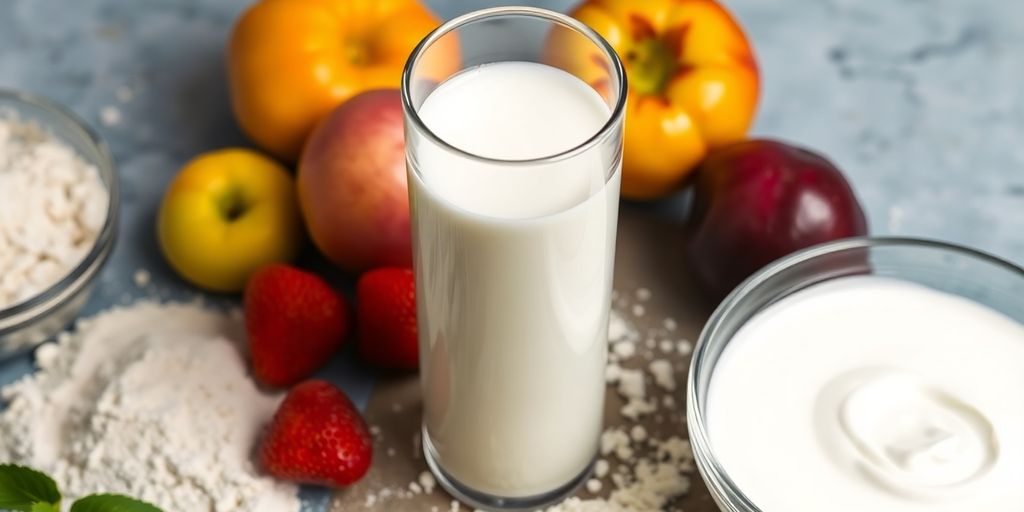
Low-fat milk shines in recipes where richness isn’t the primary goal. Think soups, sauces, and some baked goods where a lighter texture is acceptable. It works great in things like:
- Creamy tomato soup (it cuts the richness nicely).
- Lightened-up mashed potatoes (add some roasted garlic for extra flavor!).
- Pancakes and waffles (they’ll be a bit less dense).
Using low-fat milk is a simple way to reduce the overall fat content of your meals without sacrificing flavor entirely. It’s about finding the right balance and understanding where the substitution works best.
Adjusting Cooking Times
When using low-fat milk, you might notice slight differences in cooking times, especially in sauces. Because it has less fat, it can evaporate faster. Keep a close eye on your dish and be prepared to add a little extra liquid (water or broth) if it starts to get too thick too quickly. This is especially true for recipes that require simmering for extended periods. For example, when making a cream substitute based sauce, stir frequently to prevent scorching.
Texture Considerations
The biggest difference you’ll notice with low-fat milk is in the texture. It won’t provide the same creamy mouthfeel as heavy cream. Here’s what to expect:
- Sauces might be thinner.
- Baked goods might be less moist.
- It won’t whip into stiff peaks like heavy cream.
To compensate, consider these tips:
- Use a thickening agent like cornstarch or flour.
- Add a touch of butter or oil for richness (but be mindful of the fat content!).
- Don’t expect the same results in recipes that heavily rely on heavy cream for structure, like whipped cream or very rich custards. For vegan options, consider using coconut cream instead.
Comparing Low-Fat Milk to Other Cream Substitutes
Evaporated Milk
Evaporated milk is a shelf-stable dairy product with about 60% of the water removed. It’s often used as a heavy cream alternative in cooking and baking. It’s lower in fat and calories than heavy cream, but it also lacks the richness and thickness. You can usually substitute it in equal amounts, but be aware that it won’t whip. It works best in recipes where heavy cream is a liquid ingredient, like sauces or baked goods.
Coconut Cream
Coconut cream is derived from coconut milk and has a high fat content, making it a suitable vegan substitute for heavy cream. It’s especially good in desserts and curries. However, it does impart a distinct coconut flavor, which may not be desirable in all recipes. To use, chill a can of full-fat coconut milk, then scoop out the thick cream that separates at the top. The remaining liquid can be used in smoothies or other recipes. It’s important to note that coconut cream has a different texture than dairy cream, and it may not behave the same way in all recipes.
Greek Yogurt
Greek yogurt is a tangy and thick dairy product that can be used as a healthier substitute for heavy cream. It’s packed with protein and lower in fat, but it can also add a noticeable tang to your dishes. It’s best used in savory applications like dips, sauces, and soups. When using Greek yogurt in hot dishes, it’s important to add it at the end of cooking to prevent curdling. You can also mix it with a little bit of milk or water to thin it out and make it easier to incorporate. It won’t whip like heavy cream, but it can add a creamy texture to many recipes.
When choosing a cream substitute, consider the flavor profile, fat content, and intended use in the recipe. Each substitute has its own unique characteristics that can affect the final outcome of your dish.
Tips for Successful Substitutions
Testing in Small Batches
Before you commit to swapping out heavy cream in your favorite dish, it’s a good idea to experiment with a smaller portion first. This way, you can gauge how the low-fat milk affects the overall taste and texture without ruining an entire recipe. I did this last week when I was trying to make a creamy tomato soup. I made a tiny batch, and it turned out way too watery. Glad I didn’t make a huge pot!
Adjusting Seasoning
When you switch from heavy cream to low-fat milk, you might find that the dish needs a little extra something to compensate for the missing richness. Don’t be afraid to play around with your seasonings. A pinch more salt, a dash of pepper, or even a squeeze of lemon juice can make a big difference. I often find that adding a little garlic powder helps bring back some of that depth. Also, remember that cottage cheese can be high in sodium. You may want to opt for a lower-sodium variety or adjust the amount of salt in your recipe.
Monitoring Consistency
One of the biggest challenges with using low-fat milk as a heavy cream substitute is getting the right consistency. Low-fat milk is obviously thinner, so you’ll need to keep a close eye on your dish as it cooks. You might need to simmer it for a bit longer to help it thicken up, or you could use a thickening agent like cornstarch or flour. I’ve found that stirring frequently helps prevent the mixture from separating or becoming too thin. You can add extra protein to a recipe by using Greek yogurt as a stand-in for heavy cream.
It’s important to remember that every recipe is different, and what works in one might not work in another. Be patient, be willing to experiment, and don’t be afraid to make mistakes. That’s how you’ll learn what works best for your taste and your cooking style.
Wrapping It Up
So, there you have it! Low-fat milk can really step in for heavy cream in a pinch. It might not whip up like heavy cream, but it works great in cooking and baking. Just remember, if you’re looking for that rich, creamy taste, you might need to tweak your recipes a bit. Mixing it with some melted butter can help boost the flavor and texture. Whether you’re trying to cut calories or just ran out of heavy cream, low-fat milk is a solid choice. Give it a shot next time you’re in the kitchen!
Frequently Asked Questions
What is heavy cream used for?
Heavy cream is often used in recipes for soups, sauces, and desserts because it adds richness and creaminess.
Can I use low-fat milk instead of heavy cream?
Yes, you can use low-fat milk as a substitute for heavy cream, but the texture and flavor may be different.
How do I substitute low-fat milk for heavy cream in a recipe?
A good rule is to mix 3/4 cup of low-fat milk with 1/4 cup of melted butter to replace 1 cup of heavy cream.
Will my dish taste the same if I use low-fat milk?
The taste might not be exactly the same, but low-fat milk can still provide good flavor in many dishes.
Is low-fat milk healthier than heavy cream?
Yes, low-fat milk has fewer calories and less fat than heavy cream, making it a healthier option.
Can I whip low-fat milk like heavy cream?
No, low-fat milk does not whip well like heavy cream, so it won’t create the same fluffy texture.