“This post contains affiliate links. As an Amazon Associate, I earn from qualifying purchases”
Thinking about raising chickens in your backyard? You’re in the right spot! This guide will walk you through everything you need to know about how to raise chickens in your backyard for fresh eggs and a bit of fun. From setting up your space to choosing the right breeds, we’ve got you covered. You’ll be ready to enjoy the freshest eggs and the joy of keeping these quirky little creatures in no time!
Key Takeaways
- Assess your backyard space and ensure you have the right setup for chickens.
- Choose breeds that suit your needs, especially if you’re a beginner.
- Build a coop that protects your chickens from weather and predators.
- Feed your chickens a balanced diet and give them occasional treats.
- Regular care and health checks are essential for happy, healthy chickens.
Preparing Your Backyard For Chickens
So, you’re thinking about getting chickens? Awesome! But before you bring home those fluffy little butts, you need to get your backyard ready. It’s not as simple as just letting them loose. There are a few things to consider to keep your chickens safe, happy, and your yard somewhat intact.
Assessing Space Requirements
First things first: how much space do you really have? Chickens need room to roam, scratch, and generally be chickens. A good rule of thumb is at least 4 square feet per chicken inside the coop and 8-10 square feet per chicken in the run. If you’re planning on letting them free-range, even better, but make sure it’s a safe and secure area. Don’t underestimate how much space they need; a cramped chicken is an unhappy (and unproductive) chicken.
Choosing the Right Location
Location, location, location! Just like real estate, it’s all about where you put that coop. You’ll want a spot that’s:
- Well-drained: Nobody wants a soggy chicken coop.
- Partially shaded: Chickens need relief from the hot sun, especially during the summer.
- Protected from wind: A sheltered spot will keep them warmer in the winter.
- Close to a water source: Makes refilling their waterer much easier.
- Relatively flat: Building on a slope is a pain.
Also, think about your neighbors. A little distance can go a long way in keeping the peace (and avoiding complaints about noise or smells). Consider the pest insect population in your area, as chickens can help with that.
Understanding Local Regulations
This is a big one, and you absolutely need to do your homework. Many cities and towns have ordinances about keeping chickens, and HOAs can be even stricter. You might find restrictions on:
- The number of chickens you can have.
- Whether you can have roosters (most places don’t allow them).
- How far the coop needs to be from property lines.
- Permitting requirements.
Don’t skip this step! Imagine building a beautiful coop and getting a letter telling you to get rid of your flock. Check with your local government and HOAs before you even start planning. It’s better to be safe than sorry. Also, be aware of any dangerous materials in the area, like pesticides or rat poison, that could harm your chickens.
Think of preparing your backyard like toddler-proofing. Chickens will peck at anything, so remove hazards. Also, consider how you’ll protect your garden. Chickens love to eat bugs, but they also love to dig in mulch and scratch up your plants. You might need to fence off certain areas to keep them out of trouble. Remember, weekly replacement of bedding is crucial for maintaining a clean and healthy environment for your chickens.
Selecting The Best Chicken Breeds
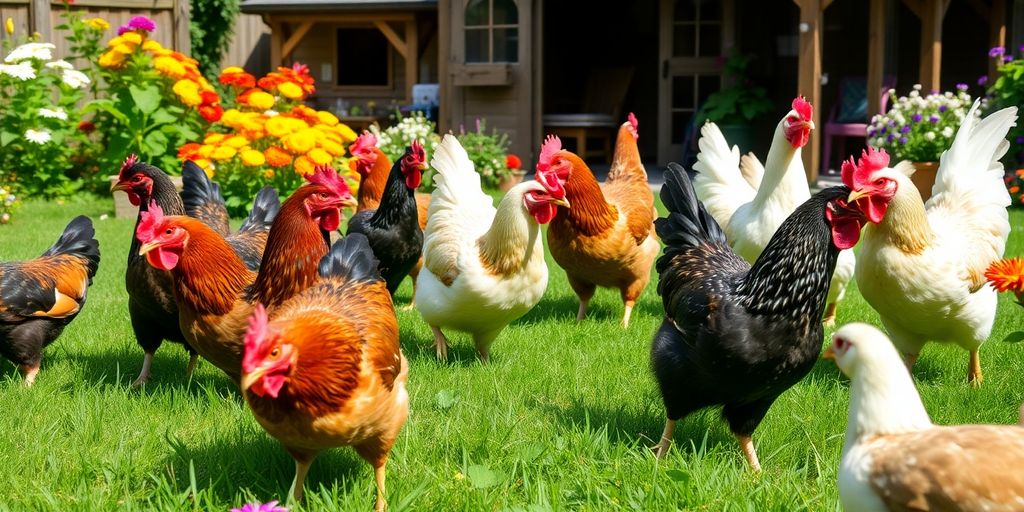
Choosing the right chicken breeds is a big deal. It really impacts your egg production, the overall vibe of your backyard, and how much work you’ll have to put in. There are so many breeds out there, it can feel overwhelming. But don’t worry, we’ll break it down.
Top Breeds For Beginners
Okay, so you’re new to this whole chicken thing? No sweat. Some breeds are just easier to handle than others. These breeds are generally docile, hardy, and good egg layers, making them perfect for first-timers.
Here are a few rockstars to consider:
- Rhode Island Reds: These are super popular for a reason. They’re friendly, lay a ton of eggs, and can handle different climates. Plus, they’re pretty low-maintenance.
- Orpingtons: If you want a chicken that’s basically a pet, go for an Orpington. They’re big, fluffy, and super gentle. They don’t lay as many eggs as some other breeds, but their personalities make up for it.
- Plymouth Rocks: These are another great all-around breed. They’re good layers, friendly, and can tolerate cold weather. They’re also pretty easy to find at hatcheries.
Egg Production Rates
Let’s talk eggs. If you’re raising chickens for eggs, you’ll want to know how many you can expect. Different breeds lay different amounts, and it can vary based on age, health, and time of year.
Here’s a rough idea of what you can expect:
| Breed | Average Eggs Per Year |
|---|---|
| Rhode Island Red | 250-300 |
| Leghorn | 280-320 |
| Plymouth Rock | 200-280 |
| Orpington | 180-220 |
| Easter Egger | 150-200 |
Keep in mind that these are just averages. Some chickens will lay more, some will lay less. It also depends on their diet and living conditions. If you’re looking for the best chicken breed for you, consider these egg production rates.
Temperament and Personality Traits
Chickens have personalities, believe it or not! Some are super friendly and will follow you around the yard. Others are more independent and prefer to do their own thing. Think about what kind of chicken you want before you get them.
- Docile breeds: Orpingtons, Cochins, and Silkies are known for being super chill. They’re great if you have kids or just want chickens that are easy to handle.
- Independent breeds: Leghorns and some game breeds are more independent. They’re not mean, but they’re not going to be lap chickens. They’re good if you want chickens that will forage and take care of themselves.
- Broody breeds: Some breeds, like Silkies and Cochins, are more likely to go broody, meaning they’ll want to sit on eggs and hatch them. This can be great if you want to hatch your own chicks, but it can also be a pain if you don’t.
Choosing the right breed is a balancing act. Think about what’s important to you – egg production, personality, hardiness – and do your research. There’s a chicken breed out there for everyone, so take your time and find the perfect fit for your backyard.
Building A Safe And Comfortable Coop
Essential Coop Features
Okay, so you’re ready to build a coop. Awesome! But what exactly makes a good coop? It’s more than just a box. A well-designed coop keeps your chickens safe, healthy, and happy. Think of it as their personal fortress and spa all rolled into one.
Here’s a quick rundown of must-have features:
- Roosting Bars: Chickens naturally want to roost off the ground. Provide bars or sturdy branches where they can sleep comfortably. Sawhorses work great too!
- Nesting Boxes: You’ll need a dedicated space for egg laying. Provide one nest box for every three to four hens. Make sure they are easy to access for both the chickens and you.
- Easy Access: You’ll be in and out of the coop a lot, so make sure you can get in there to clean, collect eggs, and check on your flock without too much hassle. Consider a walk-in style coop if you have the space.
- Protected Run: Chickens need outdoor space, but it needs to be secure. An enclosed run gives them room to roam while keeping predators out. Even if you plan to let your chickens free range, it’s best to also have an adequately-sized run in place too.
Think about the long-term when designing your coop. It’s better to overbuild than to cut corners and end up with a flimsy structure that needs constant repairs. A solid foundation and quality materials will save you time and money in the long run.
Ventilation and Insulation
Ventilation and insulation are super important, but often overlooked. Chickens are surprisingly sensitive to temperature extremes. Proper ventilation keeps the air fresh and prevents moisture buildup, which can lead to respiratory problems. Insulation helps regulate the temperature inside the coop, keeping it cooler in the summer and warmer in the winter.
Here’s the deal:
- Ventilation: Install windows covered in hardware cloth on at least two sides of the coop to allow for cross-ventilation. You can cover them in the winter to block cold air.
- Insulation: Consider insulating the walls and roof of your coop, especially if you live in an area with harsh winters or hot summers. Straw bales or rigid foam insulation can work well.
- Avoid Drafts: While ventilation is important, you don’t want drafts blowing directly on your chickens. Make sure the coop is sealed well to prevent cold air from seeping in.
Predator-Proofing Your Coop
Predators are a real threat to backyard chickens. Foxes, raccoons, hawks, and even neighborhood dogs can all pose a danger. A secure coop is your first line of defense.
Here’s how to make your coop Fort Knox for chickens:
- Solid Construction: Use sturdy materials like wood or metal for the coop walls and roof. Avoid flimsy materials that predators can easily break through.
- Secure Doors and Latches: Use heavy-duty latches that raccoons can’t open. Consider adding a lock for extra security. An automatic coop door is a great idea to make sure they’re safely locked into the coop each night, even if you forget or aren’t home.
- Hardware Cloth: Cover all windows and vents with hardware cloth (not chicken wire!). Hardware cloth is much stronger and will prevent predators from reaching in.
- Bury the Perimeter: Bury hardware cloth around the perimeter of the coop and run to prevent predators from digging underneath. Extend it at least 12 inches deep and 12 inches out.
- Elevate the Coop: Building a coop several feet off the ground is ideal, chickens feel much safer when they are off the ground at night.
Feeding Your Backyard Chickens
Alright, so you’ve got your coop set up, your chicks are settling in, and now it’s time to talk food. What do these feathered friends actually eat? It’s not just about tossing them some scraps; a balanced diet is key to healthy chickens and, more importantly, delicious eggs. Let’s get into the nitty-gritty of chicken cuisine.
Understanding Chicken Nutrition
Chickens need a balanced diet of protein, carbohydrates, fats, vitamins, and minerals. Think of it like a tiny athlete’s diet, but for egg-laying. The right balance ensures they grow properly, stay healthy, and produce those golden yolks we all crave. Different stages of life require different nutritional focuses. Baby chicks need high protein to grow, while laying hens need more calcium to produce strong eggshells. It’s not a one-size-fits-all kind of deal.
Choosing The Right Feed
There are so many chicken feed options out there it can be overwhelming. Starter feed, grower feed, layer feed, medicated, non-medicated, organic, non-GMO… where do you even begin? Here’s a quick rundown:
- Starter Feed: High in protein, for chicks up to 8 weeks old. This helps them grow big and strong.
- Grower Feed: Less protein than starter, for pullets (young hens) from 8 weeks until they start laying. It prepares them for egg production.
- Layer Feed: Formulated for laying hens, with added calcium for strong eggshells. This is what you’ll primarily feed your adult chickens.
I personally prefer to buy organic layer feed. It gives me peace of mind knowing my chickens are eating good stuff, and hopefully, that translates to better eggs. You can also find medicated feed, which can help prevent coccidiosis in chicks, but I prefer to go the non-medicated route and focus on good coop management to prevent disease.
Supplementing With Treats
Okay, let’s talk treats! Chickens LOVE treats. It’s a great way to bond with them and keep them entertained. But remember, treats should only make up a small portion of their diet – think of it like dessert. Too many treats can lead to nutritional imbalances and fewer eggs. Here are some of my chickens’ favorites:
- Mealworms: These are like chicken crack. High in protein and they go crazy for them.
- Vegetable scraps: Leftover lettuce, carrot tops, cucumber peels – they’ll gobble it all up. Just avoid things like avocado skins and pits, which are toxic to chickens.
- Fruits: Watermelon, berries, apples (without the seeds) are all great options. Just don’t overdo it on the sugary stuff.
I like to scatter treats around the run to encourage foraging behavior. It keeps them busy and entertained, and it’s fun to watch them scratch and peck around looking for goodies. Just be mindful of what you’re throwing in there – no moldy or rotten food!
Caring For Your Chickens Year-Round
Daily Care Routines
Okay, so you’ve got your chickens, the coop is set, and you’re ready for eggs. But what does a typical day look like? It’s more than just tossing some feed and hoping for the best. Consistency is key to happy, healthy chickens.
Here’s a basic rundown:
- Morning: Let the chickens out of the coop as soon as it’s light. Check their food and water, refilling as needed. A quick visual check to make sure everyone seems okay is also a good idea.
- Daytime: Make sure they have access to shade and water, especially during hot weather. If they’re in a run, ensure it’s clean and free of hazards. Consider chicken nutrition by supplementing their diet with greens or treats.
- Evening: As dusk approaches, make sure everyone’s heading back into the coop. Secure the coop for the night to protect them from predators. Do a final check on food and water.
It might seem like a lot at first, but after a week or two, it becomes second nature. You’ll get to know your chickens’ personalities and habits, making it easier to spot any potential problems.
Seasonal Considerations
Chickens are pretty resilient, but they need a little extra help depending on the time of year. Summer and winter present the biggest challenges.
- Summer: Heat can be tough on chickens. Make sure they have plenty of shade and fresh, cool water. You can even add ice to their water to help keep them cool. Ventilation in the coop is also important. Consider a small fan if it gets really hot. Keep an eye out for signs of heat stress, like panting or lethargy.
- Winter: Cold is another concern. Ensure the coop is well-insulated and draft-free, but still has adequate ventilation to prevent moisture buildup. Provide plenty of dry bedding. Check their water frequently to make sure it hasn’t frozen. You might want to consider a heated waterer if you live in a very cold climate. Some people use coop heaters, but be very careful with these as they can be a fire hazard. Also, chickens need more energy in the winter to stay warm, so you may need to increase their feed.
Health Monitoring and Veterinary Care
Just like any other animal, chickens can get sick. The best way to keep them healthy is to be proactive. Regularly observe your chickens for any signs of illness, such as:
- Changes in appetite or water consumption
- Lethargy or decreased activity
- Changes in droppings (color, consistency)
- Respiratory issues (coughing, sneezing)
- Feather loss or skin problems
If you notice anything unusual, isolate the affected chicken from the rest of the flock to prevent the spread of disease. Have a large dog crate ready to serve as an emergency chicken hospital. It’s also a good idea to have a relationship with a vet who is experienced with poultry. Not all vets treat chickens, so it’s important to find one in advance. Early detection and treatment are key to a successful recovery.
Collecting And Storing Fresh Eggs
Best Practices For Egg Collection
Okay, so your chickens are finally laying! That’s awesome. Now you need to, you know, actually get the eggs. Collecting eggs regularly is super important. I usually try to grab them once a day, but sometimes life happens, and it’s every other day. The main thing is to prevent the chickens from breaking them, or worse, developing a taste for them. Nobody wants egg-eating behavior! Plus, regular collection discourages broodiness – when a hen decides she wants to sit on the eggs all day, even if they aren’t fertilized. It’s not ideal because they can neglect their own health.
Here’s what I’ve found works:
- Collect daily (or close to it): Morning or late afternoon is usually best.
- Use an egg basket or container: Keeps the eggs safe while you’re gathering.
- Check nesting boxes: Look in all of them, even if you only see one hen hanging around.
- Remove dirty eggs carefully: If an egg has a little dirt, gently wipe it off with a dry cloth. Don’t wash them unless you absolutely have to (more on that later).
I’ve learned the hard way that leaving eggs in the coop too long leads to trouble. One time, a hen went broody on a clutch of like, ten eggs. It took forever to break her of it, and she barely ate or drank for days. Now I’m super diligent about collecting!
Proper Egg Storage Techniques
So, you’ve got a basket full of fresh eggs. Now what? How you store them makes a big difference in how long they last. The key is to keep them cool and prevent moisture loss.
Here’s my go-to method:
- Don’t wash unless necessary: Washing removes the natural protective coating (the “bloom”) that helps prevent bacteria from entering the egg. If you must wash, use warm water (slightly warmer than the egg) and dry them immediately.
- Refrigerate promptly: Get those eggs into the fridge as soon as possible. I aim for within two hours of collecting them. This slows down bacterial growth and keeps them fresh longer.
- Store in the carton: Keep the eggs in their original carton, pointy end down. This helps keep the yolk centered and prevents the eggs from absorbing odors from the fridge.
| Storage Method | Shelf Life |
|---|---|
| Room Temperature | Few Days |
| Refrigerated | 4-5 Weeks |
Understanding Egg Laying Cycles
Chickens aren’t egg-laying machines. They have natural cycles, and their production will fluctuate throughout the year. Understanding these cycles can help you manage your expectations and plan accordingly.
Here are some things to keep in mind:
- Age: Young hens lay more consistently than older hens. Production usually peaks in their first year or two and then gradually declines.
- Breed: Some breeds are known for being prolific layers, while others lay fewer eggs. Do your research when selecting chicken breeds.
- Season: Egg production typically slows down in the fall and winter due to shorter days. Chickens need about 14-16 hours of daylight to lay consistently. You can supplement with artificial light in the coop if you want to maintain production during the darker months.
- Molting: Chickens molt (lose and regrow their feathers) once a year, usually in the fall. During this time, they’ll stop laying eggs as their bodies focus on feather production.
- Health: A sick or stressed chicken won’t lay as many eggs. Make sure your flock is healthy and has a comfortable environment.
I remember being so confused when my hens suddenly stopped laying last fall. I thought something was wrong, but then I realized it was just molting season. Now I know to expect it and not panic!
Enjoying The Benefits Of Backyard Chickens
Backyard chickens? They’re not just about the eggs, you know. It’s a whole lifestyle thing. I mean, who wouldn’t want fresh eggs every day? But there’s so much more to it than that. It’s about connecting with nature, having some quirky pets around, and even getting a little help with the garden. Let’s get into the real perks of having these feathered friends around.
Fresh Eggs Daily
Okay, let’s be real, the eggs are a HUGE part of the appeal. There’s nothing like cracking open a fresh egg from your own backyard. The yolks are richer, the whites are firmer, and the taste? Forget about store-bought eggs. Plus, you know exactly where your food is coming from, and that’s a pretty good feeling. The egg laying cycles are pretty consistent, so you can count on a good supply most of the year.
Here’s a quick look at what you might expect from a few popular breeds:
| Breed | Average Eggs Per Year |
|---|---|
| Rhode Island Red | 250-300 |
| Leghorn | 280-320 |
| Orpington | 175-200 |
Pest Control Benefits
Chickens are basically tiny, feathered exterminators. They LOVE bugs. Slugs, snails, grasshoppers, you name it, they’ll gobble it up. Letting your chickens roam around the garden (under supervision, of course) can seriously cut down on the need for pesticides. It’s a win-win: happy chickens and a healthier garden. Just make sure they don’t get into your prize-winning tomatoes!
Creating Compost With Chicken Manure
Chicken poop? It’s black gold for your garden. Seriously, chicken manure is an amazing fertilizer. It’s packed with nitrogen, phosphorus, and potassium – all the good stuff that plants need to thrive. But you can’t just throw it straight onto your plants; it’s too strong and will burn them. You need to compost it first. Composting chicken manure is easy, and it turns waste into a super-powered soil amendment. It’s like recycling, but for your garden.
Composting chicken manure is a simple process. Mix the manure with carbon-rich materials like leaves, straw, or wood shavings. Keep the pile moist and turn it regularly to aerate it. After a few months, you’ll have a nutrient-rich compost that your plants will love.
Wrapping It Up: Your Chicken Journey Awaits
So, there you have it! Raising chickens isn’t just about getting fresh eggs, though that’s a huge perk. It’s also about the joy they bring and the lessons you’ll learn along the way. Whether you’re in a small backyard or a big farm, chickens can fit right in. Just remember to check your local rules first, get your coop ready, and choose the right breeds for your needs. Once you start, you’ll find that these feathered friends can be a lot of fun and surprisingly rewarding. So go ahead, get those chicks, and enjoy the adventure of chicken-keeping. You won’t regret it!
Frequently Asked Questions
What do I need to prepare before getting chickens?
Before you get chickens, check your yard space and local laws. Make sure you have a safe coop and enough room for them to roam.
Which chicken breeds are best for beginners?
Some great chicken breeds for beginners include Rhode Island Reds, Leghorns, and Orpingtons. They are friendly and good at laying eggs.
How do I keep my chickens safe from predators?
To protect your chickens, build a strong coop with secure locks, and use fencing to keep out animals like raccoons and foxes.
What should I feed my backyard chickens?
Chickens need a balanced diet of chicken feed, grains, and fresh vegetables. You can also give them treats like mealworms.
How often do chickens lay eggs?
Most chickens lay eggs about five to six times a week, but this can change based on their age, breed, and the season.
What are the benefits of raising chickens?
Raising chickens gives you fresh eggs, helps control pests in your yard, and provides great fertilizer for your garden.