“This post contains affiliate links. As an Amazon Associate, I earn from qualifying purchases”
Raising chickens for their eggs can be a delightful and fulfilling hobby. Not only do you get the benefit of fresh eggs right from your backyard, but you’ll also enjoy the company of these charming birds. This guide will walk you through the essential steps on how to raise chicken eggs at home, from selecting the right breeds to caring for your flock and harvesting eggs efficiently.
Key Takeaways
- Choose egg-laying breeds that suit your climate and personality.
- Build a coop that provides enough space, ventilation, and insulation.
- Feed your chickens a balanced diet and keep them healthy.
- Set up a brooder for chicks, ensuring proper heat and light.
- Regularly collect and store eggs to keep them fresh.
Choosing The Right Chicken Breeds
Picking the right chicken breeds is a big deal when you’re starting out. It’s not just about getting eggs; it’s about finding chickens that fit your lifestyle, climate, and how much space you have. Some breeds are egg-laying machines, while others are better suited for colder weather, and some are just plain friendlier than others. It’s a bit like choosing a pet – you want a good match!
Popular Egg-Laying Breeds
If you’re after lots of eggs, some breeds are known for their productivity. Leghorns are famous for laying a ton of white eggs, but they can be a bit flighty. Rhode Island Reds are another solid choice, known for their brown eggs and hardiness. Then there are breeds like Golden Comets, which are hybrid layers bred specifically for high egg production. Here’s a quick look at some popular choices:
| Breed | Egg Color | Eggs Per Year (Approx.) | Temperament |
|---|---|---|---|
| Leghorn | White | 280-320 | Active, Flighty |
| Rhode Island Red | Brown | 250-300 | Hardy, Docile |
| Golden Comet | Brown | 300-320 | Friendly, Productive |
Cold-Hardy Breeds
If you live somewhere with harsh winters, you’ll want chickens that can handle the cold. Some breeds are naturally better at tolerating freezing temperatures. Breeds like Orpingtons, Wyandottes, and Plymouth Rocks have thick feathering that helps them stay warm. They also tend to have smaller combs and wattles, which reduces the risk of frostbite. These are important considerations for those of us who experience below-freezing temperatures for extended periods.
Friendly Chicken Breeds
Not all chickens are created equal when it comes to personality. If you want chickens that are easy to handle and good around kids, look for breeds known for their docile temperaments. Orpingtons are often called “lap chickens” because they’re so friendly. Sussex chickens are also known for being calm and curious. A friendly breed can make your backyard chicken experience way more enjoyable.
Choosing the right breed really depends on what you want from your flock. Think about egg production, climate, and how much you want to interact with your chickens. It’s a bit of research upfront, but it pays off in the long run with happy, healthy hens.
Setting Up A Suitable Coop
Before you even think about bringing those fluffy little chicks home, you absolutely have to have their living space sorted. It’s not just about having somewhere for them to live; it’s about creating a safe, comfortable, and functional environment where they can thrive. Think of it as building a tiny chicken mansion, but with way more poop.
Essential Coop Features
Okay, so what makes a coop a good coop? Well, a few things are non-negotiable. First, you need nesting boxes. These are where your hens will lay their eggs, and they like a bit of privacy. Most experts suggest one nest box for every three hens. We have five for our fifteen hens, and it seems to work well. We use straw in the boxes to make them cozy. You’ll also need a roost – a place for the chickens to sleep off the ground. This keeps them away from the cold, damp floor and any potential predators that might sneak in. Ventilation is also key. You don’t want a stuffy, ammonia-filled coop. Make sure there’s good airflow, but without creating drafts. And finally, security. You need to protect your flock from predators. We have heavy wire mesh over the windows and an automatic predator-proof door.
Space Requirements
Space is super important. Cramped chickens are unhappy chickens, and unhappy chickens don’t lay as many eggs. As a general rule, you should aim for at least 4 square feet of coop space per bird and 8-10 square feet of run space per bird. If you can give them more, even better! They’ll appreciate the extra room to roam and scratch. A good size run gives them adequate outdoor space to roam.
Ventilation and Insulation
Ventilation and insulation are two sides of the same coin. You need good airflow to prevent moisture buildup and ammonia smells, but you also need to keep the coop warm in the winter and cool in the summer. We have vents near the roof that we can open and close as needed. In the winter, we add extra insulation to the walls to keep the chickens cozy.
Think of your chicken coop as a tiny house. It needs to be safe, comfortable, and well-maintained. A little bit of planning and effort upfront will pay off in happy, healthy chickens and plenty of fresh eggs.
Caring For Your Chickens
Taking care of chickens is more than just tossing them some feed. It’s about creating an environment where they can thrive. Let’s get into the specifics.
Feeding and Nutrition
What you feed your chickens directly impacts their health and egg production. A balanced diet is key.
- Starter Feed: For chicks, this is crucial for initial growth.
- Grower Feed: As they mature, switch to a grower feed.
- Layer Feed: Once they start laying, layer feed provides the calcium they need for strong eggshells.
Always provide fresh, clean water. Consider a poultry drinker to ensure they have constant access, especially in warmer months. In winter, a heated version can prevent freezing.
Health and Wellness
Keeping your chickens healthy involves more than just feeding them right. It’s about preventative care and knowing what to look for.
- Regular Check-ups: Look for signs of illness like lethargy, ruffled feathers, or changes in droppings.
- Parasite Control: Mites and lice can be a problem. Dust baths with diatomaceous earth can help.
- Vaccinations: Depending on your area, vaccinations might be necessary. Consult with a vet.
Handling and Socialization
Chickens are social creatures, and how you interact with them matters. Regular, gentle handling makes them more comfortable around people.
- Start Young: Handle chicks from a young age to get them used to human contact.
- Gentle Approach: Always approach them calmly and avoid sudden movements.
- Treats: Offering treats can help build trust. Berries are a good option.
It’s also important to provide enrichment to keep them happy and prevent boredom. A larger run can help with this. Chickens love to scratch, eat pests, and dust bathe. Consider adding a larger run if you don’t have enough space to let your chickens roam free.
Raising Chicks Successfully
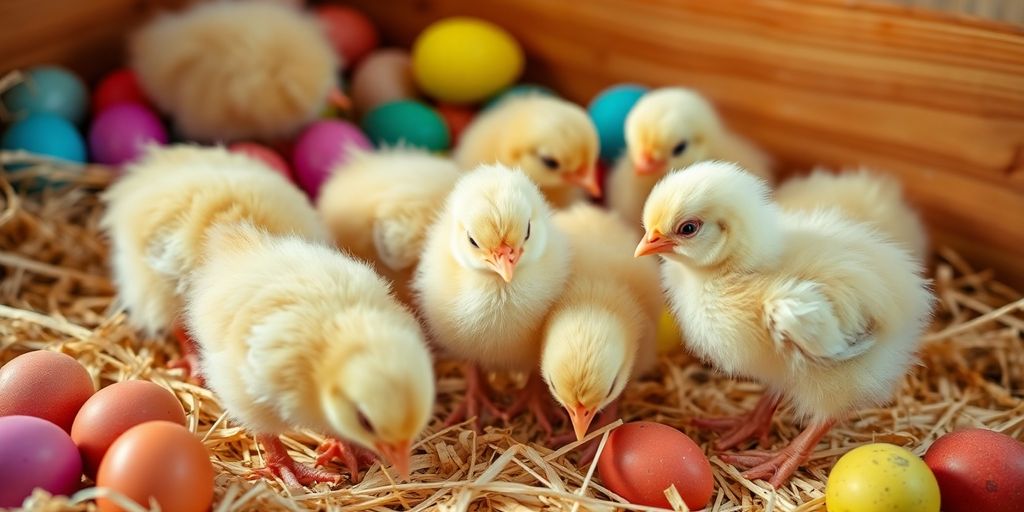
Okay, so you’ve decided to raise chicks! It’s a super rewarding experience. Watching those little fluffballs grow into egg-laying machines is pretty cool. But, it’s not without its challenges. You gotta get the setup right and pay attention to their needs, especially in the beginning.
Brooder Setup
First things first, you need a brooder. Think of it as a chick nursery. A large plastic storage bin works great, or even a kiddie pool. The important thing is that it’s draft-free and easy to clean. Line the bottom with pine shavings – avoid newspaper, as it can be slippery and cause leg problems.
Here’s a quick checklist for your brooder:
- Heat source (more on that below)
- Food and water (chick starter feed is a must)
- Clean bedding
- Enough space for them to move around
Temperature and Lighting
Temperature is critical, especially in the first few weeks. Chicks can’t regulate their own body temperature, so you have to do it for them. Start with a temperature of 95°F (35°C) directly under the heat source. You can use a heat lamp or a radiant heat plate. I prefer the plates because they’re safer and more energy-efficient. Reduce the temperature by 5°F each week until they’re fully feathered. Watch the chicks’ behavior – if they’re huddled together under the heat source, they’re too cold. If they’re spread out and panting, they’re too hot. Adjust accordingly.
Lighting is also important. Chicks need light to find food and water. A regular light bulb is fine, but make sure it’s not too bright. You want them to be able to rest. Some people use a red heat lamp, which can help reduce pecking, but I haven’t found it necessary. Make sure you have constant access to fresh water and starter feed.
Transitioning to the Coop
Once your chicks are fully feathered (around 6 weeks old), and the weather is warm enough, you can move them to the coop. Make sure the coop is secure and predator-proof. Introduce them to the coop gradually. Let them explore during the day and then put them back in the brooder at night for a few days. This will help them get used to their new home.
It’s important to remember that chicks are fragile. They need constant care and attention. But, with a little effort, you can raise healthy, happy chicks that will provide you with fresh eggs for years to come. Don’t be afraid to ask for help from experienced chicken keepers. There are plenty of resources available online and in your local community.
Understanding Egg Production
Factors Affecting Egg Laying
Okay, so you’ve got your chickens, the coop is set up, and you’re ready for a mountain of eggs, right? Well, hold on a sec. Several things can impact how many eggs your chickens actually lay. It’s not always as simple as “chicken + feed = eggs.”
- Breed: Some breeds are just egg-laying machines, while others are more like occasional contributors. Leghorns, for example, are known for their high egg production. Other breeds are more dual-purpose, meaning they’re good for both meat and eggs, but might not lay as many eggs as a dedicated layer.
- Age: Young hens (pullets) usually start laying around 6 months old. They’ll be most productive in their first couple of years. After that, egg production naturally declines. It’s just part of the aging process.
- Nutrition: Chickens need a balanced diet to lay eggs consistently. Make sure they’re getting enough protein, calcium, and other essential nutrients. A good quality layer feed is a must. Supplementing with treats is fine, but don’t overdo it, or they might not get enough of the good stuff from their feed.
- Light: Chickens need a certain amount of daylight to stimulate egg production. As the days get shorter in the fall and winter, egg laying often slows down or stops altogether. You can add supplemental lighting to the coop to keep them laying through the winter, but it’s not always necessary.
- Stress: Stress can definitely affect egg production. Things like predators, changes in the pecking order, or a dirty coop can all stress out your hens and cause them to lay fewer eggs. Try to keep their environment as calm and comfortable as possible.
It’s important to remember that every chicken is an individual. Some hens will lay more eggs than others, even within the same breed and under the same conditions. Don’t get discouraged if your chickens aren’t laying as many eggs as you expected. Just keep providing them with good care, and they’ll do their best.
Egg Collection and Storage
Collecting eggs seems simple, but there are a few things to keep in mind to keep them fresh and safe. Collect eggs daily, or even twice a day during hot weather. This prevents them from getting too hot or dirty, and reduces the risk of breakage.
Here’s a quick rundown:
- Gathering: Use a basket or egg apron to collect the eggs. Gently remove them from the nesting boxes.
- Cleaning: If the eggs are dirty, you can gently wipe them clean with a dry cloth. Avoid washing them unless absolutely necessary, as this removes the protective bloom that helps prevent bacteria from entering the egg.
- Storage: Store eggs in the refrigerator, preferably in their original carton. This helps to keep them fresh and prevents them from absorbing odors from other foods. Store with the pointed end down to keep the yolk centered.
How long do fresh eggs last? Well, properly stored eggs can last for several weeks in the refrigerator. You can usually tell if an egg is bad by doing a float test. Place the egg in a bowl of water. If it sinks and lies flat, it’s fresh. If it sinks but stands on one end, it’s still good but should be used soon. If it floats, it’s bad and should be discarded. A hen typically lays about 300 eggs annually during her prime laying period.
Signs of Healthy Hens
Knowing what a healthy hen looks like is key to spotting problems early and keeping your flock productive. Here are some things to look for:
- Bright Eyes: Healthy chickens have bright, clear eyes. Dull or cloudy eyes can be a sign of illness.
- Clean Feathers: Their feathers should be clean, smooth, and well-groomed. Ruffled or missing feathers can indicate parasites or stress.
- Alert Behavior: Healthy hens are active and alert. They should be moving around, scratching for food, and interacting with other chickens. Lethargy or isolation can be a sign of illness.
- Healthy Comb and Wattles: The comb and wattles (the fleshy parts on their head and neck) should be bright red and firm. Pale or shrunken comb and wattles can indicate illness or poor nutrition.
- Consistent Egg Laying: While egg production can fluctuate, a sudden and significant drop in egg laying can be a sign of a problem. Keep an eye on your chicken breeds and their laying habits.
If you notice any of these signs, it’s important to investigate further and take appropriate action. This might involve consulting with a veterinarian, adjusting their diet, or addressing any environmental stressors.
Maintaining A Healthy Environment
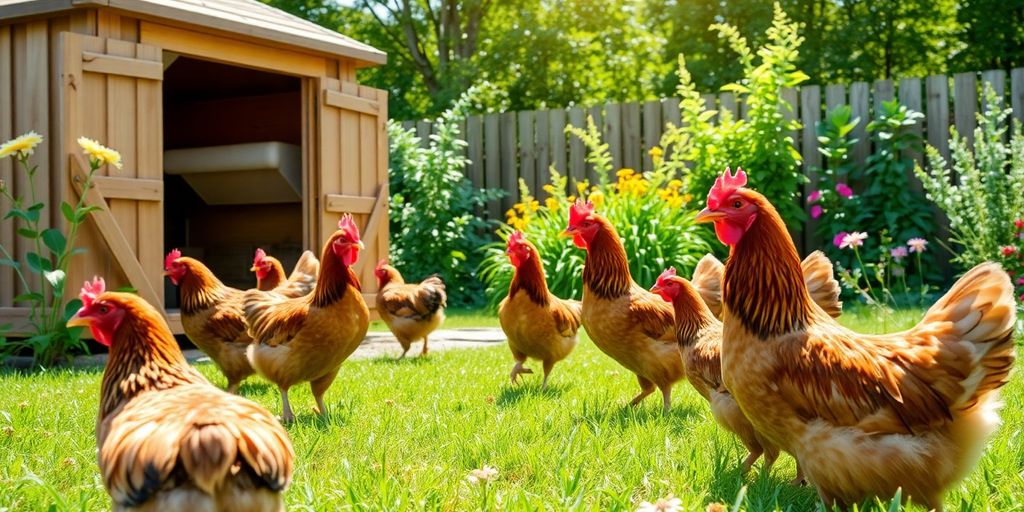
Keeping your chickens happy and healthy isn’t just about feeding them; it’s also about making sure their living space is top-notch. Think of it like this: a clean and stimulating environment leads to healthier chickens and, in turn, better egg production. It’s a win-win!
Pest Control Strategies
Pests can be a real headache, from mites and lice bothering your chickens to rodents sneaking into the feed. Here’s what I do:
- Regular Coop Inspections: I check the coop weekly for any signs of pests. Early detection is key!
- Diatomaceous Earth: This stuff is like magic. I sprinkle it around the coop and in the dust bathing areas. It’s safe for the chickens but deadly for many pests.
- Rodent Control: Keep feed stored in sealed containers and consider using traps if you have a rodent problem. I had a terrible rat infestation last year, and it was NOT fun. Now I’m super careful about feed storage.
Cleaning and Sanitation
A clean coop is a happy coop. Seriously, it makes a huge difference. I try to follow these steps:
- Daily Droppings Removal: I scoop out the droppings from under the roost every day. It only takes a few minutes and keeps things much cleaner.
- Weekly Bedding Change: I replace all the bedding in the coop once a week. Fresh bedding helps control odors and keeps the coop dry.
- Monthly Deep Clean: Once a month, I do a full scrub-down of the coop, including the walls, floor, and roosts. I use a poultry-safe disinfectant to kill any bacteria.
I’ve found that using a pressure washer (on a low setting!) makes cleaning the coop so much easier. Just make sure to let everything dry completely before putting the chickens back in.
Providing Enrichment
Chickens get bored easily, and bored chickens can start pecking at each other or stop laying eggs. Here are some ways I keep my flock entertained:
- Dust Bathing Area: Chickens need to dust bathe to keep their feathers clean and free of mites. I provide a designated area with sand and dirt.
- Perches and Swings: Chickens love to perch on things. I’ve added some old branches and a small swing to their run.
- Treats and Foraging: I scatter treats like mealworms or scratch grains in the run to encourage foraging. Sometimes I even hang a head of cabbage for them to peck at. They love it!
Harvesting Eggs Efficiently
Best Practices for Collection
Okay, so you’ve got chickens, they’re laying, now what? Getting those eggs safely and keeping them fresh is key. First off, aim to collect eggs at least once a day, but twice is better, especially in hot weather. This reduces the chance of breakage, dirty eggs, and hens deciding to eat the eggs. Use a basket or egg apron to keep your hands free.
- Collect eggs daily, or even twice a day.
- Wear gloves if you’re worried about dirtying your hands.
- Check for cracked or broken eggs and remove them immediately to prevent other hens from developing a taste for eggs.
Storing Fresh Eggs
How you store your eggs makes a big difference in how long they last. Don’t wash them right away! Eggs have a natural protective coating called the “bloom” that keeps bacteria out. Washing removes this. If they’re dirty, gently wipe them clean with a dry cloth. Store them in the fridge, blunt end up, in an egg carton. This helps keep the yolk centered and the eggs fresher longer.
- Keep eggs in their carton.
- Store in the refrigerator.
- Place with the large end up.
Storing eggs properly can significantly extend their shelf life. Freshly laid eggs can last for several weeks in the refrigerator, maintaining their quality and flavor. It’s important to handle them carefully to avoid cracking or damaging the shell, which can compromise their freshness.
Using Eggs in Cooking
Knowing how to use your fresh eggs is the best part! Fresh eggs have a richer flavor and firmer whites than store-bought eggs. They’re great for everything from baking cakes to making omelets. When using them in recipes, remember that fresh eggs can sometimes be a little harder to peel if you’re boiling them. Try adding a teaspoon of vinegar to the water to help. Also, don’t be surprised if the yolks are a deeper orange color – that’s a sign of happy, healthy hens and nutritious eggs. Here’s a quick guide to egg sizes:
| Size | Minimum Net Weight per Dozen (oz) |
|---|---|
| Jumbo | 30 |
| Extra Large | 27 |
| Large | 24 |
| Medium | 21 |
| Small | 18 |
| Peewee | 15 |
- Use older eggs for hard boiling.
- Fresh eggs are great for frying and poaching.
- Experiment with different recipes to showcase the rich flavor of your eggs.
Wrapping It Up
So, there you have it! Raising chickens for eggs can be a fun and fulfilling experience. It might seem a bit overwhelming at first, but trust me, once you get the hang of it, it’s pretty straightforward. Just remember to give your chickens a good home, plenty of space, and the right food. Whether you decide to start with chicks or buy grown hens, you’ll find joy in watching them grow and produce fresh eggs. Don’t forget to enjoy the process and learn as you go. Happy chicken-keeping!
Frequently Asked Questions
What type of chickens are best for laying eggs?
Some of the best breeds for laying eggs include Leghorns, Rhode Island Reds, and Australorps. These breeds are known for producing a lot of eggs.
How much space do chickens need in a coop?
Chickens need about 4 square feet of space per bird inside the coop and about 10 square feet per bird in an outdoor run.
What do I need to feed my chickens?
Chickens should eat a balanced diet that includes layer feed, grains, and fresh fruits and vegetables. Make sure they always have access to clean water.
How can I keep my chickens healthy?
To keep chickens healthy, provide a clean living space, regular health check-ups, and a balanced diet. It’s also important to monitor them for any signs of illness.
When do chickens start laying eggs?
Most chickens begin to lay eggs between 5 to 6 months of age, depending on the breed.
How should I store fresh eggs?
Fresh eggs can be stored in the refrigerator for up to 3 weeks. Keep them in their original carton to prevent them from absorbing strong odors.