“This post contains affiliate links. As an Amazon Associate, I earn from qualifying purchases”
Raising chickens in your backyard can be a rewarding and enjoyable experience. Not only do you get fresh eggs, but you also gain the joy of caring for these lively creatures. Whether you’re a complete beginner or have some experience, this guide will walk you through everything you need to know about how to raise chickens in your backyard successfully. From preparing your space to selecting the right breeds and managing their health, we’ve got you covered!
Key Takeaways
- Assess your backyard space and check local laws before getting chickens.
- Choose breeds that suit your needs for eggs and personality.
- Build a coop that keeps your chickens safe and comfortable.
- Provide proper nutrition and clean water for healthy chickens.
- Engage with the chicken community for support and resources.
Preparing Your Backyard For Chickens
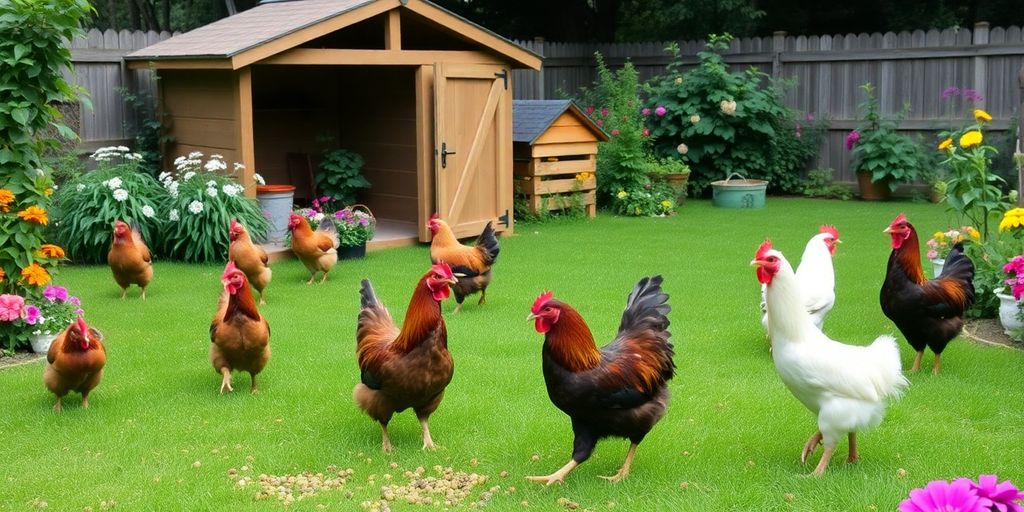
Before you even think about bringing those fluffy little chicks home, you’ve got some homework to do. It’s not just about wanting chickens; it’s about making sure your backyard is a safe and suitable place for them to thrive. Trust me, a little prep work now will save you a whole lot of headaches later.
Assessing Your Space
First things first, take a good, hard look at your backyard. How much space do you really have? Chickens need room to roam, scratch, and generally be chickens. Don’t cram them into a tiny corner; they’ll be miserable, and you’ll end up with a muddy, smelly mess. As a general rule, aim for at least 4 square feet of coop space and 8-10 square feet of run space per chicken. More is always better! Think about the layout, too. Is there enough sunlight? Is the ground relatively level? Are there any existing structures or features that could be incorporated into the chicken run?
Understanding Local Regulations
This is the not-so-fun part, but it’s absolutely crucial. Before you build anything or order any chicks, check your local ordinances and HOA rules. You might be surprised by what you find. Some areas have outright bans on backyard chickens. Others have restrictions on the number of chickens you can keep, the distance the coop must be from property lines, or even whether you can have a rooster (crowing at 5 AM might not make you popular with the neighbors!). Don’t assume anything; do your research. A quick call to your city hall or a visit to their website should give you the answers you need. It’s way better to be safe than sorry and avoid potential fines or having to rehome your flock.
Choosing the Right Location
Okay, so you’ve got the space, and you’ve checked the regulations. Now, where exactly should you put the coop? Here are a few things to consider:
- Sunlight: Chickens need sunlight, especially in the winter. Aim for a spot that gets at least a few hours of direct sunlight each day.
- Drainage: Avoid low-lying areas that tend to get waterlogged. A well-drained location will help keep the coop dry and prevent the spread of disease.
- Predator Protection: Think about potential predators in your area, like foxes, raccoons, or even neighborhood dogs. Choose a location that’s relatively secure and easy to fence off. Consider proximity to your house; the closer they are, the easier it is to keep an eye on them.
- Accessibility: You’ll need to access the coop regularly for cleaning, feeding, and egg collecting. Make sure the location is easily accessible, even in bad weather.
Remember, a little planning goes a long way. Taking the time to prepare your backyard properly will not only make your chickens happier and healthier but will also make your life as a chicken keeper much easier and more enjoyable. Don’t rush the process; do it right, and you’ll be rewarded with fresh eggs and endless entertainment for years to come.
Selecting The Right Chicken Breeds
Okay, so you’re ready to get chickens. Awesome! But hold on a sec – before you rush out and buy the first fluffy chicks you see, let’s talk about breeds. It’s not just about looks; different breeds have different personalities, laying habits, and care needs. Choosing the right breed can make a huge difference in your backyard chicken experience. I mean, you wouldn’t get a chihuahua to guard your house, right? Same logic applies here.
Popular Backyard Breeds
There are SO many chicken breeds out there, it can be overwhelming. But don’t worry, we can narrow it down. Some breeds are just more popular for backyard setups, and for good reason. They’re generally friendly, good layers, and relatively easy to care for. Orpingtons are a great choice if you want a larger, cold-hardy bird with a friendly personality.
Here are a few popular breeds to consider:
- Rhode Island Reds: These are known for being reliable egg layers. They’re pretty hardy and can handle different climates. Plus, they’re not usually too flighty, which is a bonus.
- Plymouth Rocks: Another solid choice for egg production. They’re also pretty docile and good for beginners. They come in different colors, too, so you can have some variety in your flock.
- Easter Eggers: If you want some colorful eggs in your basket, these are the chickens for you! They lay eggs in shades of blue, green, and even pink. They’re also usually pretty friendly and curious.
- Wyandottes: These are beautiful birds with laced feathers. They’re cold-hardy and decent egg layers. They can be a bit more independent than some other breeds, but they’re still a good option for backyard flocks.
- Araucana: If you want to explore chicken breeds that lay blue eggs, this is your bird. They are also known for their unique tufts of feathers near their ears.
Considerations for Egg Production
Let’s be real, most people get chickens for the eggs. So, egg production is a big factor to consider. Some breeds are egg-laying machines, while others are more laid-back (pun intended!).
Here’s a general idea of what to expect:
| Breed | Average Eggs Per Year | Egg Color | Notes > Keep in mind that egg production can also be affected by factors like age, diet, and overall health. Older hens lay fewer eggs, and chickens need a balanced diet to produce quality eggs. Also, egg production slows during the winter months.
Temperament and Care Needs
Beyond eggs, think about what kind of chickens you want to hang out with. Some breeds are super friendly and love to be petted, while others are more independent and prefer to do their own thing. Also, consider your climate and how much space you have. Some breeds are better suited for cold weather, while others need more room to roam.
Here are some things to consider:
- Temperament: Do you want chickens that will follow you around the yard and beg for treats? Or are you okay with more aloof birds? If you have kids, you’ll probably want a friendlier breed.
- Climate: If you live in a cold area, choose cold-hardy breeds like Wyandottes or Orpingtons. If you live in a hot area, look for heat-tolerant breeds like Leghorns or White Faced Black Spanish.
- Space: Some breeds are active foragers and need a lot of space to roam. Others are content to stay in a smaller area. Make sure you have enough space for the breed you choose.
- Broodiness: If you want to hatch your own chicks, choose a broody breed like Silkies or Cochins. Broody hens are more likely to sit on their eggs and hatch them. Hybrid breeds may have had their “broodiness” bred out of them.
Choosing the right chicken breed is a big decision, but it’s also a fun one. Do your research, think about what you want from your flock, and enjoy the process! You’ll be rewarded with fresh eggs and some feathered friends in no time.
Building A Safe And Comfortable Coop
Essential Coop Features
Okay, so you’re ready to build a coop. Awesome! The coop is basically your chickens’ house, so you want it to be safe, comfortable, and functional. Think of it as a tiny fortress against the elements and predators. Here’s what you absolutely need:
- Nesting Boxes: These are where your hens will lay their eggs. Aim for about one nest box for every three hens. They like a cozy, private spot.
- Roosts: Chickens naturally want to roost off the ground at night. Provide roosting bars or platforms. Make sure they’re easy to access and clean.
- Ventilation: Good airflow is key to preventing moisture buildup and respiratory problems. But avoid drafts! You want air circulating, not blowing directly on your birds.
- Secure Doors and Windows: This is non-negotiable. Predators are everywhere. Make sure everything is latched and secure. Use strong wire mesh to cover any openings.
Designing For Comfort and Safety
Comfort and safety go hand in hand. A happy chicken is a healthy chicken, and a safe chicken is… well, still alive. Here’s how to design your coop with their well-being in mind:
- Space: Don’t overcrowd your chickens. They need room to move around, scratch, and socialize. A good rule of thumb is at least 4 square feet per bird inside the coop and 10 square feet per bird in the outdoor run.
- Protection from the Elements: The coop should provide shelter from rain, snow, wind, and sun. Overhangs, solid walls, and a good roof are essential.
- Predator-Proofing: This is worth repeating. Use heavy-duty hardware cloth (not chicken wire, which is flimsy) to enclose the run. Bury the wire a foot or so deep to prevent digging predators. Consider an automatic predator-proof door for extra security.
Building a coop can seem daunting, but it’s totally doable. Start with a solid plan, gather your materials, and don’t be afraid to ask for help. There are tons of resources online and in your local community. And remember, a little extra effort upfront will pay off in happy, healthy chickens for years to come.
Maintaining Cleanliness
A clean coop is a healthy coop. Chicken poop happens, but you can minimize the mess and prevent disease by following these tips:
- Regular Cleaning: Remove soiled bedding and droppings regularly. How often depends on the size of your coop and the number of chickens, but aim for at least once a week.
- Droppings Board: Place a board under the roosts to catch droppings overnight. This makes cleanup much easier.
- Proper Bedding: Use absorbent bedding materials like straw, wood shavings, or shredded paper. Avoid cedar shavings, which can be harmful to chickens.
- Ventilation: Again, good ventilation helps to keep the coop dry and reduce ammonia buildup from droppings. This is important for chicken health.
Feeding And Caring For Your Chickens
Understanding Chicken Nutrition
Okay, so you’ve got chickens. Now what do you feed them? It’s not just about tossing them any old scraps. Proper nutrition is key to healthy chickens and good egg production. Think of it like this: you wouldn’t eat junk food all day and expect to feel great, right? Same goes for your feathered friends. They need a balanced diet of protein, carbohydrates, vitamins, and minerals.
- Starter Feed (0-8 weeks): High in protein to support rapid growth.
- Grower Feed (8-20 weeks): A bit less protein, focusing on overall development.
- Layer Feed (20+ weeks): Added calcium for strong eggshells.
Don’t skimp on the good stuff! Quality feed makes a difference. Look for reputable brands and check the ingredient list. Avoid feeds with a lot of fillers or artificial additives. Your chickens will thank you for it with plenty of delicious eggs.
Setting Up Feeding Stations
Alright, so you know what to feed them, but how do you actually get the food to the chickens? You have a few options here, and it really depends on your setup and preferences. The goal is to minimize waste, keep the food clean, and make sure all your chickens have access. A wooden chicken coop must have a feeder.
- Hanging Feeders: These are great because they keep the food off the ground, reducing the risk of contamination. Plus, they can help prevent rodents from getting into the feed.
- Trough Feeders: Simple and straightforward, but they can be prone to chickens scratching food out and making a mess.
- Automatic Feeders: If you’re super busy, these can be a lifesaver. You fill them up, and they dispense food at set times.
| Feeder Type | Pros | Cons |
|---|---|---|
| Hanging Feeder | Clean, reduces waste, rodent-resistant | Can be difficult to fill, may swing around |
| Trough Feeder | Simple, inexpensive | Messy, prone to contamination |
| Automatic Feeder | Convenient, saves time | Can be expensive, requires power source |
Watering Needs and Maintenance
Water is just as important as food, maybe even more so. Chickens need constant access to fresh, clean water. Think about it: they’re laying eggs, which are mostly water! So, keeping them hydrated is crucial for their health and egg production. Make sure to wash out the water before refilling it. A poultry drinker is a must-have.
- Waterers: Just like feeders, waterers come in different styles. You can get hanging waterers, ground waterers, or even automatic ones.
- Placement: Put the waterer in a shady spot to keep the water cool, especially during the summer.
- Cleaning: Clean the waterer regularly to prevent algae and bacteria growth. Nobody wants to drink dirty water, and neither do your chickens!
Managing Chicken Health And Wellness
Common Health Issues
Okay, so your chickens seem happy and healthy, pecking around and doing their chicken thing. But just like any animal, they can get sick. Knowing what to look for is half the battle. Some common issues include:
- Respiratory problems: Think sneezing, coughing, and discharge from the eyes or nose. These can be caused by things like ammonia buildup in the coop or infections.
- Parasites: Mites, lice, and worms are all common. You might notice your chickens scratching a lot, losing feathers, or having pale combs.
- Digestive issues: Diarrhea or changes in their droppings can signal problems. This could be from a change in diet, infection, or parasites.
- Injuries: Chickens can get hurt, especially if they’re free-ranging. Check for cuts, bruises, or limping.
It’s a good idea to have a chicken first-aid kit on hand with things like antiseptic spray, wound care supplies, and electrolyte supplements. And, of course, find a vet who knows about chickens before you need one. Not all vets are chicken experts!
Preventative Care Practices
Prevention is way easier than dealing with sick chickens, trust me. Here’s what I do to keep my flock healthy:
- Keep the coop clean: This is huge. Regular cleaning reduces the risk of disease and parasites. I try to clean mine out weekly.
- Provide good nutrition: A balanced diet is key for a strong immune system. Make sure they’re getting the right chicken feed for their age and laying status.
- Reduce stress: Stress can weaken their immune systems. Make sure they have enough space, access to sunlight, and protection from predators.
- Quarantine new birds: If you’re adding new chickens to your flock, keep them separate for a few weeks to make sure they’re not carrying any diseases.
Vaccination and Biosecurity
Vaccinations? For chickens? Yep, it’s a thing. Depending on where you live and the diseases that are common in your area, you might want to consider vaccinating your chickens. Talk to your vet about what’s recommended. Also, biosecurity is important. This basically means taking steps to prevent diseases from getting into your flock. Here are some tips:
- Control visitors: Limit who comes into contact with your chickens, and make sure anyone who does washes their hands and wears clean shoes.
- Clean equipment: Disinfect feeders, waterers, and other equipment regularly.
- Monitor your flock: Keep a close eye on your chickens for any signs of illness. The sooner you catch something, the easier it is to treat.
Maintaining good hygiene is important because chickens carry bacteria that can make people sick. You can learn more about the types of bacteria chickens carry and how to reduce your risk of illness from backyard chickens.
Collecting Eggs And Encouraging Laying
Nesting Box Setup
Okay, so you want eggs, right? It all starts with the nesting boxes. Don’t overthink it. Think cozy and private. You want your hens to feel safe and secure when they’re laying. A good rule of thumb is one nesting box for every four to five hens. Make sure they’re in a quiet, darker part of the coop. Hens prefer that. Line them with soft bedding like straw or wood shavings. Change the bedding regularly to keep things clean and fresh. Nobody wants to lay eggs in a dirty box!
- Use nesting boxes that are approximately 12x12x12 inches.
- Place the boxes about 1-2 feet off the ground.
- Keep the nesting material clean and dry.
Understanding Laying Cycles
Chickens don’t just lay eggs non-stop, unfortunately. There are laying cycles. Most hens lay the most eggs during their first year or two. After that, production naturally declines. Molting, when chickens lose and regrow their feathers, also affects laying. During a molt, they usually stop laying altogether. Daylight hours are a big factor too. Hens need about 14-16 hours of light a day to lay consistently. That’s why egg production often slows down in the winter. You can supplement with artificial light if you want to keep those eggs coming. Also, stress can impact laying. Keep your chickens happy and healthy, and they’ll reward you with more eggs. Understanding these cycles helps you manage expectations and adjust care accordingly.
It’s important to remember that each hen is an individual. Some will be prolific layers, while others will be more laid-back. Don’t compare them too much; just provide the best possible environment and let them do their thing.
Best Practices for Egg Collection
Collecting eggs is the fun part! Gather eggs daily, preferably in the morning. This reduces the chance of breakage or the hens deciding to snack on them. Use a basket or egg carton to collect them. Handle the eggs gently to avoid cracking. Store the eggs in the refrigerator, pointy end down. This helps keep them fresh longer. Wash the eggs only if they’re visibly dirty. Washing removes the protective bloom, which can shorten their shelf life. If you have a broody hen (one that wants to hatch eggs), you might need to collect eggs more frequently to discourage her from sitting on them. Regular egg collection processes keeps your hens laying and your fridge stocked!
Here’s a quick guide to egg storage:
| Condition | Storage Method | Shelf Life |
|---|---|---|
| Unwashed, Room Temp | On the counter | Few days |
| Unwashed, Refrigerated | In the fridge | 3-4 weeks |
| Washed, Refrigerated | In the fridge | 2-3 weeks |
Engaging With The Chicken Community
Finding Local Resources
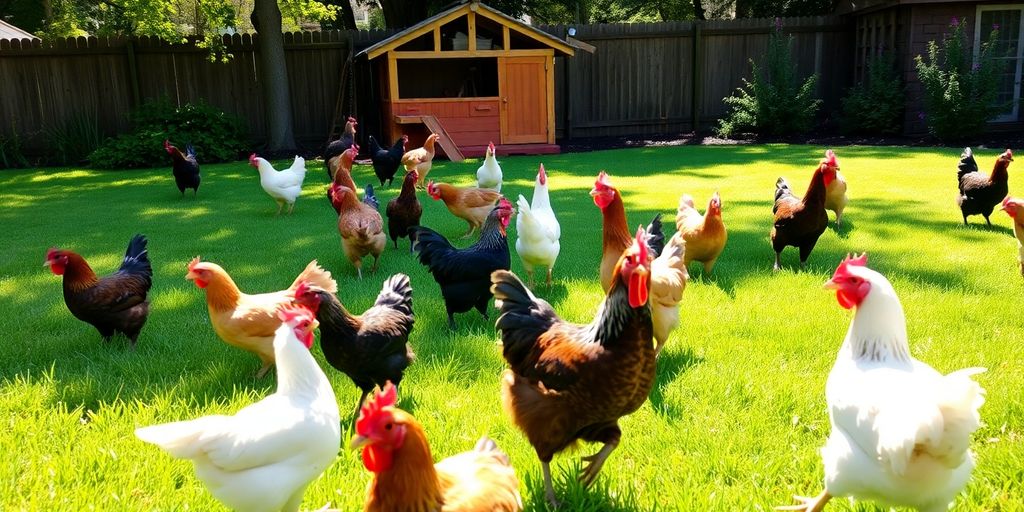
Raising chickens doesn’t have to be a solo adventure! Tapping into local resources can make a huge difference, especially when you’re just starting out. Local feed stores are goldmines of information. The staff can offer advice on everything from the best feed for your breed to solutions for common chicken ailments. Plus, they often carry specialized equipment and supplies you might not find elsewhere.
- Connect with local farmers. They might have chicks for sale or be willing to share their expertise.
- Check for local agricultural extension offices. They often host workshops and provide resources on poultry care.
- Attend local farmers’ markets. It’s a great way to meet other chicken keepers and learn about their experiences.
Getting involved locally can provide support and knowledge tailored to your specific climate and region. It’s about building relationships and learning from those who’ve already navigated the challenges of backyard chicken keeping in your area.
Joining Online Forums
In today’s digital age, online forums are a fantastic way to connect with chicken enthusiasts from all over. These platforms offer a wealth of information, from troubleshooting health issues to sharing tips on coop design. Online forums can be a great way to learn about keeping backyard chickens.
- Benefit from shared experiences: Learn from the successes and mistakes of others.
- Get quick answers: Post questions and receive advice from experienced keepers.
- Discover new ideas: Explore different approaches to chicken care and management.
Participating in Chicken Shows and Events
Chicken shows and events might sound a bit intimidating, but they’re actually a lot of fun and a great way to learn more about different breeds and best practices. Even if you don’t plan on showing your chickens, attending these events can be incredibly educational. You’ll see a wide variety of breeds up close, learn about judging criteria, and network with breeders and other enthusiasts. Plus, many events feature workshops and demonstrations on topics like poultry health, coop building, and egg production. It’s a chance to immerse yourself in the world of chickens and gain valuable knowledge. Consider attending a chicken show to learn more about different breeds.
- Learn about breed standards and judging criteria.
- Network with breeders and other enthusiasts.
- Attend workshops and demonstrations on poultry care.
Wrapping It Up
So there you have it! Raising chickens in your backyard can be a fun and rewarding experience. Just remember to plan ahead, keep things clean, and give your birds the care they need. Whether you’re in it for the fresh eggs or just to enjoy their quirky personalities, you’ll find that chickens can bring a lot of joy to your life. Don’t hesitate to reach out to fellow chicken keepers if you hit any bumps along the way. With a little patience and effort, you’ll be well on your way to having a happy flock!
Frequently Asked Questions
How much space do I need for my chickens?
Each chicken needs about 4 square feet of space inside the coop and 10 square feet in the outdoor run.
What should I feed my chickens?
Chickens need a balanced diet, which includes layer feed, grains, and fresh fruits and vegetables.
How can I keep my chickens safe from predators?
Make sure your coop is secure with strong locks and fencing. Consider using hardware cloth instead of chicken wire.
How often should I clean the coop?
You should clean the coop at least once a week to keep it healthy and odor-free.
What are the signs of a sick chicken?
Look for signs like lethargy, not eating, abnormal droppings, or changes in behavior.
Can I raise chickens in a small backyard?
Yes, you can raise chickens in a small backyard as long as you follow local laws and provide enough space for them.